
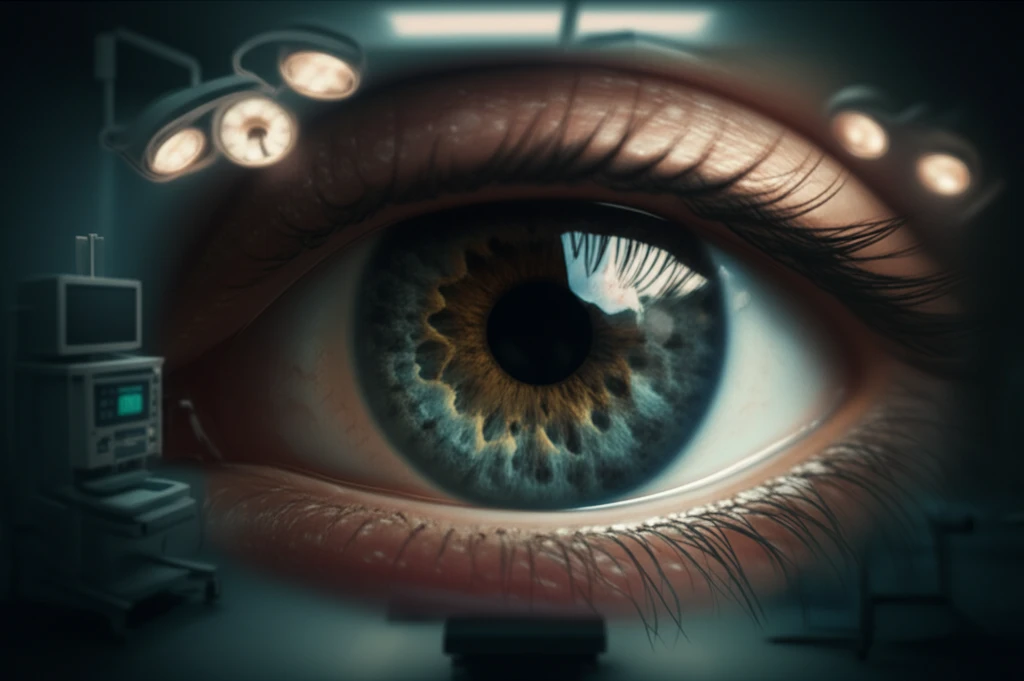
Illustration of an eye experiencing diplopia, representing a common side effect after glaucoma surgery.

Blurred Vision After Glaucoma Surgery? Unpacking Diplopia and Motility Changes

"Understanding the Causes and Impact of Vision Disturbances Following Glaucoma Procedures"


Glaucoma, a condition that silently steals sight, often necessitates surgical intervention to preserve vision. While these procedures aim to alleviate pressure and prevent further damage, they sometimes come with unexpected side effects. One such complication is diplopia, or double vision, which can significantly impact a patient's quality of life.

Recent research has shed light on the intricacies of eye movement changes and the occurrence of diplopia following glaucoma surgeries like Baerveldt glaucoma implant (BGI) and trabeculectomy (TE). This article will explore these findings, offering a comprehensive understanding of the challenges patients may face.

This article is intended for individuals interested in understanding potential visual side effects of glaucoma surgery. Whether you are a patient, a caregiver, or simply curious about the science behind eye health, this article provides valuable insights into the complexities of vision and recovery.

Why Does Double Vision Happen After Glaucoma Surgery?

Illustration of an eye experiencing diplopia, representing a common side effect after glaucoma surgery.

The eye is an incredible organ, relying on a symphony of muscles and nerves to produce clear, single vision. During glaucoma surgery, particularly with devices like the BGI, the delicate balance of these systems can be disrupted. The BGI, a drainage device, is implanted to help lower eye pressure, but its placement and the subsequent healing process can affect the muscles controlling eye movement.

Researchers have identified several key factors that contribute to diplopia after glaucoma surgery. These include changes in the way the eyes move (motility), alterations in the alignment of the eyes, and a reduction in the visual field. Furthermore, the impact can be greater with certain types of surgical procedures compared to others.

  • Motility Disturbances: The most common reason. Issues can affect the smooth, coordinated movement of the eyes.
  • Ocular Misalignment: Shifts in eye alignment can cause images to fall on non-corresponding parts of the retina.
  • Fusion Range Reduction: This reduces the eye’s ability to compensate for minor misalignments, leading to double vision.
  • Visual Field Loss: A loss can disrupt the brain’s ability to combine images, increasing the risk of diplopia.
It's important to understand that these changes can manifest differently in each individual. Some patients experience temporary double vision, while others may have persistent symptoms that require ongoing management.

Navigating Post-Surgery Vision Changes

Diplopia after glaucoma surgery can be a challenging experience. Early detection and management are crucial. If you're experiencing double vision after surgery, it's essential to discuss your symptoms with your ophthalmologist. They can evaluate your condition, identify potential causes, and recommend appropriate treatment options. These may include vision therapy, prism glasses, or in rare cases, additional surgical interventions.

About this Article -

This article was crafted using a human-AI hybrid and collaborative approach. AI assisted our team with initial drafting, research insights, identifying key questions, and image generation. Our human editors guided topic selection, defined the angle, structured the content, ensured factual accuracy and relevance, refined the tone, and conducted thorough editing to deliver helpful, high-quality information.See our About page for more information.

This article is based on research published under:

DOI-LINK: 10.1167/tvst.7.5.7, Alternate LINK

Title: Motility Changes And Diplopia After Baerveldt Glaucoma Drainage Device Implantation Or After Trabeculectomy

Subject: Ophthalmology

Journal: Translational Vision Science & Technology

Publisher: Association for Research in Vision and Ophthalmology (ARVO)

Authors: Esma Islamaj, Caroline P. Jordaan-Kuip, Koen A. Vermeer, Hans G. Lemij, Peter W.T. De Waard

Published: 2018-09-13

Everything You Need To Know

1

What is diplopia and why is it a concern after glaucoma surgery?

Diplopia, commonly known as double vision, occurs when the eyes send two different images to the brain, resulting in a perception of seeing two images of a single object. It's a concern after glaucoma surgery because procedures like Baerveldt glaucoma implant (BGI) and trabeculectomy (TE) can disrupt the delicate balance of eye muscles and nerves, leading to ocular misalignment, motility disturbances and fusion range reduction, thereby significantly impacting a patient's quality of life. Though visual field loss can disrupt the brain’s ability to combine images, increasing the risk of diplopia. Addressing diplopia early is essential to improve patient comfort and visual function.

2

What are the primary causes of double vision following glaucoma surgery, and how do procedures like Baerveldt glaucoma implant (BGI) contribute?

Double vision after glaucoma surgery arises due to several factors affecting eye movement and alignment. Motility disturbances, or issues with the smooth, coordinated movement of the eyes, are the most common reason. Ocular misalignment causes images to fall on non-corresponding parts of the retina, while a reduction in fusion range impairs the eye’s ability to compensate for minor misalignments. The Baerveldt glaucoma implant (BGI), used to lower eye pressure, can disrupt the extraocular muscles or their nerve supply during placement or healing. This disruption, combined with visual field loss that affects the brain's image processing, collectively contributes to diplopia.

3

If I experience double vision after glaucoma surgery, what steps should I take to manage this condition effectively?

If you experience double vision following glaucoma surgery, prompt action is important. First, consult your ophthalmologist to discuss your symptoms and undergo a thorough evaluation. Your ophthalmologist can identify the underlying cause of the diplopia and recommend appropriate management strategies. Treatment options may include vision therapy to improve eye coordination, prism glasses to correct image alignment, or, in some cases, additional surgical interventions to address persistent issues related to procedures like Baerveldt glaucoma implant (BGI) or trabeculectomy (TE). Early detection and tailored management are crucial for a positive outcome.

4

How do motility disturbances, ocular misalignment, and fusion range reduction individually contribute to diplopia after glaucoma surgery, and what are their implications for visual perception?

Motility disturbances disrupt the coordinated movement of the eyes, preventing them from focusing on the same point simultaneously. Ocular misalignment causes images to fall on non-corresponding areas of the retina, resulting in the brain receiving two distinct images. Fusion range reduction diminishes the eyes' ability to compensate for minor misalignments, further exacerbating double vision. These factors, compounded by visual field loss, disrupt the brain's ability to merge images into a single, clear perception. Each contributes uniquely to the experience of diplopia, impacting depth perception, spatial orientation, and overall visual comfort, especially following procedures like Baerveldt glaucoma implant (BGI) or trabeculectomy (TE).

5

Can visual field loss from glaucoma itself exacerbate diplopia after glaucoma surgery, and if so, how does this affect treatment strategies?

Yes, visual field loss resulting from glaucoma can exacerbate diplopia after glaucoma surgery. When there is existing visual field loss, the brain's ability to effectively combine the images from both eyes is compromised. This means that even minor misalignments or motility disturbances that might otherwise be compensated for can lead to noticeable double vision. In such cases, treatment strategies need to consider both the correction of the misalignment (with prisms or surgery) and the potential impact of the pre-existing visual field loss. The management of diplopia needs to be tailored to the individual's specific visual deficits, accounting for factors related to procedures like Baerveldt glaucoma implant (BGI) or trabeculectomy (TE).

Newsletter Subscribe

Subscribe to get the latest articles and insights directly in your inbox.