
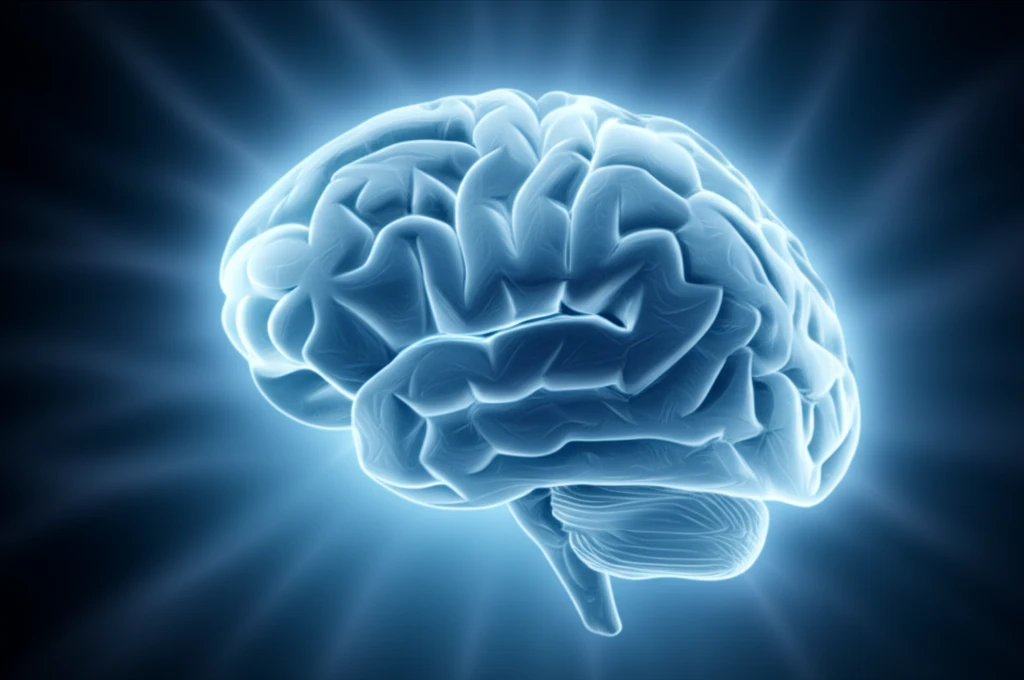
Brain protected by calming blue light, symbolizing lithium's neuroprotective effects in treating bipolar disorder.

Bipolar Disorder Treatment: New Insights and Effective Strategies

"Exploring classic and new agents, addressing comorbidities, and navigating treatment-resistant depression for comprehensive care."


Affective disorders, including bipolar disorder, present a significant global health challenge. While the range of available medications has expanded, achieving remission remains a hurdle for many individuals. This article delves into current research and treatment approaches for bipolar disorder, drawing on insights from recent studies.

Bipolar disorder is commonly managed with traditional mood stabilizers such as lithium, valproic acid (VPA), and carbamazepine. Lithium, in particular, remains a primary option for many clinicians due to its prophylactic benefits, long-term mood stabilization, and potential to reduce suicidal thoughts. Beyond its mood-stabilizing effects, lithium's neuroprotective properties are increasingly recognized as vital for long-term patient stability and enhanced quality of life.

This article will explore the role of lithium in preserving brain structure and neuronal function, based on findings from current psychopharmacology. Additionally, it will address the complexities of managing comorbidities, such as obsessive-compulsive disorder (OCD), which can affect treatment outcomes. Finally, the challenges of treatment-resistant depression within the context of bipolar disorder will be discussed, along with potential augmentation strategies.

Lithium: The Gold Standard and Neuroprotective Agent

Brain protected by calming blue light, symbolizing lithium's neuroprotective effects in treating bipolar disorder.

Lithium has long been a cornerstone in the treatment of bipolar disorder, celebrated for its mood-stabilizing and prophylactic effects. Recent research underscores its potential neuroprotective qualities, which can significantly enhance a patient's long-term well-being. The ability of lithium to preserve brain structure and neuronal function is a crucial factor in maintaining both clinical stability and overall quality of life.

A study highlighted in Current Psychopharmacology examines the mechanisms through which lithium may slow the progression of neurocognitive impairment in bipolar disorder patients. This suggests that lithium could offer benefits beyond just managing mood swings, potentially safeguarding cognitive abilities over time.

  • Mood Stabilization: Effectively manages manic and depressive episodes.
  • Prophylactic Effect: Prevents or reduces the severity of future episodes.
  • Neuroprotection: Preserves brain structure and neuronal function.
  • Suicide Risk Reduction: Decreases suicidal thoughts and behaviors.
Despite its benefits, lithium is not without challenges. Careful monitoring is required to manage potential side effects, and it may not be suitable for all patients. However, for many, lithium remains an essential part of their treatment plan, providing a foundation for stability and improved quality of life.

Improving Outcomes in Affective Disorders: A Holistic Approach

The treatment of affective disorders requires a comprehensive approach that addresses not only the primary symptoms of bipolar disorder but also any co-occurring conditions and individual patient needs. By staying informed about the latest research and treatment options, clinicians can work with their patients to develop personalized strategies that promote stability, improve quality of life, and foster long-term well-being. The ongoing effort to refine and expand our therapeutic toolkit is essential to meeting the complex challenges of bipolar disorder.

About this Article -

This article was crafted using a human-AI hybrid and collaborative approach. AI assisted our team with initial drafting, research insights, identifying key questions, and image generation. Our human editors guided topic selection, defined the angle, structured the content, ensured factual accuracy and relevance, refined the tone, and conducted thorough editing to deliver helpful, high-quality information.See our About page for more information.

Everything You Need To Know

1

What medications are commonly used to treat bipolar disorder, and what benefits do they provide?

Bipolar disorder is often treated using mood stabilizers like lithium, valproic acid (VPA), and carbamazepine. Lithium is frequently chosen for its ability to stabilize mood over the long term and potentially reduce suicidal thoughts. It’s also valued for its neuroprotective qualities, which are increasingly seen as important for long-term patient stability and better quality of life. Lithium helps in preserving brain structure and neuronal function, which is crucial for both clinical stability and overall well-being.

2

Why is lithium considered a gold standard and what makes it so important in treating bipolar disorder?

Lithium is significant because it not only stabilizes mood and prevents future episodes but also has neuroprotective effects, which can slow down neurocognitive impairment in bipolar disorder patients. This means lithium might help protect cognitive abilities over time, beyond just managing mood swings. However, lithium requires careful monitoring due to potential side effects and may not be suitable for every patient, making personalized treatment strategies essential.

3

What does neuroprotection mean, and why is it important in the context of bipolar disorder?

Neuroprotection refers to the ability of certain treatments, like lithium, to preserve brain structure and neuronal function. This is significant in bipolar disorder because it can potentially slow the progression of neurocognitive impairment and safeguard cognitive abilities over time. The implications of neuroprotection are profound, suggesting that treatments can offer benefits beyond just managing mood swings, contributing to long-term well-being and stability.

4

What are comorbidities, and why is it important to manage them when treating bipolar disorder?

Comorbidities are co-occurring conditions, such as obsessive-compulsive disorder (OCD), that can complicate the treatment of bipolar disorder. Managing comorbidities is important because they can affect treatment outcomes and overall patient well-being. Addressing these conditions requires a comprehensive approach to ensure that all aspects of a patient's health are considered and managed effectively, leading to improved stability and quality of life.

5

What does treatment-resistant depression mean in bipolar disorder, and why is it a challenge?

Treatment-resistant depression in the context of bipolar disorder refers to cases where depressive episodes do not respond to standard treatments. This is a significant challenge because it requires the exploration of augmentation strategies, or add-on treatments, to enhance the effectiveness of the primary therapy. Addressing treatment-resistant depression is crucial for improving patient stability and quality of life, often necessitating a personalized and adaptable treatment approach.

Newsletter Subscribe

Subscribe to get the latest articles and insights directly in your inbox.