
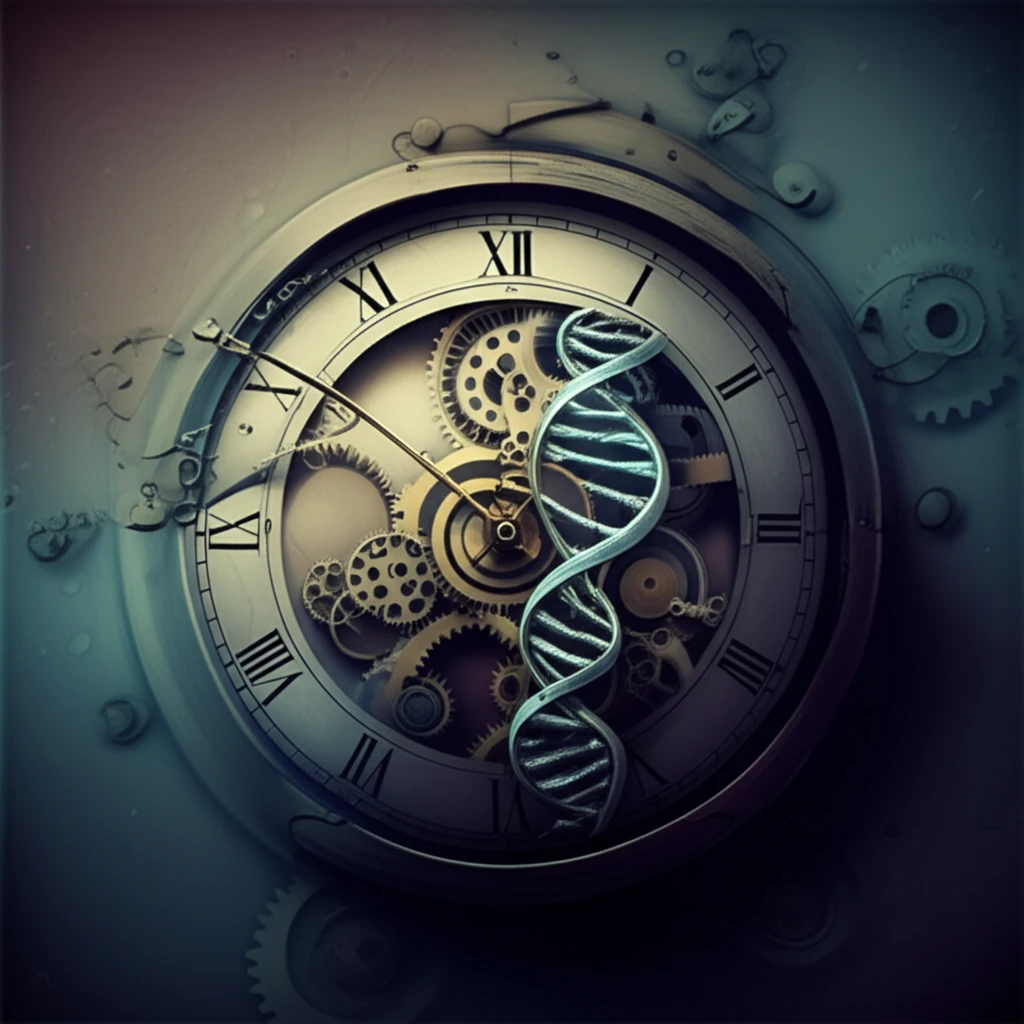
A surreal illustration of a biological clock intertwined with DNA, symbolizing the link between circadian rhythms and genetics.

Bipolar Disorder and Your Body Clock: Unlocking the Genetic Connection

"Could a single gene hold the key to understanding and managing bipolar disorder? New research explores the link between CSNK1E and circadian rhythms."


Bipolar disorder is a complex mental health condition characterized by significant shifts in mood, energy, and activity levels. While the exact causes of bipolar disorder are still being investigated, researchers increasingly recognize the importance of circadian rhythms—your body's internal clock—in the development and management of this condition.

Think of your circadian rhythm as a 24-hour cycle that regulates sleep-wake patterns, hormone release, body temperature, and other important bodily functions. Disruptions to this rhythm can significantly impact mood and overall well-being. People with bipolar disorder often experience disturbances in their circadian rhythms, including difficulty sleeping, changes in appetite, and variations in their daily routines. These disruptions can trigger or worsen mood episodes.

Now, a fascinating new study is shedding light on the genetic connection between bipolar disorder and circadian rhythms. The research focuses on a specific gene called CSNK1E, which plays a vital role in regulating our internal clock. By examining the genetic variations within CSNK1E, scientists hope to uncover new insights into the causes of bipolar disorder and pave the way for more effective treatments.

CSNK1E: The Gene That Ticks With Bipolar Disorder?

A surreal illustration of a biological clock intertwined with DNA, symbolizing the link between circadian rhythms and genetics.

The study, conducted by Kyu Young Lee, Yong Min Ahn, and colleagues, investigated the association between CSNK1E gene variants and bipolar disorder in a Korean population. The researchers compared the genetic makeup of 215 individuals with bipolar disorder to that of 773 healthy controls. They specifically looked at two single-nucleotide polymorphisms (SNPs), which are variations in a single DNA building block, within the CSNK1E gene: rs1534891 and rs2075984.

What makes CSNK1E so interesting? It's a key player in the clock gene family, influencing the PER and CRY proteins, which are crucial for maintaining a stable biological clock. Because disturbances in circadian rhythms are so common in bipolar disorder, researchers have long suspected that variations in clock genes like CSNK1E could contribute to the condition.

  • rs1534891: Did not show a significant association with bipolar disorder in the Korean sample.
  • rs2075984: Showed a significant positive association with bipolar disorder, meaning that individuals with this specific variant were more likely to have bipolar disorder.
  • Haplotype Analysis: Revealed a significant association between specific combinations of these SNPs (haplotypes) and bipolar disorder.
Interestingly, the researchers also explored whether these CSNK1E variants were associated with an individual's chronotype—whether they were a "morning person" or an "evening person," as measured by the Composite Scale of Morningness (CS). However, they found no significant link between the CSNK1E variants and chronotype in their study sample. This suggests that while CSNK1E may play a role in bipolar disorder, it might not directly influence an individual's preference for morning or evening activity.

What Does This Mean for You?

This study offers valuable insights into the complex interplay between genetics, circadian rhythms, and bipolar disorder. While more research is needed to fully understand the role of CSNK1E, these findings suggest that this gene could be a potential target for future therapies. For individuals with bipolar disorder, maintaining a stable circadian rhythm through consistent sleep schedules, light exposure, and other lifestyle adjustments may help manage mood episodes. If you're concerned about bipolar disorder or circadian rhythm disturbances, talk to your healthcare provider for personalized advice and treatment options.

About this Article -

This article was crafted using a human-AI hybrid and collaborative approach. AI assisted our team with initial drafting, research insights, identifying key questions, and image generation. Our human editors guided topic selection, defined the angle, structured the content, ensured factual accuracy and relevance, refined the tone, and conducted thorough editing to deliver helpful, high-quality information.See our About page for more information.

Everything You Need To Know

1

What exactly is bipolar disorder?

Bipolar disorder is a complex mental health condition marked by notable changes in mood, energy, and activity levels. These shifts can be unpredictable and significantly impact daily life. The research highlights the importance of understanding these fluctuations, as disruptions in circadian rhythms can trigger or worsen mood episodes, making it a central focus for research.

2

What is a circadian rhythm?

The circadian rhythm is your body's internal clock, a roughly 24-hour cycle governing sleep-wake patterns, hormone release, and body temperature. Disruptions to this rhythm can significantly impact mood and overall well-being. The study specifically links disruptions in this internal clock to the development and management of bipolar disorder, emphasizing the importance of maintaining a stable rhythm to manage mood episodes.

3

What is the role of the CSNK1E gene?

CSNK1E is a gene that plays a vital role in regulating our internal clock. It's a key player in the clock gene family, influencing the PER and CRY proteins, which are crucial for maintaining a stable biological clock. Research has explored the link between variations in the CSNK1E gene and bipolar disorder, finding that specific variants, such as rs2075984, are associated with a higher likelihood of having bipolar disorder. This association suggests that CSNK1E could be a potential target for future therapies.

4

What are single-nucleotide polymorphisms (SNPs)?

Single-nucleotide polymorphisms (SNPs) are variations in a single DNA building block. The study examined two SNPs within the CSNK1E gene: rs1534891 and rs2075984. The rs2075984 showed a significant positive association with bipolar disorder. This means that individuals with this specific variant were more likely to have bipolar disorder. This connection helps scientists to better understand the genetic basis of bipolar disorder.

5

How does chronotype relate to this research?

The Composite Scale of Morningness (CS) measures an individual's preference for morning or evening activity. The research found no significant link between the CSNK1E variants and chronotype in their study sample. While CSNK1E may play a role in bipolar disorder, it might not directly influence an individual's preference for morning or evening activity. This study offers valuable insights into the complex interplay between genetics, circadian rhythms, and bipolar disorder.

Newsletter Subscribe

Subscribe to get the latest articles and insights directly in your inbox.