
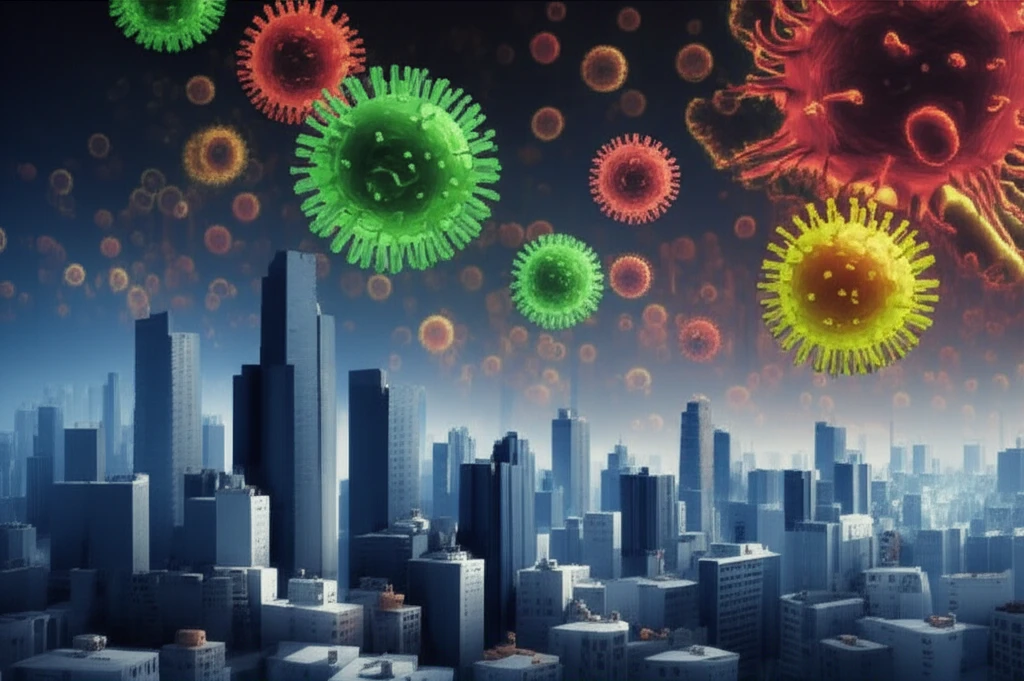
Surreal illustration of a city threatened by microscopic pathogens, symbolizing bioterrorism.

Bioterrorism: Understanding the Risks and Preparing for Biological Threats

"Explore the history, risks, and necessary biosecurity measures for bioterrorism in Brazil and worldwide, and learn how to protect yourself and your community."


Throughout history, pathogens have been exploited as potential weapons. Modern warfare sees the development of sophisticated projects, including biological weapons linked to coercive programs often termed biological warfare. These belong to a logic of asymmetric threat, creating devastating economic, political, and socio-psychological consequences without defining territory.

Such threats necessitate comprehensive risk management, including training personnel, investing in identifying materials used in bioterrorism, and securing safety equipment. It's about understanding what we're up against and ensuring we're ready to respond effectively.

This article delves into the association between pathogens, their risk potential, and their effectiveness in bioterrorism strategies. We will highlight the crucial biosecurity measures necessary to mitigate these threats, drawing from an integrative review of risk contexts and available data. By understanding these risks, we can better prepare ourselves and our communities.

What is Bioterrorism and Why is it a Threat?

Surreal illustration of a city threatened by microscopic pathogens, symbolizing bioterrorism.

Bioterrorism is defined as the use of biological weapons to cause fear, panic, insecurity, and trauma. It aims to disrupt society, creating psychological and emotional chaos far beyond the immediate physical damage. It's a strategy designed to destabilize and instill fear.

The Centers for Disease Control and Prevention (CDC) defines a biological weapon as any pathogenic material that can cause disease and death in people, animals, or plants. Bioterrorism exploits the element of surprise, aligning with the tactics of asymmetric warfare.

  • Intentional dissemination of disease-causing organisms or toxins.
  • Targeting civilian populations to create widespread panic and disrupt social order.
  • Overwhelming healthcare systems and creating economic instability.
While the concept of using pathogens as weapons isn't new, modern bioterrorism operates in an interconnected world, making it more complex and potentially devastating. Addressing this threat requires a deep understanding of both the science and the potential consequences.

Preparing for the Future: A Call to Action

Given that dual-use pathogens are included in both biological warfare programs and terrorist arsenals, preparing to manage bioterrorism consequences is essential. In such events, panic can be as damaging as the agent itself. Prioritizing measures of biosecurity should be a vital element in the public's response to any act of terror.

About this Article -

This article was crafted using a human-AI hybrid and collaborative approach. AI assisted our team with initial drafting, research insights, identifying key questions, and image generation. Our human editors guided topic selection, defined the angle, structured the content, ensured factual accuracy and relevance, refined the tone, and conducted thorough editing to deliver helpful, high-quality information.See our About page for more information.

Everything You Need To Know

1

What exactly is Bioterrorism, and how does it differ from other forms of terrorism?

Bioterrorism is the intentional use of biological weapons to cause fear, panic, insecurity, and trauma. Unlike conventional terrorism, which may rely on explosives or other physical means, Bioterrorism leverages pathogenic materials, such as disease-causing organisms or toxins, to target people, animals, or plants. The goal is not just physical harm but also to disrupt society, create widespread panic, and destabilize the social order. The Centers for Disease Control and Prevention (CDC) provides a clear definition, highlighting the agents used and the resulting consequences.

2

What are some examples of biological weapons that could be used in a Bioterrorism attack?

The article does not list specific examples of biological weapons. However, according to the Centers for Disease Control and Prevention (CDC), any pathogenic material that can cause disease and death in people, animals, or plants could be used. Biological weapons can include various disease-causing organisms or toxins. The selection of a specific agent would depend on several factors, including availability, ease of dissemination, and the desired outcome. The potential for dual-use pathogens, used in biological warfare programs and terrorist arsenals, is a significant concern.

3

Why is Bioterrorism considered an asymmetric threat, and what impact does this have?

Bioterrorism is considered an asymmetric threat because it operates outside the traditional rules of engagement. It aims to create devastating economic, political, and socio-psychological consequences without necessarily defining a specific territory. This means it can create massive disruption and fear. The element of surprise and the potential for widespread impact make Bioterrorism particularly dangerous. Overwhelming healthcare systems, creating economic instability, and disrupting social order are some of the anticipated consequences.

4

What biosecurity measures are essential to prepare for and respond to a Bioterrorism attack?

Essential biosecurity measures include comprehensive risk management strategies. Training personnel is crucial so they can understand the risks, and are prepared to handle them effectively. Investing in identifying materials used in Bioterrorism is also important to quickly identify and respond to an attack. Securing safety equipment, such as personal protective gear and medical supplies, is critical for protecting both responders and the public. Prioritizing these measures is vital to the public's response to any act of terror.

5

How can individuals and communities protect themselves against Bioterrorism threats?

The article emphasizes the importance of understanding the risks associated with Bioterrorism. This starts with being informed about the threat and the potential consequences. A key part of protecting individuals and communities is prioritizing biosecurity measures. While specific actions depend on the scenario, being aware of the potential for panic, staying informed through reliable sources like the Centers for Disease Control and Prevention (CDC), and supporting community preparedness efforts are all crucial steps.

Newsletter Subscribe

Subscribe to get the latest articles and insights directly in your inbox.