
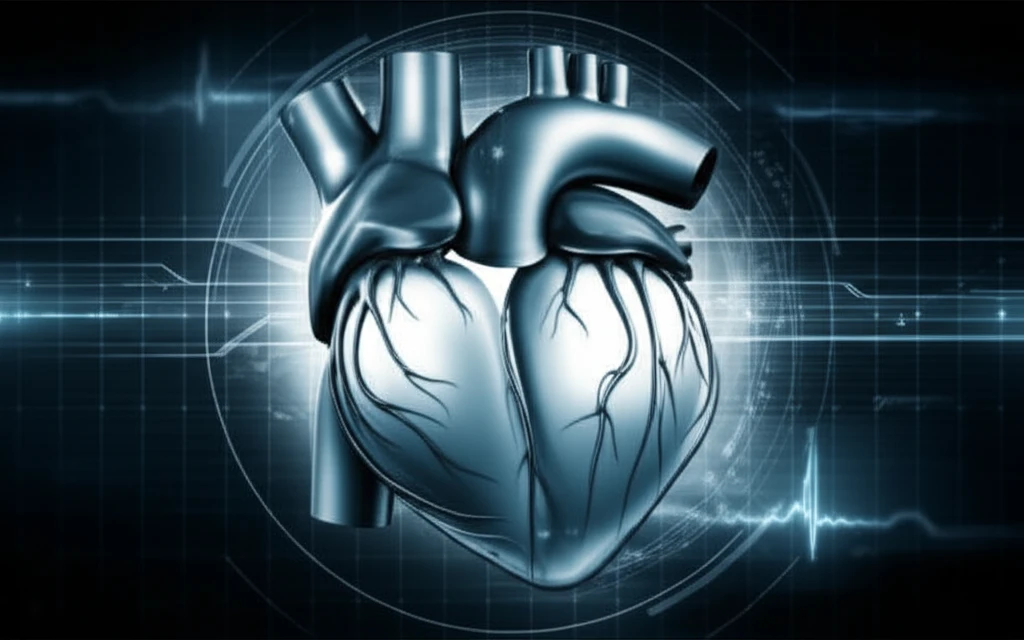
Abstract representation of a bicuspid aortic valve illuminated by diagnostic scan lines, symbolizing the blend of heart anatomy and advanced imaging technology.

Bicuspid Aortic Valve & TAVR: What Heart Patients Need to Know

"Considering transcatheter aortic valve replacement? Learn how imaging ensures the best outcome for those with bicuspid aortic valves."


If you've been diagnosed with a bicuspid aortic valve (BAV) and are exploring treatment options for aortic stenosis, you're likely wondering about transcatheter aortic valve replacement (TAVR). Unlike a normal aortic valve, which has three leaflets, a BAV has only two. This difference can create unique challenges when considering TAVR, a minimally invasive procedure to replace a narrowed aortic valve.

While TAVR is a well-established treatment for severe aortic stenosis in patients at high risk from traditional surgery, most landmark trials excluded those with BAVs. Now, with growing experience and newer generation devices, TAVR is increasingly being considered for BAV patients. However, BAVs are highly variable, and careful planning is essential for success. That’s where imaging comes in.

This article will walk you through exactly what imaging techniques are used, and why they're so important, in determining if TAVR is the right choice for BAV-related aortic stenosis. We will also help you understand what the images tell your doctors, so you can be an informed participant in your heart care.

Mapping Your Heart: The Role of Imaging in BAV and TAVR Decisions

Abstract representation of a bicuspid aortic valve illuminated by diagnostic scan lines, symbolizing the blend of heart anatomy and advanced imaging technology.

Before TAVR can even be considered, doctors need a detailed map of your aortic valve and the surrounding structures. This isn't just about seeing the two leaflets of the BAV; it's about understanding the valve's unique shape, the amount and location of calcium buildup, and the dimensions of your aorta. Multimodality imaging is crucial for patient selection and device choice.

Here are the key aspects of your heart that imaging will help assess:

  • Valve Configuration: Is your BAV truly a two-leaflet valve, or are there partial fusions (raphe) that create a more complex picture? Echocardiography, MDCT (multidetector row computed tomography), and MRI all play a role here.
  • Calcium Load: Where is the calcium located on your valve? Is it symmetrical or asymmetrical? Cardiac CT is the gold standard for assessing this. Too much calcium, or calcium in the wrong place, can affect how well the TAVR valve expands and seals.
  • Aortic Annulus Size and Shape: The aortic annulus is the ring where the valve sits. Precise measurements are critical for choosing the right size TAVR valve. MDCT and 3DTEE (3-dimensional transesophageal echocardiography) are used for this.
  • Aortic Root and Ascending Aorta: BAVs are often associated with aortopathy – enlargement of the aorta. Imaging helps determine if your aorta is also dilated and whether it needs to be addressed at the same time as the valve. MDCT and MRI are key here.
  • Coronary Artery Height: How far are the openings to your coronary arteries from the aortic valve? If they're too close, the TAVR valve could block them. MDCT helps assess this risk.
Each of these elements provides critical data points that collectively help doctors select the best course of action, and significantly decrease the risk of problems after the TAVR procedure.

TAVR and BAV: A Promising Future

The good news is that advances in both TAVR valve design and imaging techniques are making TAVR a viable option for more and more BAV patients. Newer generation valves have improved sealing systems and are better able to conform to the often irregular shape of a BAV.

These improvements, coupled with detailed pre-procedural planning using MDCT, are leading to excellent outcomes for BAV patients undergoing TAVR. While risks still exist, they are decreasing as the technology and our understanding of BAV anatomy evolve.

If you have a BAV and severe aortic stenosis, talk to your cardiologist about whether TAVR is right for you. Be sure to ask about the imaging techniques they'll use to assess your valve and aorta, and how that information will guide their treatment decisions. By being informed and proactive, you can ensure you receive the best possible care.

About this Article -

This article was crafted using a human-AI hybrid and collaborative approach. AI assisted our team with initial drafting, research insights, identifying key questions, and image generation. Our human editors guided topic selection, defined the angle, structured the content, ensured factual accuracy and relevance, refined the tone, and conducted thorough editing to deliver helpful, high-quality information.See our About page for more information.

Everything You Need To Know

1

What is a Bicuspid Aortic Valve (BAV), and why is it important to understand in the context of heart health?

A Bicuspid Aortic Valve (BAV) is a heart valve with only two leaflets instead of the usual three. This structural difference can lead to aortic stenosis, where the valve narrows, restricting blood flow. The implications are significant because a BAV presents unique challenges for procedures like Transcatheter Aortic Valve Replacement (TAVR), requiring careful planning and advanced imaging to ensure successful outcomes.

2

What is Transcatheter Aortic Valve Replacement (TAVR), and how does it relate to BAVs?

Transcatheter Aortic Valve Replacement (TAVR) is a minimally invasive procedure to replace a narrowed aortic valve. It's particularly relevant for individuals with BAVs experiencing aortic stenosis. While TAVR has become a standard treatment for aortic stenosis, its use in BAV patients is more recent, necessitating the use of advanced imaging for precise planning. TAVR offers a less invasive alternative to traditional surgery, making it an important option for many patients.

3

What role do advanced imaging techniques play in preparing for TAVR in patients with BAVs?

Advanced imaging techniques, including Echocardiography, MDCT (multidetector row computed tomography), MRI, and 3DTEE (3-dimensional transesophageal echocardiography), are used to map the aortic valve and surrounding structures before TAVR. They assess valve configuration, calcium load, aortic annulus size and shape, aortic root and ascending aorta, and coronary artery height. The significance lies in their ability to provide a detailed understanding of the BAV's unique characteristics, allowing doctors to choose the right TAVR valve and reduce post-procedure risks.

4

Why is the size and shape of the aortic annulus so important when considering TAVR?

The aortic annulus is the ring-like structure where the aortic valve sits. Its size and shape are critical for selecting the appropriate size of the TAVR valve during the procedure. Precise measurements, obtained through MDCT and 3DTEE, ensure a proper fit. If the selected valve is either too large or too small it can lead to complications like valve leakage or damage. Accurate measurements help to minimize these risks and improve the success rate of TAVR.

5

What is aortopathy, and why does it matter in the context of BAVs and TAVR?

Aortopathy refers to the enlargement of the aorta, which can be associated with BAVs. Imaging, particularly MDCT and MRI, helps determine if the aorta is dilated. If the aorta is significantly enlarged, it may need to be addressed at the same time as the aortic valve during the TAVR procedure. Addressing aortopathy alongside TAVR is crucial to preventing further complications and ensuring long-term cardiovascular health.

Newsletter Subscribe

Subscribe to get the latest articles and insights directly in your inbox.