
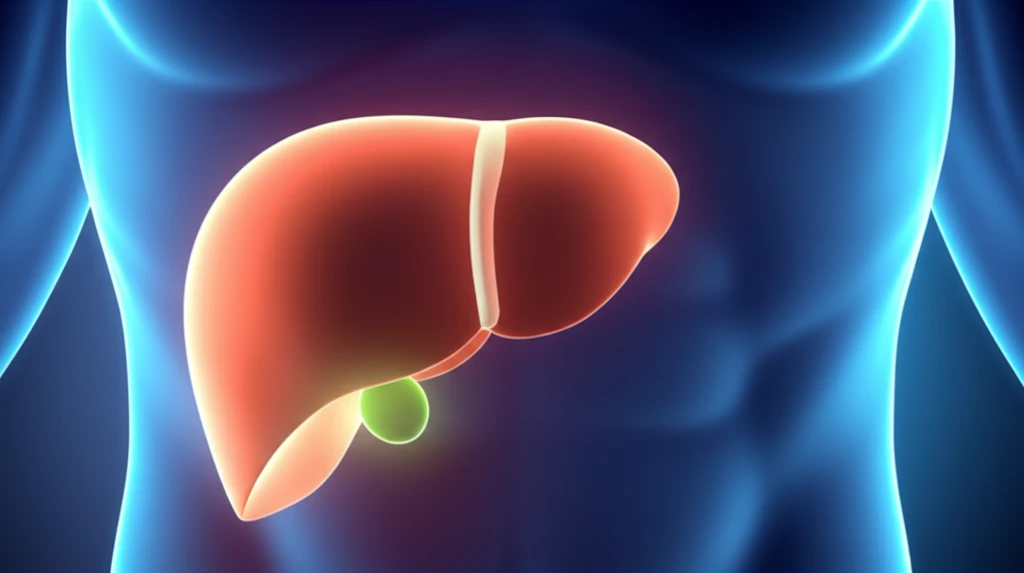
Illustration depicting non-operative management of liver and spleen injuries, with emphasis on healing.

Beyond the Trauma: Understanding Non-Operative Management of Liver and Spleen Injuries

"A groundbreaking approach to healing internal injuries without surgery, offering new hope and faster recovery."


Imagine a scenario: a sudden accident, a hard fall, or a collision during sports. The aftermath can involve serious internal injuries, particularly to vital organs like the liver and spleen. Traditionally, such injuries often meant immediate surgery. However, a remarkable transformation is underway in medical care, with a growing emphasis on non-operative management (NOM) of these injuries.

This shift isn't just about avoiding surgery; it's about embracing a holistic approach to healing. NOM represents a paradigm shift, focusing on the body's natural ability to heal, guided by advanced medical monitoring and interventions. This method prioritizes patient well-being, minimizes invasive procedures, and aims for a quicker, smoother recovery.

This article delves into the world of non-operative management for liver and spleen injuries. We'll explore the rationale behind this approach, the criteria for patient selection, the latest treatment strategies, and the critical role of advanced imaging. This information is designed to inform, empower, and provide a clearer understanding of the benefits and considerations of NOM.

Non-Operative Management: A New Era in Treating Liver and Spleen Injuries

Illustration depicting non-operative management of liver and spleen injuries, with emphasis on healing.

The liver and spleen, crucial organs in the abdomen, are susceptible to injury from blunt trauma. In the past, such injuries frequently led to surgical intervention. However, in recent years, a significant change has emerged, particularly in major trauma centers equipped with advanced resources and experienced surgeons.

This shift towards NOM is supported by the observation that many minor to moderate liver and spleen injuries do not require surgical intervention. With NOM, the focus is on allowing the body's natural healing processes to take over, supported by close monitoring and targeted interventions.

  • Reduced Need for Surgery: NOM often means fewer invasive procedures.
  • Faster Recovery: Patients may experience quicker healing and return to normal activities.
  • Lower Complication Rates: Studies suggest a decrease in complications associated with NOM.
  • Improved Patient Well-being: The approach prioritizes patient comfort and a less stressful recovery process.
The success of NOM hinges on a number of factors, including the stability of the patient's condition, the severity of the injury, and the availability of advanced medical care. Close monitoring is essential, with frequent clinical examinations, imaging studies, and laboratory tests playing a critical role in assessing the patient's progress.

Embracing the Future of Trauma Care

Non-operative management is transforming the way we approach liver and spleen injuries. It's a testament to the body's remarkable healing capabilities and the advances in medical technology. By prioritizing patient well-being and a less invasive approach, NOM is setting a new standard in trauma care, offering hope for faster and more comfortable recoveries. Continued research, adherence to best practices, and ongoing advancements will undoubtedly refine this approach, further enhancing the care and outcomes for individuals facing these challenging injuries.

About this Article -

This article was crafted using a human-AI hybrid and collaborative approach. AI assisted our team with initial drafting, research insights, identifying key questions, and image generation. Our human editors guided topic selection, defined the angle, structured the content, ensured factual accuracy and relevance, refined the tone, and conducted thorough editing to deliver helpful, high-quality information.See our About page for more information.

Everything You Need To Know

1

What exactly is Non-Operative Management (NOM) and how does it differ from traditional treatments for liver and spleen injuries?

Non-Operative Management (NOM) is a treatment approach for liver and spleen injuries that prioritizes the body's natural healing processes over immediate surgical intervention. Unlike traditional methods that often involve surgery to address these injuries, NOM relies on close monitoring, advanced imaging, and targeted interventions to support healing. This approach aims to minimize invasive procedures, reduce complications, and promote faster recovery by leveraging the body's inherent ability to repair itself. NOM is considered, when the patient's condition is stable, and the injury is not immediately life-threatening. In the past surgical intervention was the norm.

2

What are the primary advantages of using Non-Operative Management (NOM) for liver and spleen injuries?

The primary advantages of Non-Operative Management (NOM) include a reduced need for surgery, which minimizes the risks associated with invasive procedures. Patients often experience faster recovery times and a quicker return to normal activities. Studies suggest that NOM can lead to lower complication rates compared to surgical interventions. Moreover, NOM prioritizes patient comfort and aims for a less stressful recovery process, contributing to improved overall well-being. This is only suitable for specific minor to moderate liver and spleen injuries that do not require surgical intervention.

3

What factors determine whether Non-Operative Management (NOM) is a suitable treatment option for a liver or spleen injury?

The suitability of Non-Operative Management (NOM) depends on several factors, including the stability of the patient's condition and the severity of the injury. Advanced medical care resources and experienced surgeons are essential for NOM to be considered a viable option. Regular clinical examinations, imaging studies, and laboratory tests play a crucial role in monitoring the patient's progress and determining if NOM remains appropriate. If the patient's condition deteriorates or complications arise, surgical intervention may become necessary.

4

How does Non-Operative Management (NOM) reflect advancements in medical technology and understanding of trauma care?

Non-Operative Management (NOM) exemplifies advancements in medical technology by leveraging tools like advanced imaging for precise monitoring of liver and spleen injuries. It reflects a deeper understanding of the body's healing capabilities, moving away from automatic surgical intervention towards supporting natural recovery processes. This approach prioritizes patient well-being, reduces invasive procedures, and signifies a shift towards more holistic and patient-centered trauma care. NOM relies on the ability to closely monitor the patient's condition and intervene when necessary, showcasing a more nuanced and sophisticated approach to treatment.

5

What role does ongoing research and adherence to best practices play in the continued success and refinement of Non-Operative Management (NOM) for liver and spleen injuries?

Continued research is essential for refining Non-Operative Management (NOM) techniques, identifying optimal patient selection criteria, and developing improved monitoring strategies for liver and spleen injuries. Adherence to best practices ensures consistent and effective implementation of NOM protocols, minimizing risks and maximizing positive outcomes. Ongoing advancements in medical technology and a commitment to evidence-based care contribute to the continued success of NOM, further enhancing the care and recovery outcomes for individuals with these challenging injuries. This continuous improvement helps in establishing NOM as a standard in trauma care.

Newsletter Subscribe

Subscribe to get the latest articles and insights directly in your inbox.