
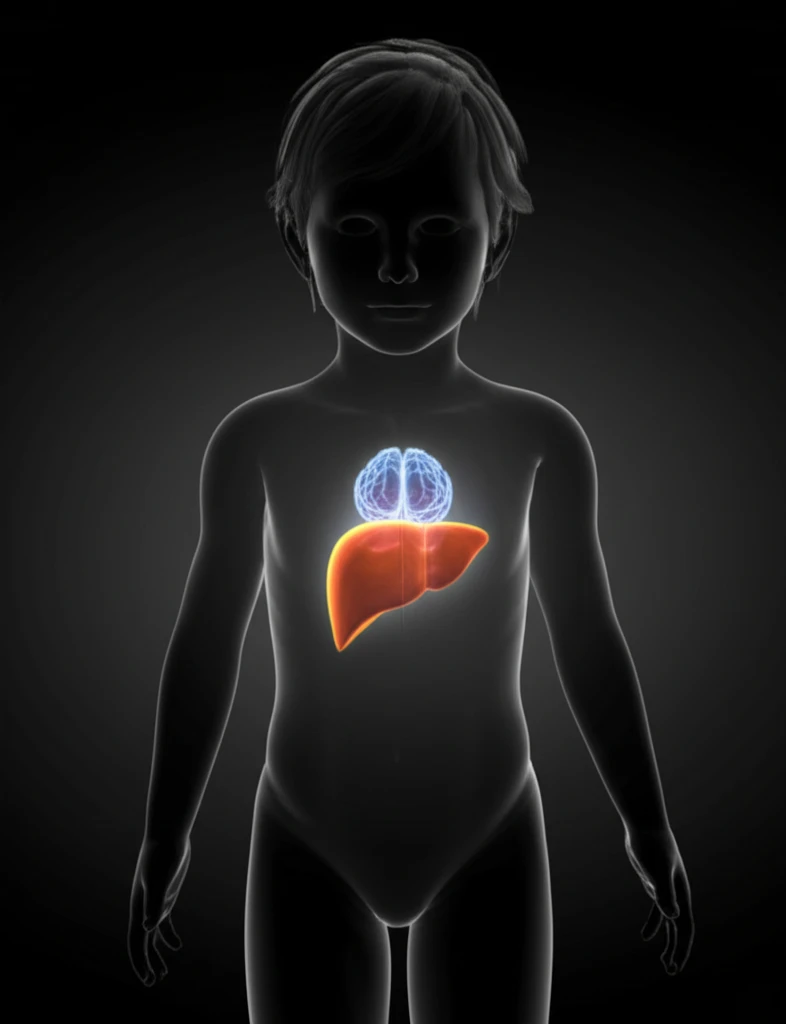
Illustration of a child's silhouette with a glowing liver and brain, representing the link between liver and brain health in Hepatitis A.

Beyond the Textbook: When Hepatitis A Gets Weird

"Uncommon presentations of a common virus: Understanding rare hepatitis A complications in children"


Hepatitis A is typically a self-limiting infection in children, resolving on its own without long-term consequences. However, in rare instances, this common virus can present in unusual and sometimes serious ways, leading to diagnostic challenges for healthcare providers.

Two such rare presentations are hepatic encephalopathy (brain dysfunction due to liver disease) and glomerulonephritis (kidney inflammation). While uncommon, recognizing these atypical manifestations of Hepatitis A is crucial for prompt and appropriate management.

This article explores two case studies highlighting these rare complications, shedding light on their clinical features, diagnostic approaches, and management strategies. Understanding these unusual presentations can help improve outcomes for children affected by Hepatitis A.

Hepatitis A and the Brain: When the Liver Impacts Cognition

Illustration of a child's silhouette with a glowing liver and brain, representing the link between liver and brain health in Hepatitis A.

Hepatic encephalopathy is a rare but serious complication of Hepatitis A, characterized by altered mental status and cognitive dysfunction. While most Hepatitis A infections don't affect the brain, in some cases, liver inflammation can lead to a buildup of toxins in the bloodstream, which then affect brain function. A case study involved a nine-year-old girl who presented with fever and abnormal behavior, including confusion and decreased responsiveness.

What made this case unusual was the absence of acute liver failure, which is typically associated with hepatic encephalopathy. Despite this, her liver function tests were abnormal, and she was diagnosed with Hepatitis A. The child's condition improved with supportive care, highlighting the importance of recognizing this atypical presentation.

Symptoms of hepatic encephalopathy can include:
  • Confusion
  • Disorientation
  • Altered level of consciousness
  • Changes in personality
  • Seizures (in severe cases)
Prompt diagnosis and management, including addressing the underlying liver dysfunction and providing supportive care, are crucial for improving outcomes in children with Hepatitis A-related encephalopathy.

The Takeaway: Vigilance is Key

While Hepatitis A is usually a mild illness in children, it's important to be aware of the rare but serious complications like hepatic encephalopathy and glomerulonephritis. Early recognition and prompt management are crucial for improving outcomes.

These case studies highlight the importance of considering atypical presentations of common diseases, especially in children. A thorough clinical evaluation, including appropriate laboratory investigations, is essential for accurate diagnosis and timely intervention.

By increasing awareness of these rare complications, healthcare providers can ensure that children with Hepatitis A receive the best possible care.

About this Article -

This article was crafted using a human-AI hybrid and collaborative approach. AI assisted our team with initial drafting, research insights, identifying key questions, and image generation. Our human editors guided topic selection, defined the angle, structured the content, ensured factual accuracy and relevance, refined the tone, and conducted thorough editing to deliver helpful, high-quality information.See our About page for more information.

This article is based on research published under:

DOI-LINK: 10.4172/jaa.1000141, Alternate LINK

Title: Hepatitis A Virus Infection - Rare Presentations In Children

Subject: Virology

Journal: Journal of Antivirals & Antiretrovirals

Publisher: OMICS Publishing Group

Authors: Saurabhi D, Shambhawi R

Published: 2016-01-01

Everything You Need To Know

1

What are the main complications associated with Hepatitis A that are discussed?

Hepatitis A typically resolves on its own, but in rare cases, it can lead to serious complications such as hepatic encephalopathy and glomerulonephritis. These atypical presentations require prompt recognition and appropriate management to prevent long-term consequences. The importance lies in the need for vigilance and the understanding that even a common virus like Hepatitis A can manifest in unexpected ways, potentially impacting the brain and kidneys.

2

What is hepatic encephalopathy and how does it relate to Hepatitis A?

Hepatic encephalopathy is a serious complication where liver dysfunction due to Hepatitis A allows toxins to build up in the bloodstream, affecting brain function. Symptoms include confusion, disorientation, altered consciousness, personality changes, and, in severe cases, seizures. While this case study did not feature acute liver failure, the diagnosis of hepatic encephalopathy still applied due to the presentation of symptoms and abnormal liver function in the presence of Hepatitis A. Management focuses on addressing the underlying liver dysfunction and providing supportive care.

3

What is glomerulonephritis in the context of Hepatitis A?

Glomerulonephritis is a rare complication characterized by kidney inflammation in the context of Hepatitis A. The article does not go into much depth on Glomerulonephritis, but it is listed as one of the main uncommon complications, along with hepatic encephalopathy. This is a sign that the condition exists and is serious enough to consider.

4

Why is it important to recognize the atypical presentations of Hepatitis A?

The primary reason these unusual manifestations are significant is that they can present diagnostic challenges. Early recognition and prompt management are crucial for improving outcomes in children. When a child presents with symptoms that may be unusual for Hepatitis A, a healthcare provider must consider these less common presentations of the disease to ensure appropriate and timely care.

5

What kind of care is needed for children experiencing these complications?

Supportive care includes addressing the underlying liver dysfunction and managing the symptoms that arise, like the confusion or seizures that can come with hepatic encephalopathy. The article does not provide much further detail about the treatments outside of the context of the case study mentioned. The key takeaway is that close monitoring and early interventions are vital for improving outcomes in these complex cases. This highlights the importance of vigilance and understanding the range of possible manifestations of Hepatitis A, particularly in children.

Newsletter Subscribe

Subscribe to get the latest articles and insights directly in your inbox.