
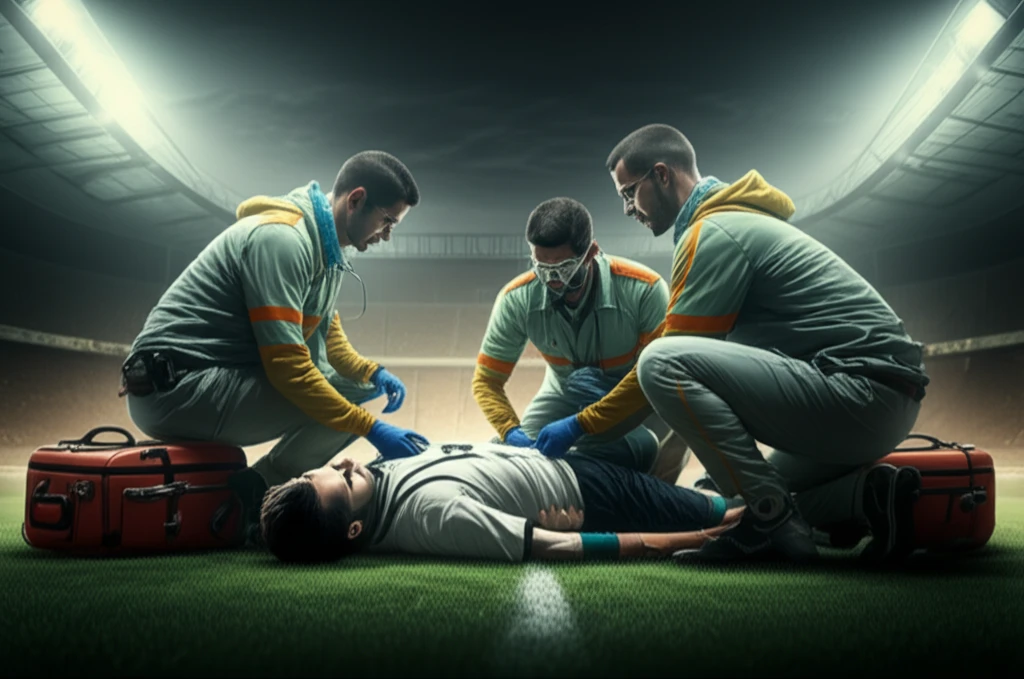
Beyond the Sidelines: Your Guide to Immediate Care for Sports Injuries

"Understanding the Crucial First Steps in Injury Management for Athletes of All Levels"
In the high-stakes world of sports, injuries are an unfortunate reality. Whether you're a weekend warrior or a seasoned professional, understanding how to respond to an injury can significantly impact recovery and long-term health. This guide provides a comprehensive overview of immediate care for sports injuries, focusing on the vital steps that need to be taken right after an injury occurs.
From the moment an athlete is hurt, the clock starts ticking. Proper assessment, immediate treatment, and informed decision-making can mean the difference between a swift return to play and prolonged absence. This article will walk you through the essential components of immediate care, including the importance of the PECH protocol, how to evaluate an injury, and when to seek further medical attention.
This isn't just for coaches or medical professionals; it's for anyone involved in sports, from parents of young athletes to the athletes themselves. Armed with this knowledge, you'll be better equipped to handle injuries effectively and support the athletes in your life.
The Immediate Response: Essential Actions for Sports Injuries
When an athlete goes down, the immediate response is crucial. This involves more than just rushing onto the field; it requires a structured approach to ensure the athlete's safety and well-being. The following actions form the foundation of effective immediate care:
- Ensure Safety: Make sure the area is safe for both the injured athlete and those providing assistance. Remove any hazards and ensure no further injury is likely.
- Check for Consciousness and Responsiveness: If the athlete is unresponsive, immediately check for breathing and a pulse. Call for emergency medical services (EMS) if necessary.
- Control Bleeding: Apply direct pressure to any open wounds to stop the bleeding. Use a clean cloth or dressing.
- Immobilize if Necessary: If a fracture is suspected, immobilize the injured area to prevent further damage. Use a splint or other supportive device.
Empowering Athletes and Their Support Systems
Dealing with sports injuries can be stressful, but with the right knowledge and preparation, you can navigate these situations with confidence. By understanding the fundamentals of immediate care, you can provide critical support to athletes and contribute to their health and well-being. Stay informed, stay prepared, and make a difference in the world of sports.