
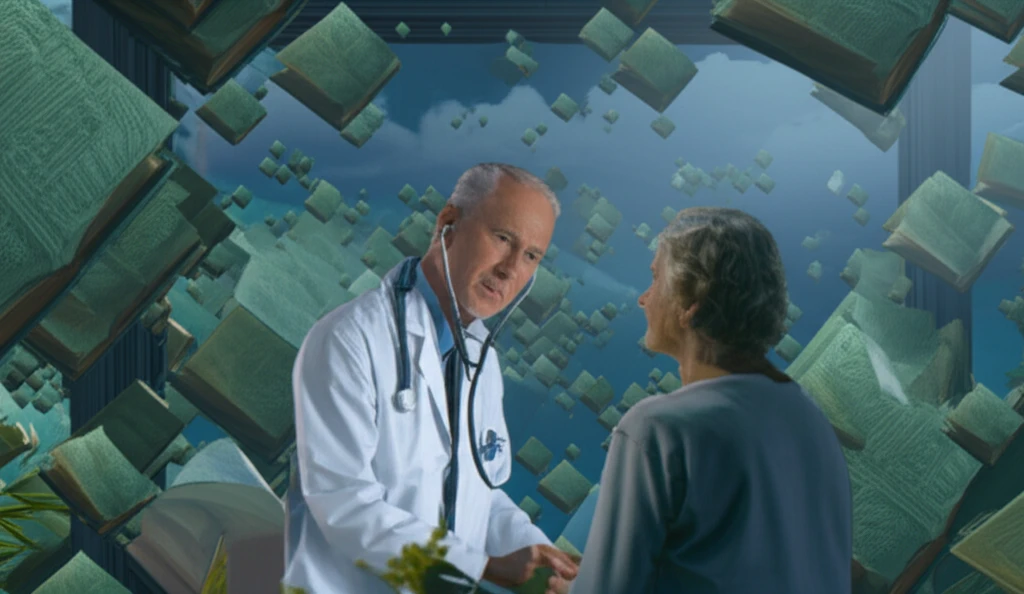
Beyond the Scalpel: Why the Humanities are Essential to Modern Healthcare

"Discover how integrating literature, art, and storytelling into medical education can foster empathy, improve patient care, and combat physician burnout."
In today's rapidly evolving healthcare landscape, scientific advancements often take center stage. Yet, beneath the surface of data and diagnostics lies the fundamental human connection that drives effective patient care. Can medical professionals maintain their focus on compassion and understanding?
The integration of humanities into medical education offers a powerful solution. By incorporating literature, philosophy, art, and other humanistic disciplines, medical schools can cultivate empathy, improve communication skills, and foster a deeper understanding of the patient experience. This, in turn, equips future physicians to provide more holistic and human-centered care.
Sir William Osler, a renowned physician, once questioned whether studying humanities could counter overspecialization and narrowness in medicine. This article delves into how narrative medicine, creative writing, and other humanistic approaches can reinforce the core principles of osteopathic philosophy, emphasizing care for the whole person – body, mind, and spirit.
The Power of Narrative Medicine: Listening Beyond the Symptoms
Narrative medicine, a concept popularized by Greenhalgh and Hurwitz, emphasizes the importance of listening to the patient’s story to understand their illness within a broader context. By exploring patient narratives, physicians can gain valuable insights that inform diagnostic and treatment plans. These narratives provide a framework for a more holistic approach to care, acknowledging the individual's unique experiences and perspectives.
- Enhanced empathy: Recognizing and responding to patients' emotional experiences.
- Improved communication: Establishing therapeutic alliances through effective listening and storytelling.
- Accurate diagnoses: Interpreting physical findings and lab results within the context of the patient's narrative.
- Effective care: Engaging patients in their care plans and fostering a sense of collaboration.
Looking Ahead: Integrating Humanities for a More Human-Centered Healthcare
As technology continues to advance, it is crucial to ensure that the human connection remains at the heart of healthcare. Medical humanities resources are readily available, both within and outside the osteopathic medical community. By embracing the humanities, healthcare professionals can bridge communication gaps, foster unity between patients and physicians, and ultimately provide more compassionate and effective care. The Hippocratic Oath reminds physicians of the art in medicine, emphasizing the importance of warmth, sympathy, and understanding – qualities that can outweigh even the most advanced medical interventions.