
Beyond the Pill: Innovative Drug Strategies for Parkinson's and Alzheimer's

"Could multi-target medications revolutionize treatment for neurodegenerative diseases?"
Parkinson's disease (PD) and Alzheimer's disease (AD) represent a significant and growing challenge, with current treatments primarily focused on managing symptoms rather than preventing the underlying neurodegeneration. The lack of disease-modifying drugs underscores the urgent need for innovative therapeutic strategies.
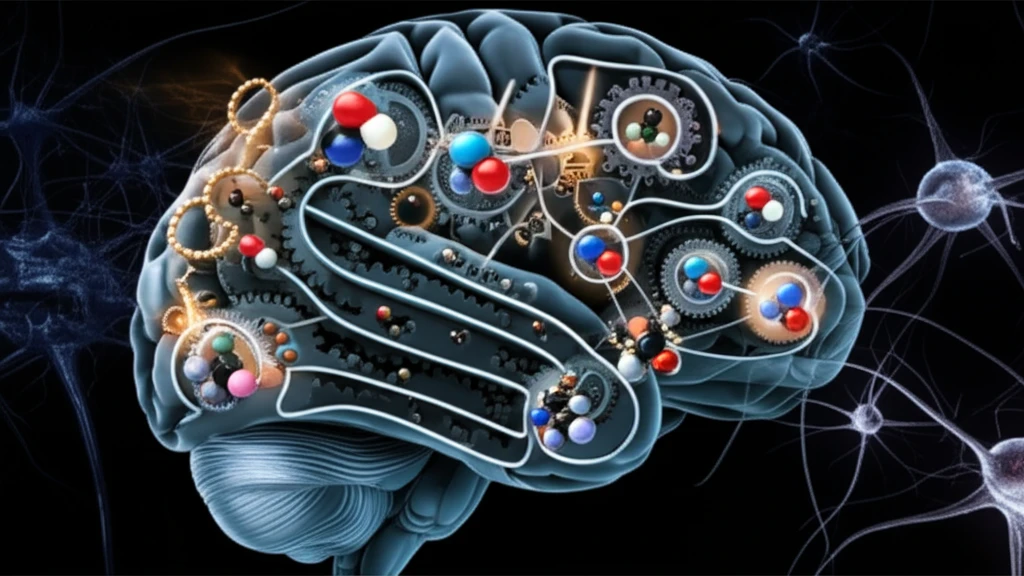
The complex nature of these diseases, involving a cascade of neurotoxic events, suggests that a single-target approach may be insufficient. This has led to the exploration of multifunctional pharmaceuticals capable of simultaneously addressing multiple pathological pathways.
This article delves into the potential of these multi-tasking drugs, examining specific examples and their mechanisms of action, to provide a comprehensive overview of this promising avenue of research.
Why Multi-Target Drugs?
Traditional drug development often focuses on single targets. However, neurodegenerative diseases involve multiple interconnected pathways that contribute to neuronal death. Targeting just one pathway might not be enough to halt or significantly slow disease progression.
- Rasagiline: Initially approved for its MAO-B inhibiting activity, rasagiline also exhibits neuroprotective properties, potentially modifying the course of Parkinson's disease.
- Ladostigil: Combining the benefits of rasagiline with cholinesterase inhibition, ladostigil targets both dopaminergic and cholinergic pathways, showing promise for Alzheimer's and Parkinson's with dementia.
- M30 and its Derivatives: These compounds combine iron-chelating, antioxidant, and MAO-inhibiting activities, offering broad neuroprotection and even promoting neurorestoration in animal models.
The Future of Neurodegenerative Disease Treatment
The exploration of multifunctional drugs represents a paradigm shift in how we approach neurodegenerative diseases. By targeting multiple pathways simultaneously, these drugs offer the potential to address the complexity of these conditions more effectively.
While challenges remain in developing and testing these agents, the early successes with drugs like rasagiline and the promising preclinical data on compounds like M30 provide a strong impetus for continued research.
As we gain a deeper understanding of the intricate mechanisms underlying neurodegeneration, the design of even more sophisticated multi-target drugs will likely pave the way for more effective treatments and, potentially, disease modification.