
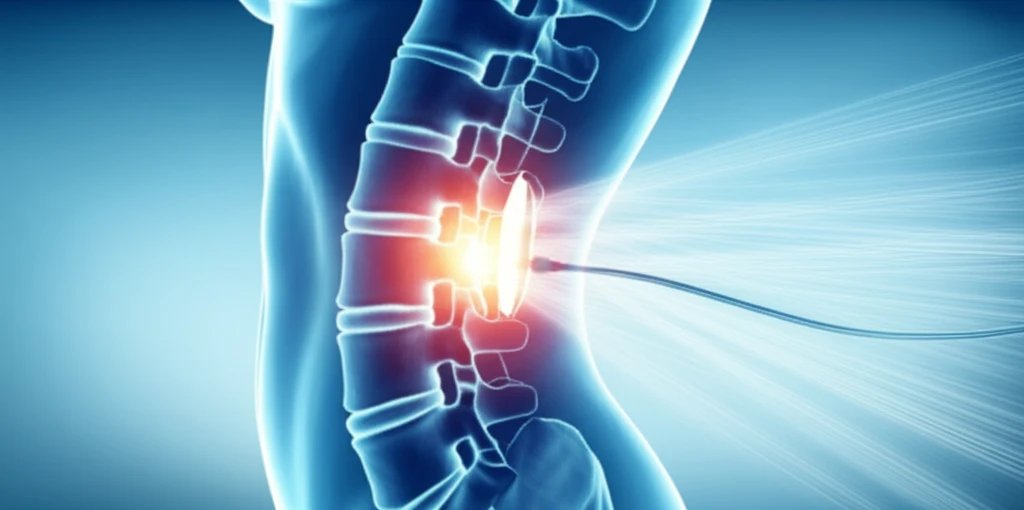
Illustration of epidural therapy for chronic pain, with a spine, catheter, and light

Beyond the Needle: How Epidural Therapy is Revolutionizing Chronic Pain Management

"Unlocking Relief: A Groundbreaking Study Reveals the Potential of Epidural Therapy for Chronic Neuropathic Pain"


Chronic pain, a relentless adversary, affects millions worldwide, often leaving individuals trapped in a cycle of suffering. For those grappling with neuropathic pain, a condition stemming from nerve damage, the struggle is particularly acute. Traditional treatments often fall short, leaving patients searching for effective relief. But what if a revolutionary approach, combining the precision of modern medicine with the body's innate healing abilities, held the key?

Recent research published in the Journal of Pain Research sheds light on a promising avenue: combined epidural therapy. This innovative treatment, involving the precise delivery of medications directly to the spinal area, offers a beacon of hope for those whose lives have been overshadowed by chronic pain. This article unveils the groundbreaking findings, exploring the science behind the treatment, its potential benefits, and what it means for the future of pain management.

The study, conducted by researchers at the Santa Maria Maddalena Hospital in Italy, focuses on the use of epidural morphine and bupivacaine to treat lumbosacral radicular neuropathic pain. This approach, designed to target the source of the pain, has the potential to offer lasting relief where other treatments have failed. We'll explore the study's methodology, its remarkable results, and the implications for patients and healthcare professionals alike.

Understanding the Science: How Epidural Therapy Works

Illustration of epidural therapy for chronic pain, with a spine, catheter, and light

To understand the significance of this study, it's crucial to grasp the underlying principles of epidural therapy. Unlike oral medications that must navigate the body's complex systems, epidural therapy delivers drugs directly to the spinal area. This targeted approach allows for lower doses, minimizing side effects while maximizing effectiveness.

The study's core involved placing a catheter into the epidural space, the area surrounding the spinal cord. Through this catheter, a combination of morphine and bupivacaine was administered. Morphine, an opioid, helps manage pain signals, while bupivacaine, a local anesthetic, provides additional pain relief by blocking nerve signals. The combined effect creates a synergistic action, addressing multiple aspects of pain.

  • Targeted Delivery: Drugs are delivered directly to the source of the pain, offering efficient relief.
  • Reduced Dosage: Lower doses of medication mean fewer side effects.
  • Synergistic Action: Morphine and bupivacaine work together, enhancing pain relief.
  • Sustained Relief: The epidural approach can provide sustained pain relief, improving quality of life.
The study meticulously tracked pain levels using the Numeric Rating Scale (NRS) and the McGill Pain Questionnaire (QUID). These tools provided a comprehensive assessment of pain intensity and its impact on the patients' lives. The results were striking. Both NRS and PRIr-T (total pain rating index rank) were significantly reduced at follow-up. More importantly, the pain relief persisted for up to one month after the treatment's cessation. This sustained effect highlights the potential for lasting impact.

A Brighter Future for Chronic Pain Sufferers

The findings of this study offer more than just a new treatment; they offer a renewed sense of hope. By demonstrating the efficacy of epidural therapy in managing chronic neuropathic pain, the researchers have opened doors for future studies and advancements in pain management. This research underscores the importance of exploring innovative approaches to alleviate the burden of chronic pain and improve the quality of life for countless individuals. As we move forward, this research serves as a reminder of the power of scientific inquiry and the ongoing quest for more effective and compassionate care.

About this Article -

This article was crafted using a human-AI hybrid and collaborative approach. AI assisted our team with initial drafting, research insights, identifying key questions, and image generation. Our human editors guided topic selection, defined the angle, structured the content, ensured factual accuracy and relevance, refined the tone, and conducted thorough editing to deliver helpful, high-quality information.See our About page for more information.

This article is based on research published under:

DOI-LINK: 10.2147/jpr.s113996, Alternate LINK

Title: Combined Epidural Morphine And Bupivacaine In The Treatment Of Lumbosacral Radicular Neuropathic Pain: A Noncontrolled Prospective Study

Subject: Anesthesiology and Pain Medicine

Journal: Journal of Pain Research

Publisher: Informa UK Limited

Authors: Simone Vigneri, Gianfranco Sindaco, Marco La Grua, Matteo Zanella, Laura Ravaioli, Valentina Paci, Gilberto Pari

Published: 2016-11-01

Everything You Need To Know

1

What specific types of chronic neuropathic pain were targeted in the epidural therapy study, and why is this significant?

The study focused on lumbosacral radicular neuropathic pain, which affects the lower back and legs due to nerve damage. This is significant because traditional treatments often fail to provide adequate relief for this type of pain. By targeting the specific area of pain with epidural morphine and bupivacaine, the treatment aims to address the source of the problem directly, offering a potential solution for those who haven't found relief elsewhere. The study did not focus on all areas of the body, and other areas of neuropathic pain may respond differently.

2

How does epidural therapy differ from traditional oral medications in treating chronic pain, and what are the advantages of this difference?

Epidural therapy delivers medication directly to the spinal area, unlike oral medications that circulate throughout the body. This targeted approach allows for lower doses of drugs like morphine and bupivacaine, minimizing side effects while maximizing effectiveness. The advantages include reduced systemic exposure, more efficient pain relief, and the potential for sustained impact on pain levels. Oral medications must be processed by the body which can reduce the amount of available medication.

3

Can you elaborate on the roles of morphine and bupivacaine in epidural therapy for chronic pain, and how their combined effect contributes to pain relief?

Morphine, an opioid, manages pain signals by interacting with opioid receptors in the spinal cord, reducing the perception of pain. Bupivacaine, a local anesthetic, blocks nerve signals, providing additional pain relief. Their combined effect creates a synergistic action, addressing multiple aspects of pain. Morphine directly affects pain signals, while bupivacaine numbs the area, resulting in more comprehensive pain relief than either drug could achieve alone. Additionaly the study did not elaborate on other anesthetic possibilities.

4

What specific tools were used to measure pain levels and the impact on patients' lives during the study on epidural therapy?

The study meticulously tracked pain levels using the Numeric Rating Scale (NRS) and the McGill Pain Questionnaire (QUID). These tools provided a comprehensive assessment of pain intensity and its impact on the patients' lives. The NRS quantifies pain intensity on a scale, while the McGill Pain Questionnaire evaluates the quality and nature of pain, providing a more detailed understanding of the patient's experience. The study also made use of PRIr-T (total pain rating index rank), which was also significantly reduced at follow-up.

5

What are the broader implications of the research findings on epidural therapy for the future of chronic pain management, and what future studies or advancements might stem from this research?

The findings suggest a renewed sense of hope. By demonstrating the efficacy of epidural therapy in managing chronic neuropathic pain, the researchers have opened doors for future studies and advancements in pain management. This research underscores the importance of exploring innovative approaches to alleviate the burden of chronic pain and improve the quality of life for countless individuals. Future studies might explore different combinations of medications, long-term effects of epidural therapy, and its application to other types of chronic pain.

Newsletter Subscribe

Subscribe to get the latest articles and insights directly in your inbox.