
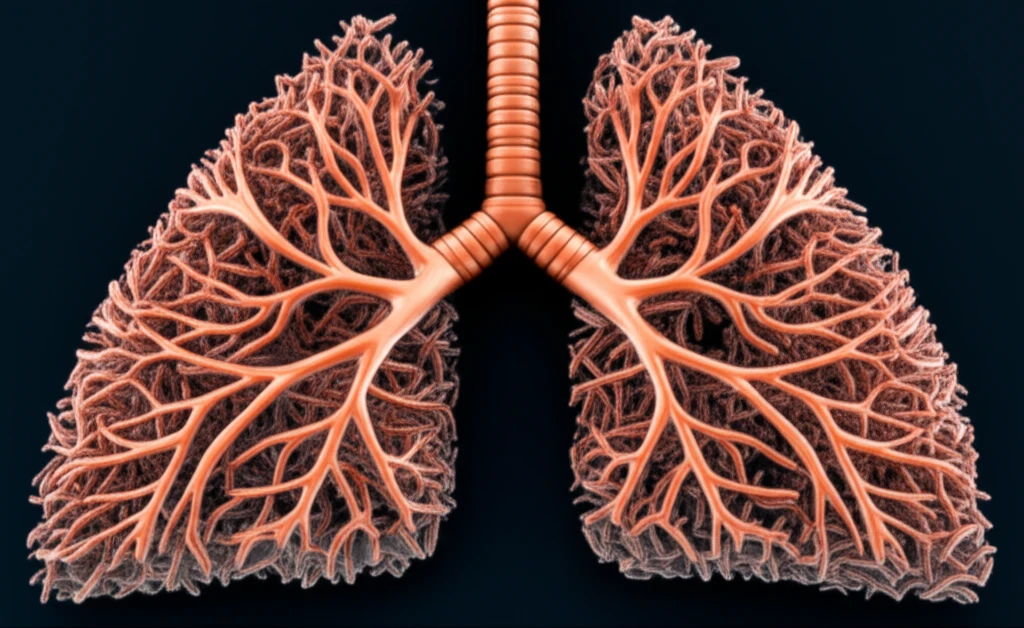
Beyond the Gut: When C. difficile Strikes the Lungs

"A rare case report sheds light on Clostridium difficile causing empyema, highlighting the importance of considering extraintestinal infections."
Clostridium difficile (C. difficile) is a bacterium most often associated with infections of the gut, causing symptoms like diarrhea and colitis. Typically, C. difficile infections occur after antibiotic use disrupts the natural balance of bacteria in the intestines. However, in very rare instances, C. difficile can manifest outside the gastrointestinal tract, leading to severe conditions like empyema—an accumulation of pus in the space between the lung and the surrounding membrane.
A recent case report published in Case Reports in Gastroenterology details an unusual occurrence of C. difficile causing empyema in a 42-year-old Hispanic male. This case is particularly noteworthy because the patient had no prior history of C. difficile infection, making the diagnosis challenging and emphasizing the importance of considering extraintestinal manifestations of common pathogens.
This article explores the details of this case report, shedding light on how C. difficile can cause lung infections, the potential mechanisms behind such rare occurrences, and what healthcare professionals and the public need to know about this unusual presentation of a common infection.
The Case: Atypical Presentation of C. difficile
The 42-year-old patient presented with worsening shortness of breath, a cough producing green sputum, subjective fevers, and a notable 40-pound weight loss. He had a history of liver cirrhosis due to non-alcoholic fatty liver disease (NAFLD), hypothyroidism, and had undergone Roux-en-Y gastric bypass surgery seven years prior for morbid obesity. He had also developed achalasia, a condition affecting the esophagus, six years post-bypass, managed with Botox injections.
- Diagnosis: C. difficile empyema confirmed via VATS procedure.
- Treatment: Intravenous metronidazole.
- Outcome: Patient recovered well after chest tube removal.
Implications and Future Directions
This case underscores the importance of considering C. difficile as a potential cause of empyema, even in the absence of typical risk factors or gastrointestinal symptoms. Clinicians should be vigilant in investigating atypical presentations of common infections, especially in patients with complex medical histories. Further research is needed to understand the mechanisms by which C. difficile can manifest outside the gut and to develop better diagnostic and treatment strategies for these rare but serious conditions.