
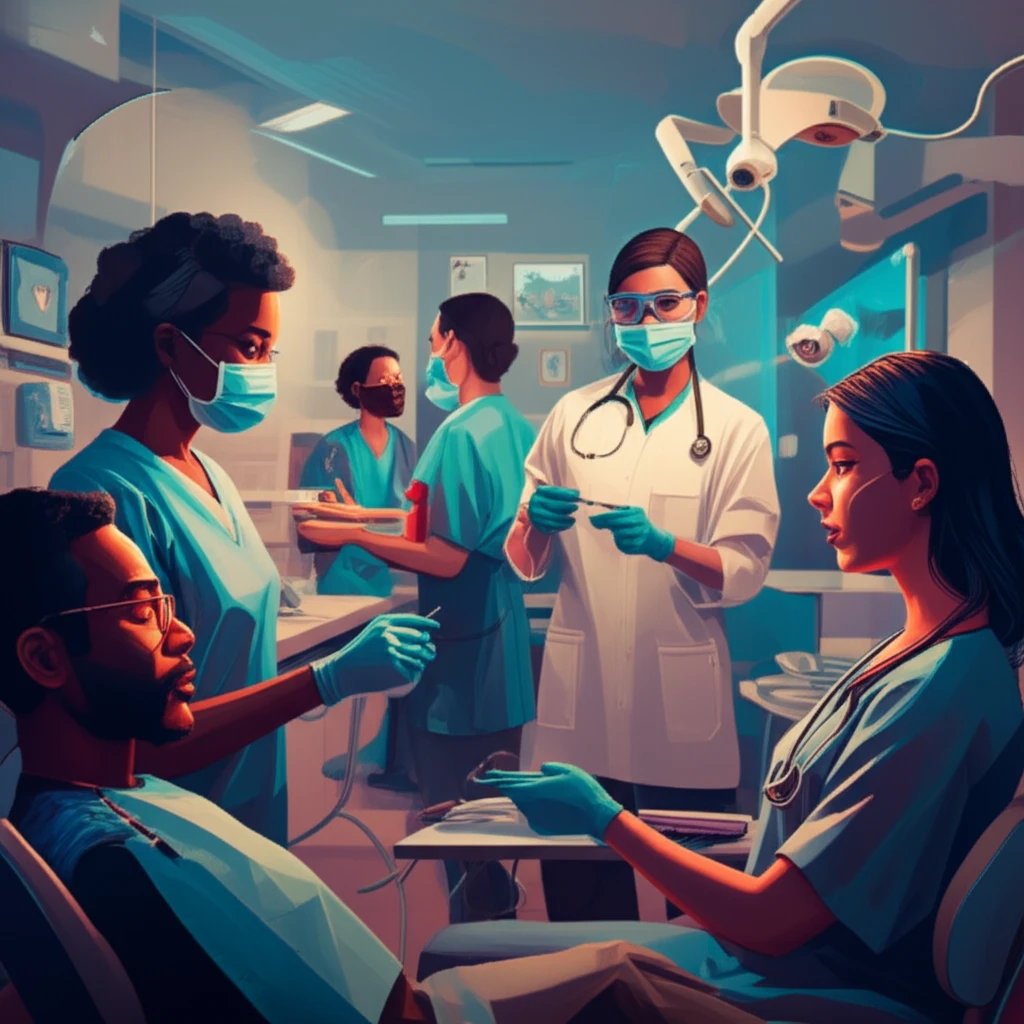
Dental students engaging with community health during an extramural internship.

Beyond the Classroom: How Extramural Internships Shape Future Dentists

"Discover how real-world experiences in public health settings are revolutionizing dental education and creating more humanistic, community-focused practitioners."


Traditional dental education is evolving. Integrated clinics and early exposure to patient care are becoming increasingly common, aiming to provide a more comprehensive learning experience. These shifts emphasize the importance of practical experience alongside theoretical knowledge, especially within community and home settings.

Recognizing the need for healthcare professionals who are not only skilled but also socially conscious, dental education is adapting its curriculum. This evolution aligns with the guidelines that emphasize the importance of producing graduates who can deliver quality care within the public health system.

Extramural activities, such as internships within public health services, offer invaluable opportunities for dental students. These experiences provide insights into the organization, administration, and operation of public health services, allowing students to apply their knowledge in real-world scenarios. This article examines the influence of extramural internships on dental students' academic formation, specifically focusing on their experiences within Brazil's Family Health Program.

Real-World Impact: How Internships Transform Dental Students

Dental students engaging with community health during an extramural internship.

A study was conducted with 25 dental students and recent graduates from the Federal University of Espírito Santo (UFES) in Brazil. These students had participated in the PET-Saúde program, which integrates students into primary healthcare teams. Data was collected through questionnaires, and the responses revealed compelling insights into the impact of these extramural experiences.

The results indicated that a significant majority (23 out of 25) of the participants rated the contribution of the PET-Saúde internship to their academic training as 'good' or 'excellent.' This positive assessment underscores the value of practical experience in shaping their understanding of dentistry within a broader healthcare context.

  • Understanding the Public Health System: Students gained firsthand knowledge of the Brazilian Unified Health System (SUS) and the Family Health Strategy (ESF).
  • Community Engagement: Internships fostered a deeper understanding of community realities and the social determinants of health.
  • Interdisciplinary Collaboration: Students learned to work effectively within multidisciplinary teams, enhancing their communication and collaboration skills.
  • Clinical Skills Development: The program provided opportunities to perform clinical procedures not typically offered in the traditional university setting.
These contributions highlight the transformative potential of extramural internships in bridging the gap between theoretical knowledge and practical application. By immersing students in real-world healthcare settings, these programs cultivate a more holistic and community-oriented approach to dental care.

The Future of Dental Education: A Call for Community-Focused Training

The dental students who participated in the PET-Saúde program shared a common sentiment: the internship significantly contributed to their development as more humanistic, comprehensive, critical, and reflective healthcare professionals. This aligns with the recommendations of Brazilian dental curricular guidelines, which emphasize the importance of producing graduates who are equipped to address the complex health needs of the population.

These findings highlight the critical role of extramural experiences in shaping the next generation of dental professionals. By integrating practical training with real-world community engagement, dental education can foster a more holistic and socially responsible approach to oral healthcare.

As the healthcare landscape continues to evolve, it is essential that dental education embraces innovative approaches that prioritize community needs and promote interdisciplinary collaboration. Extramural internships, like the PET-Saúde program, offer a valuable pathway towards achieving these goals, ultimately leading to a more equitable and effective oral healthcare system.

About this Article -

This article was crafted using a human-AI hybrid and collaborative approach. AI assisted our team with initial drafting, research insights, identifying key questions, and image generation. Our human editors guided topic selection, defined the angle, structured the content, ensured factual accuracy and relevance, refined the tone, and conducted thorough editing to deliver helpful, high-quality information.See our About page for more information.

This article is based on research published under:

DOI-LINK: 10.1590/s1807-25772013000600005, Alternate LINK

Title: Percepção Discente Sobre A Influência De Estágio Extramuro Na Formação Acadêmica Odontológica

Subject: General Medicine

Journal: Revista de Odontologia da UNESP

Publisher: FapUNIFESP (SciELO)

Authors: Karina Tonini Dos Santos, Lorena Ferreira, Rony De Jesus Batista, Cássia Teresa Ferrão Bitencourt, Ricardo Pretti Araújo, Raquel Baroni De Carvalho

Published: 2013-12-01

Everything You Need To Know

1

What are extramural internships and why are they important for dental students?

Extramural internships are significant because they offer dental students practical, real-world experiences outside of traditional classroom settings. These experiences, such as those within Brazil's Family Health Program, allow students to apply their theoretical knowledge in the field. This hands-on approach enhances their understanding of dentistry within a broader healthcare context, moving beyond the confines of the university clinic. The goal is to produce dentists who are not only skilled clinicians but also community-focused practitioners.

2

How do the Family Health Program (ESF) and the Brazilian Unified Health System (SUS) relate to these internships?

The Family Health Program (ESF) and the Brazilian Unified Health System (SUS) are central to understanding how extramural internships shape dental education. The SUS is the public health system in Brazil, and the ESF is a primary healthcare strategy within it. Internships in these settings give students direct exposure to how public health services are organized and administered. This firsthand experience allows them to gain insights into the social determinants of health, community realities, and the delivery of care in various contexts, including those in the community and home settings.

3

What is the significance of the PET-Saúde program for dental students' education?

The PET-Saúde program integrates dental students into primary healthcare teams. This setup is essential as it allows for interdisciplinary collaboration. Students learn to work alongside other healthcare professionals, which boosts their communication and collaboration abilities. This interdisciplinary teamwork is crucial for providing comprehensive patient care and developing a more holistic approach to dentistry. Such experiences contribute to the development of dentists who can address the complex health needs of the population.

4

How do extramural internships impact dental students' development as healthcare professionals?

Students participating in extramural internships reported that the experiences significantly contributed to their development as humanistic, comprehensive, critical, and reflective healthcare professionals. This outcome is highly valued because it aligns with the Brazilian dental curricular guidelines, which encourage the production of graduates that can deliver quality care within the public health system. Furthermore, practical experience in the field allows the students to develop skills not typically offered in traditional university settings.

5

How do these internships influence the future of dental education?

Extramural internships shape the future of dental education by fostering a more community-oriented approach. By placing students in real-world settings, these programs bridge the gap between theoretical knowledge and practical application. This shift emphasizes practical experience alongside theoretical knowledge and promotes a more holistic approach to dental care. The insights gained during the internships, especially those within programs such as the Family Health Program, contribute to the development of dentists who are equipped to address the complex health needs of the population.

Newsletter Subscribe

Subscribe to get the latest articles and insights directly in your inbox.