
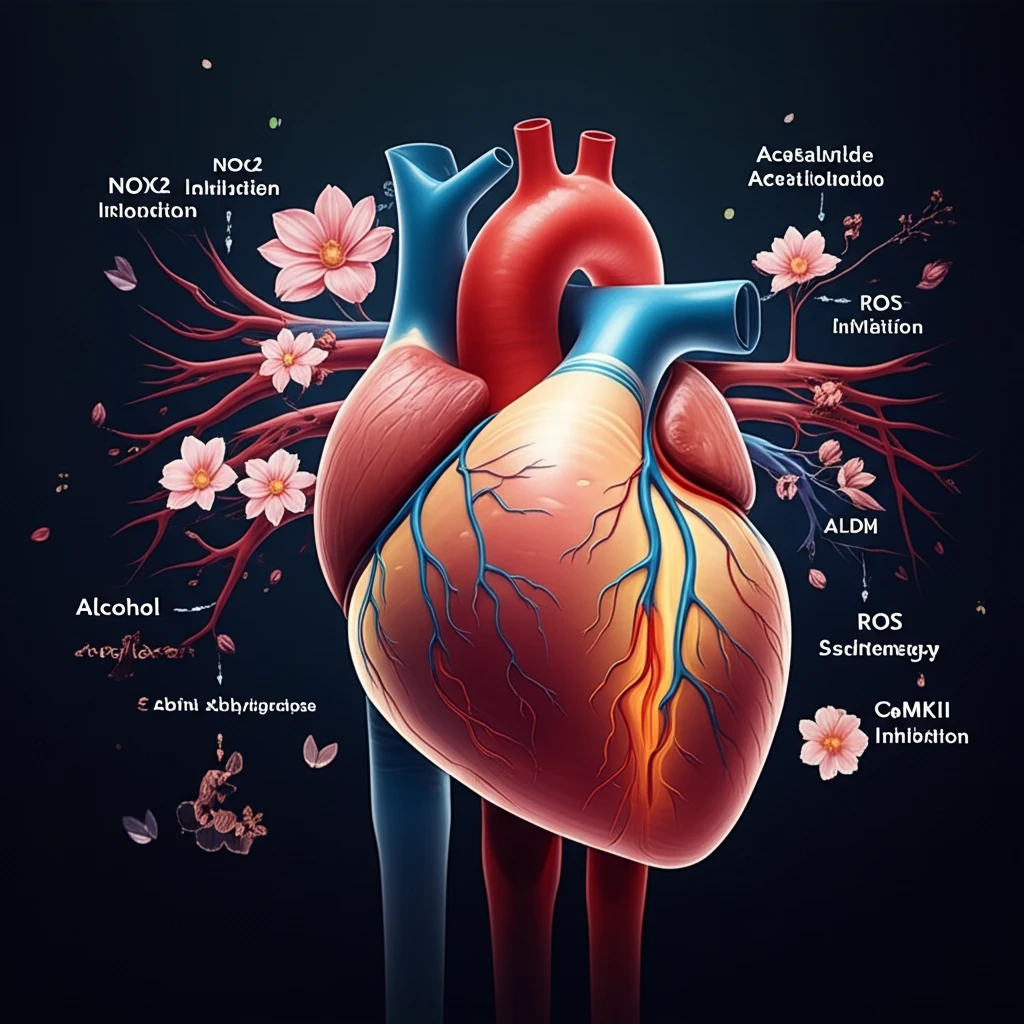
Illustration depicting the complex relationship between alcohol and heart health, with visual representations of both positive and negative outcomes.

Beyond the Buzz: How Alcohol Shapes Your Heart Health (and What You Can Do)

"From Weekend Cocktails to Long-Term Risks: Understanding the Complex Link Between Alcohol Consumption and Your Cardiovascular Well-being"


In a world where social gatherings often revolve around a clinking glass, it's easy to overlook the quiet impact alcohol has on our bodies. While a moderate drink might seem harmless, the truth is far more nuanced, especially when it comes to your heart. The relationship between alcohol consumption and cardiovascular health is complex, with potential benefits and significant risks. This article delves into the science-backed facts, helping you understand how alcohol interacts with your heart and what steps you can take to protect it.

This isn't about preaching abstinence; it's about awareness and informed choices. We'll explore the latest research, separating myth from reality, and providing practical guidance to help you navigate alcohol consumption in a heart-healthy way. Whether you enjoy a regular glass of wine or only drink occasionally, understanding the potential effects is the first step toward safeguarding your cardiovascular health.

The goal is to empower you with knowledge, not judgment. We aim to provide a balanced perspective, acknowledging both the potential risks and the complexities of this common habit. By the end of this article, you'll have a clearer understanding of how alcohol affects your heart and the tools to make choices that support your long-term well-being.

The Two Sides of the Coin: Alcohol's Impact on Your Heart

Illustration depicting the complex relationship between alcohol and heart health, with visual representations of both positive and negative outcomes.

The effects of alcohol on the heart are multifaceted, and the outcomes depend heavily on how much and how often you drink. Light to moderate drinking (generally defined as up to one drink per day for women and up to two drinks per day for men) has sometimes been linked to a lower risk of heart disease. However, this is not a universal truth, and the benefits are often overstated. Any potential advantages must be weighed against the potential risks, and it's essential to consider individual factors and lifestyle choices.

Excessive alcohol consumption, on the other hand, poses significant dangers. Chronic heavy drinking can lead to a range of serious heart problems. These include alcoholic cardiomyopathy, a condition where the heart muscle weakens and enlarges, leading to heart failure. Heavy drinking also increases the risk of high blood pressure, high triglycerides, and irregular heartbeats (arrhythmias), such as atrial fibrillation, all of which strain the heart and increase the risk of cardiovascular events.

  • Light to Moderate Drinking: May be associated with a slightly lower risk of heart disease, but benefits are not guaranteed and depend on various factors.
  • Heavy Drinking: Significantly increases the risk of alcoholic cardiomyopathy, high blood pressure, high triglycerides, and arrhythmias.
  • Binge Drinking: Even occasional binge drinking (four or more drinks in a short period for women, and five or more for men) can trigger arrhythmias and other acute heart problems.
Beyond the direct effects on the heart, alcohol consumption can also indirectly harm cardiovascular health. It can lead to weight gain, as alcoholic beverages are often high in calories, and contribute to unhealthy lifestyle choices, such as poor diet and lack of exercise. These factors further increase the risk of heart disease. Understanding these various impacts is crucial for making informed decisions about alcohol and its role in your life.

Making Informed Choices for a Heart-Healthy Life

The relationship between alcohol and heart health is complex, but knowledge is power. By understanding the potential risks and benefits, you can make informed choices that support your cardiovascular well-being. This might involve moderating your alcohol consumption, choosing healthier beverages, or consulting with a healthcare professional about your individual risk factors. Remember, you're in control of your health journey, and every step you take towards a heart-healthy lifestyle is a valuable investment in your future. Take care of your heart – it takes care of you!

About this Article -

This article was crafted using a human-AI hybrid and collaborative approach. AI assisted our team with initial drafting, research insights, identifying key questions, and image generation. Our human editors guided topic selection, defined the angle, structured the content, ensured factual accuracy and relevance, refined the tone, and conducted thorough editing to deliver helpful, high-quality information.See our About page for more information.

Everything You Need To Know

1

How does light to moderate drinking affect heart health?

Light to moderate drinking, defined as up to one drink per day for women and up to two drinks per day for men, has been linked to a potentially lower risk of heart disease in some instances. However, these benefits aren't guaranteed and can be overstated. Individual factors and lifestyle choices significantly impact the outcome. This implies that factors such as genetics, diet, and exercise habits can either amplify or diminish any potential protective effects from light to moderate alcohol consumption. The science does not suggest that everyone who drinks moderately will experience heart health benefits, and it's crucial to weigh any potential advantages against the risks, especially given alternative and proven methods for heart health, like diet and exercise.

2

What are the specific heart-related risks associated with heavy alcohol consumption?

Heavy alcohol consumption poses significant risks to heart health. It can lead to alcoholic cardiomyopathy, a condition where the heart muscle weakens and enlarges, potentially resulting in heart failure. Additionally, heavy drinking increases the risk of developing high blood pressure, high triglycerides, and arrhythmias like atrial fibrillation. All of these conditions strain the heart and elevate the risk of cardiovascular events. It's essential to remember that these risks often develop over time with chronic heavy drinking. Further, the effects can be amplified by other lifestyle factors, such as poor diet and lack of exercise, creating a synergistic negative impact on cardiovascular health.

3

What is alcoholic cardiomyopathy, and how does alcohol cause it?

Alcoholic cardiomyopathy is a condition where the heart muscle weakens and enlarges due to chronic heavy alcohol consumption. This weakening impairs the heart's ability to pump blood effectively, potentially leading to heart failure. The exact mechanisms by which alcohol causes this are complex and not fully understood, but it's believed that alcohol and its metabolites have a direct toxic effect on heart muscle cells. This condition is a serious consequence of prolonged excessive drinking and highlights the importance of moderation and awareness of the long-term impacts of alcohol on cardiovascular health. The damage from alcoholic cardiomyopathy can sometimes be reversed with abstinence from alcohol, particularly in the early stages, underscoring the importance of early detection and intervention.

4

What is considered binge drinking, and what are its potential effects on the heart, even if it's not a regular habit?

Binge drinking is defined as consuming four or more drinks in a short period for women and five or more drinks for men. Even if not a regular habit, occasional binge drinking can trigger arrhythmias and other acute heart problems. This sudden overconsumption of alcohol can disrupt the heart's electrical activity, leading to irregular heartbeats. While the long-term effects of occasional binge drinking may not be as severe as chronic heavy drinking, these acute episodes can still pose risks, particularly for individuals with pre-existing heart conditions or other risk factors. The immediate stress on the cardiovascular system from binge drinking highlights the importance of responsible alcohol consumption, even on an infrequent basis.

5

Beyond the direct effects on the heart, how else can alcohol consumption indirectly impact cardiovascular health?

Beyond the direct effects on the heart, alcohol consumption can indirectly harm cardiovascular health through several mechanisms. Alcoholic beverages are often high in calories, which can lead to weight gain. Excess weight increases the risk of heart disease. Furthermore, alcohol consumption can contribute to unhealthy lifestyle choices such as poor diet and lack of exercise. These indirect effects underscore the importance of considering the broader lifestyle context when evaluating the impact of alcohol on heart health. Addressing these indirect factors is essential for promoting overall cardiovascular well-being.

Newsletter Subscribe

Subscribe to get the latest articles and insights directly in your inbox.