
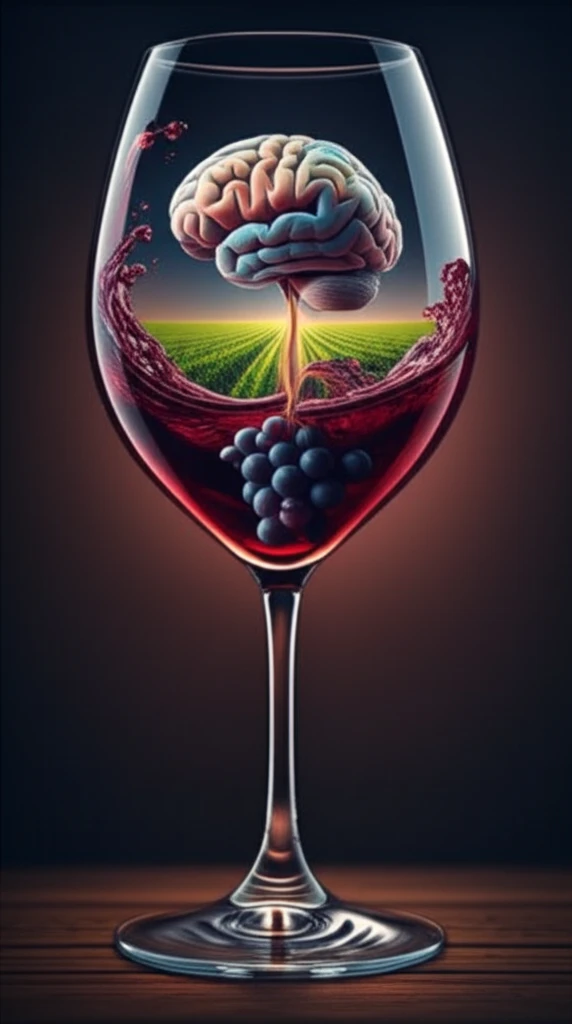
Illustration of wine glass, grapes, vineyard, and brain symbolizing wine and sensory perception.

Beyond the Buzz: Decoding the Science Behind Wine's Alcohol Content and Your Senses

"From Grape to Glass: How Alcohol Levels Shape Your Wine Experience and What You Need to Know."


For wine lovers, the sensory experience is a complex dance of aromas, flavors, and textures. But have you ever stopped to consider the role of alcohol in this intricate performance? Beyond its intoxicating effects, alcohol is a key player in how we perceive and enjoy a glass of wine, influencing everything from the initial sniff to the lingering finish.

This isn't just about getting tipsy. The alcohol content in wine directly affects its taste, texture (or 'mouthfeel'), and even how we experience other flavors. And as winemaking practices evolve and consumer preferences shift, understanding the science behind alcohol levels becomes increasingly important.

This article explores the fascinating relationship between wine and alcohol, breaking down how it's made, how it impacts our senses, and how winemakers are navigating the trends of lower-alcohol wines. Whether you're a seasoned sommelier or a curious beginner, prepare to deepen your appreciation for the art and science of wine.

From Vine to Wine: The Journey of Sugar and Alcohol

Illustration of wine glass, grapes, vineyard, and brain symbolizing wine and sensory perception.

The story of alcohol in wine begins in the vineyard. As grapes ripen, they accumulate sugar, primarily glucose and fructose, created through photosynthesis in the leaves. This sugar is the raw material for alcoholic fermentation, the process by which yeast converts sugars into ethanol (alcohol) and carbon dioxide.

The amount of sugar in the grapes directly correlates to the potential alcohol level in the finished wine. Factors like grape variety, climate, and vineyard practices influence sugar accumulation. Warmer climates, for instance, tend to produce grapes with higher sugar levels, leading to wines with higher alcohol content. This is why wines from regions like California or Australia often have higher alcohol percentages than those from cooler European regions.

  • Grape Variety: Some varieties naturally accumulate more sugar.
  • Climate: Sunny, warm conditions boost sugar production.
  • Vineyard Practices: Techniques like irrigation and canopy management can affect sugar levels.
  • Winemaking Choices: The winemaker can influence alcohol through decisions like when to harvest the grapes.
Winemakers carefully monitor sugar levels during the ripening process, using this information to predict the potential alcohol content and make informed decisions about harvest time. They aim for a balance: enough sugar for desirable alcohol levels, but not so much that the wine becomes unbalanced or loses its other desirable qualities.

The Future of Wine: Balancing Flavor, Alcohol, and Consumer Expectations

The world of wine is constantly evolving, with winemakers and researchers exploring new ways to create balanced, enjoyable wines that appeal to a wide range of tastes and preferences. By understanding the science behind alcohol's role in the wine experience, consumers can make more informed choices and further appreciate the art and science of the perfect glass.

About this Article -

This article was crafted using a human-AI hybrid and collaborative approach. AI assisted our team with initial drafting, research insights, identifying key questions, and image generation. Our human editors guided topic selection, defined the angle, structured the content, ensured factual accuracy and relevance, refined the tone, and conducted thorough editing to deliver helpful, high-quality information.See our About page for more information.

This article is based on research published under:

DOI-LINK: 10.3390/beverages1040292, Alternate LINK

Title: From Sugar Of Grape To Alcohol Of Wine: Sensorial Impact Of Alcohol In Wine

Subject: Food Science

Journal: Beverages

Publisher: MDPI AG

Authors: António Jordão, Alice Vilela, Fernanda Cosme

Published: 2015-11-02

Everything You Need To Know

1

How does the alcohol content in wine influence the overall sensory experience?

The alcohol content significantly impacts the sensory experience of wine, influencing its taste, texture (mouthfeel), and the perception of other flavors. It contributes to the wine's 'warming' sensation and affects the lingering finish. The science behind alcohol levels is essential for wine lovers and winemakers alike to appreciate the art in wine creation.

2

What is the primary process by which alcohol is produced in wine, and what are the key ingredients involved?

Alcoholic fermentation is the process where yeast converts sugars, primarily glucose and fructose, found in grapes into ethanol (alcohol) and carbon dioxide. The amount of sugar in the grapes directly affects the potential alcohol level in the finished wine.

3

What factors influence the sugar levels in grapes, and how do these factors affect the potential alcohol content of the wine?

Several factors influence sugar levels in grapes, including grape variety, climate, and vineyard practices. Warmer climates tend to produce grapes with higher sugar levels, leading to higher alcohol content. Also, winemaking choices, such as when to harvest the grapes, play a role in the final alcohol levels.

4

How do winemakers monitor and manage sugar levels in grapes to achieve balanced alcohol content in wine, and why is this balance important?

Winemakers carefully monitor sugar levels during ripening to predict potential alcohol content and decide when to harvest. They aim for a balance, ensuring enough sugar for desired alcohol levels without compromising the wine's other qualities. Balancing flavor, alcohol, and consumer expectations is what the wine world is aiming for.

5

In what ways are winemakers and researchers working to create balanced, enjoyable wines that cater to diverse consumer preferences regarding alcohol content, and what implications does this have for the future of wine production?

Winemakers and researchers are exploring new methods to create balanced wines that appeal to a wide range of tastes. This involves understanding how alcohol affects the wine experience, allowing consumers to make informed choices. This effort to evolve and create the perfect glass contributes to a shift in consumer choices and preferences.

Newsletter Subscribe

Subscribe to get the latest articles and insights directly in your inbox.