
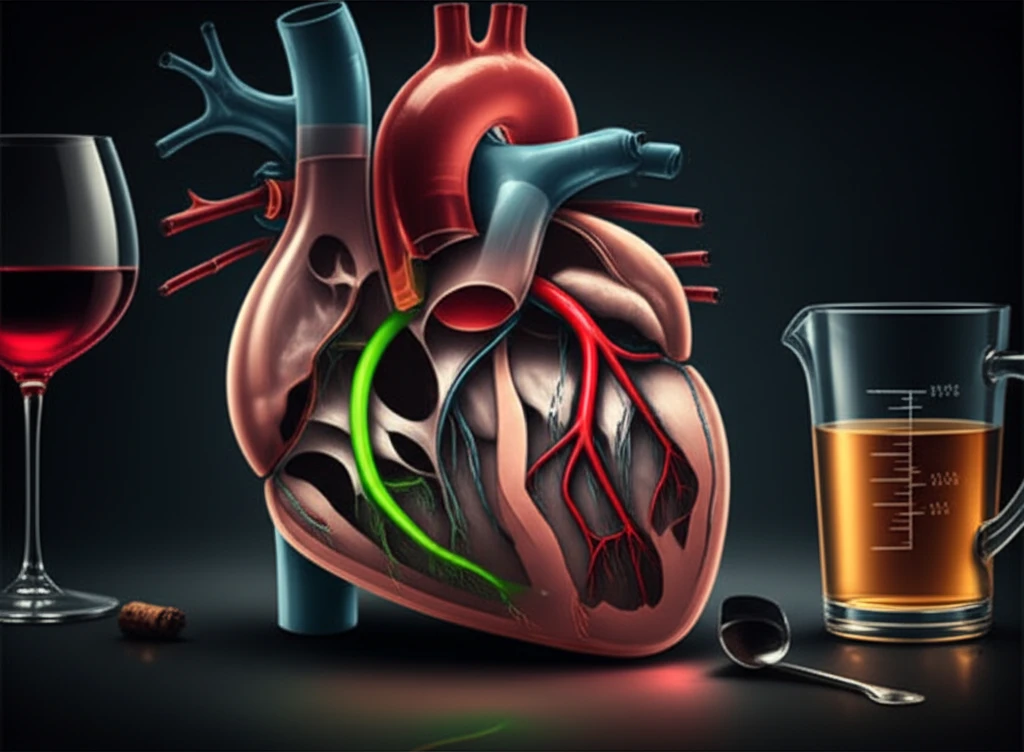
Beyond the Brew: How Alcohol Affects Your Heart and What You Can Do

"From Happy Hour to Heart Health: Understanding the Risks and Taking Control"
We all know that a little indulgence can be part of a balanced lifestyle. But when it comes to alcohol, the line between enjoyment and health risk can be surprisingly blurry. Whether you're a social sipper or someone who enjoys a regular drink, it's crucial to understand how alcohol affects your heart. Recent research unveils some eye-opening facts about the impact of alcohol on your cardiovascular system, from the immediate effects of a night out to the long-term risks associated with chronic consumption.
This isn't about preaching abstinence. Instead, it's about empowering you with knowledge. We'll explore the scientific evidence behind how alcohol impacts your heart, separating fact from fiction. You'll gain insights into the specific mechanisms at play, the potential dangers, and most importantly, what you can do to protect your heart health. This article will help you make informed decisions and take proactive steps towards a healthier heart.
The goal is simple: to provide you with the information you need to make choices that support your overall well-being. We'll translate complex medical research into accessible, easy-to-understand terms, offering practical advice you can apply to your daily life. Let's dive into the fascinating world of heart health and alcohol, and uncover the secrets to a healthier, happier you.
The Science of Alcohol and Your Heart: Unpacking the Effects
Alcohol's effects on the heart are multifaceted, influencing everything from the electrical impulses that regulate your heartbeat to the very structure of your heart muscle. At a basic level, alcohol can disrupt the normal functioning of your heart cells, known as cardiomyocytes. This disruption can lead to a variety of problems, ranging from irregular heart rhythms (arrhythmias) to weakened heart muscle (cardiomyopathy).
- Arrhythmias: Alcohol can trigger irregular heartbeats, such as atrial fibrillation, which can increase the risk of stroke.
- Cardiomyopathy: Long-term, heavy drinking can weaken and enlarge the heart, leading to heart failure.
- High Blood Pressure: Alcohol consumption can raise blood pressure, a major risk factor for heart disease and stroke.
- Other Risks: Alcohol can negatively affect cholesterol levels and contribute to weight gain, further increasing cardiovascular risk.
Taking Control: Steps to Protect Your Heart While Enjoying Life
Understanding the effects of alcohol on your heart is the first step towards protecting your health. By being mindful of your drinking habits, you can significantly reduce your risk of alcohol-related heart problems. Remember, this isn't about eliminating enjoyment; it's about making informed choices that align with a healthy lifestyle. With awareness and the right steps, you can continue to savor life's moments while keeping your heart in top condition.