
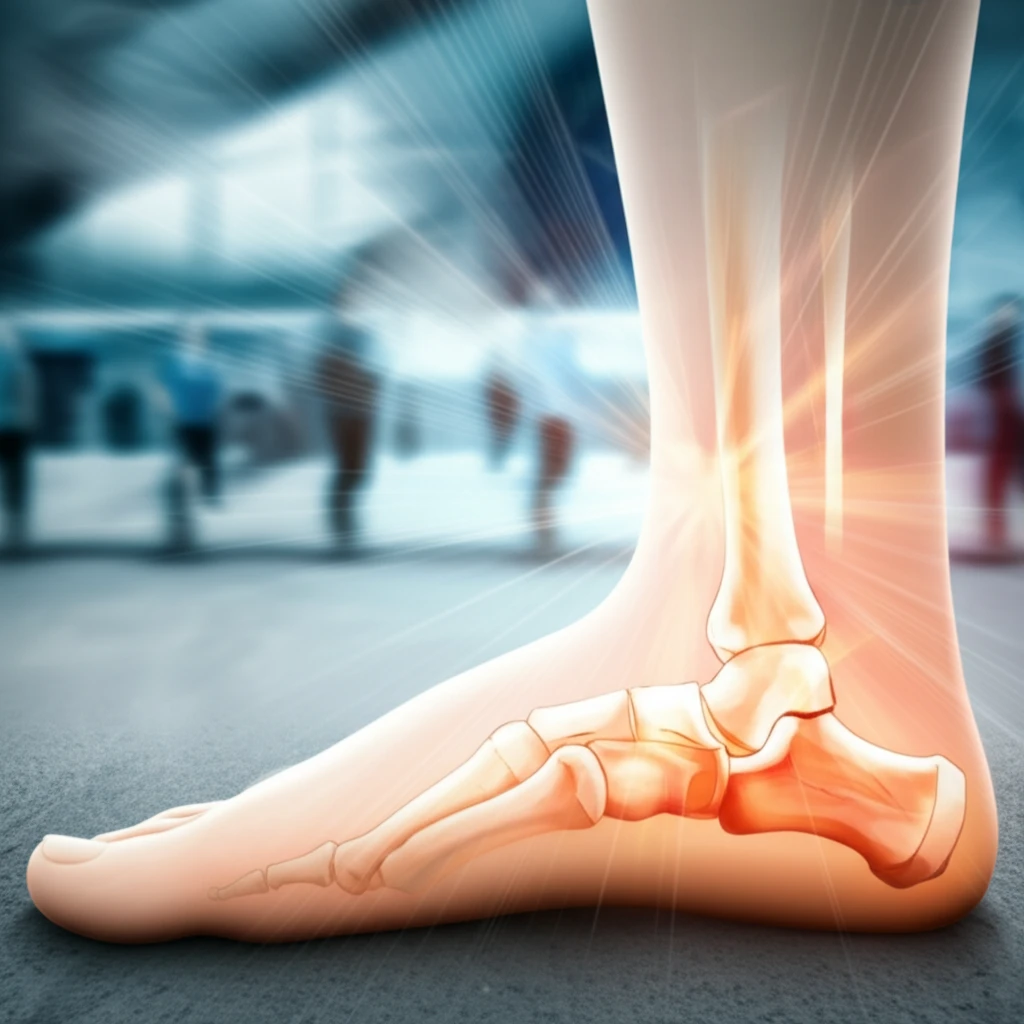
Illustration of a foot with a healing calcaneus fracture, representing recovery and resilience.

Beyond the Break: Unraveling the Mystery of Calcaneus Fracture Recovery

"From Trauma to Triumph: Understanding Your Path to Healing After a Calcaneus Fracture"


A calcaneus fracture, more commonly known as a broken heel, can be a life-altering injury. This break isn't just about physical pain; it disrupts daily routines, impacts mobility, and often brings a wave of emotional challenges. If you're navigating this difficult path, or supporting a loved one who is, this article is designed to guide you through the complexities of calcaneus fractures, offering clarity and support every step of the way.

We'll delve into the causes, diagnosis, and various treatment options, dispelling common misconceptions and providing evidence-based information. This isn't just a medical overview; it's a compassionate exploration of the recovery process, answering your pressing questions and offering hope for a full, active life after a calcaneus fracture.

Drawing insights from extensive research, we aim to equip you with knowledge and empower you to make informed decisions. The focus is on understanding the journey, anticipating potential challenges, and celebrating every milestone on the road to recovery. Let's embark on this journey together, turning a moment of fracture into a story of resilience and triumph.

Deciphering the Calcaneus Fracture: Understanding the Injury

Illustration of a foot with a healing calcaneus fracture, representing recovery and resilience.

The calcaneus, or heel bone, is the largest bone in the foot, acting as a crucial shock absorber and providing stability. A calcaneus fracture typically occurs due to high-impact events, such as falls from a height, motor vehicle accidents, or sports injuries. These fractures vary in severity, ranging from minor cracks to severe breaks involving multiple fragments. Understanding the nature of the fracture is the first step towards effective treatment and recovery.

Diagnosis usually involves a physical examination and imaging techniques, such as X-rays or CT scans. These tools help doctors assess the fracture's location, severity, and displacement. This assessment is essential for determining the most appropriate treatment approach, be it non-surgical or surgical. Knowing the specific type of fracture helps in anticipating the healing process and potential complications.

  • Causes: High-impact injuries like falls or car accidents.
  • Symptoms: Immediate pain, swelling, bruising, and difficulty bearing weight.
  • Diagnosis: Physical exam and imaging (X-rays, CT scans) to assess the fracture.
While a calcaneus fracture can be a frightening experience, it's crucial to remember that it's treatable. With proper care and rehabilitation, most individuals regain full or near-full function of their foot. This article offers you clarity, and guides you on your journey to healing and recovery.

Your Path Forward

Recovery from a calcaneus fracture is a journey that requires patience, dedication, and a supportive network. Armed with knowledge and a positive attitude, you can overcome this challenge and reclaim your active life. Embrace the process, celebrate your achievements, and never hesitate to seek guidance. Your resilience is key. This article is to help guide you with the information to help you succeed.

About this Article -

This article was crafted using a human-AI hybrid and collaborative approach. AI assisted our team with initial drafting, research insights, identifying key questions, and image generation. Our human editors guided topic selection, defined the angle, structured the content, ensured factual accuracy and relevance, refined the tone, and conducted thorough editing to deliver helpful, high-quality information.See our About page for more information.

This article is based on research published under:

DOI-LINK: 10.1007/s00113-018-0578-4, Alternate LINK

Title: Outcome Nach Operativer Therapie Von Kalkaneusfrakturen

Subject: Orthopedics and Sports Medicine

Journal: Der Unfallchirurg

Publisher: Springer Science and Business Media LLC

Authors: J. Evers, M. Oberste, D. Wähnert, N. Grüneweller, B. Wieskötter, A. Milstrey, M. J. Raschke, S. Ochman

Published: 2018-11-06

Everything You Need To Know

1

What exactly is a calcaneus fracture, and what makes it such a disruptive injury?

A calcaneus fracture, commonly known as a broken heel, involves a break in the calcaneus, the largest bone in the foot. The calcaneus is crucial for shock absorption and stability. This type of fracture is disruptive because it impacts mobility, daily routines, and often presents emotional challenges. The severity can range from minor cracks to breaks with multiple fragments, necessitating a comprehensive treatment and recovery approach.

2

What are the primary causes and immediate symptoms one might experience after sustaining a calcaneus fracture?

Calcaneus fractures typically result from high-impact events such as falls from a height, motor vehicle accidents, or sports injuries. Immediate symptoms include intense pain, swelling, bruising around the heel, and significant difficulty in bearing weight on the affected foot. Diagnosis usually involves a physical examination and imaging techniques like X-rays or CT scans to assess the fracture's severity and location.

3

How is a calcaneus fracture diagnosed, and why are X-rays and CT scans so important in this process?

Diagnosis of a calcaneus fracture involves a physical examination followed by imaging techniques such as X-rays and CT scans. X-rays provide an initial view of the fracture, revealing its location and basic characteristics. CT scans offer more detailed, cross-sectional images, which are essential for assessing the fracture's complexity, displacement, and involvement of the joints. This detailed assessment is crucial for determining the most appropriate treatment plan, whether surgical or non-surgical.

4

What are some common misconceptions about calcaneus fractures, and what should individuals really focus on during their recovery?

One common misconception is that all calcaneus fractures require surgery; however, treatment depends on the fracture's severity and displacement. A key focus during recovery should be on patience and dedication to the rehabilitation process. It's also essential to maintain a positive attitude and build a supportive network. Knowledge and proactive decision-making are important, as is celebrating milestones and seeking guidance when needed to ensure a successful return to an active life.

5

Given that the calcaneus acts as a crucial shock absorber, what are the potential long-term implications of a calcaneus fracture if not properly treated and rehabilitated?

If a calcaneus fracture is not properly treated and rehabilitated, the long-term implications can include chronic pain, reduced mobility, and the development of arthritis in the affected foot. Because the calcaneus is a primary shock absorber, any lasting structural damage can affect the biomechanics of the entire foot and ankle, potentially leading to pain and instability. Proper management, including appropriate treatment and a thorough rehabilitation program, is essential to minimize these risks and optimize long-term function.

Newsletter Subscribe

Subscribe to get the latest articles and insights directly in your inbox.