
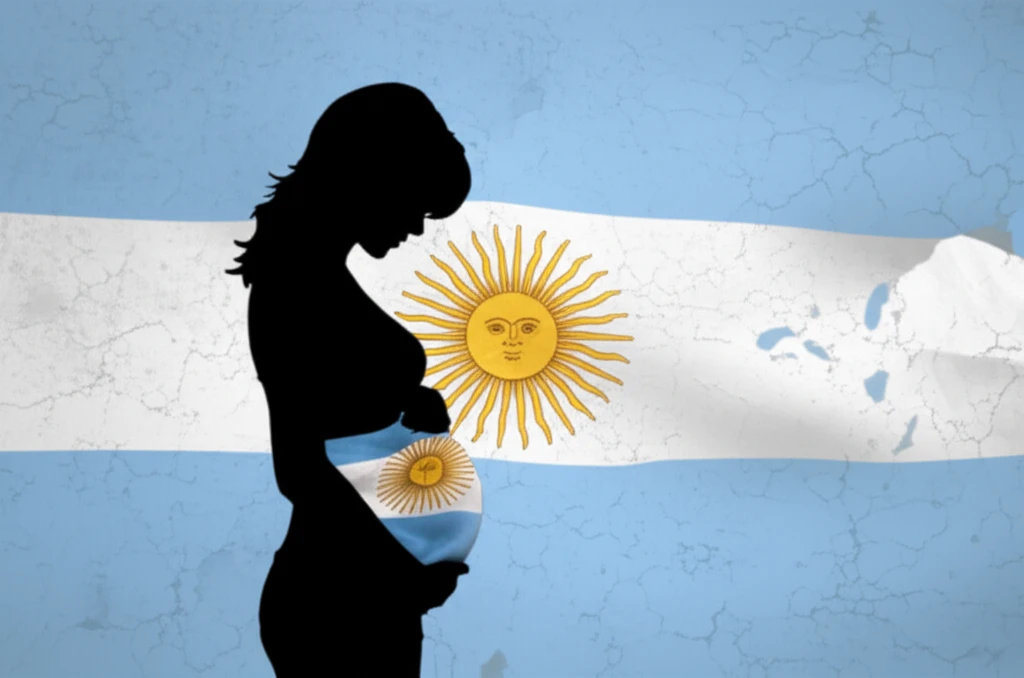
Beyond the Blues: Unmasking Postpartum Depression in Argentina

"A new study sheds light on the prevalence and risk factors of postpartum depression among low-income women in Argentina, highlighting the urgent need for better screening and support systems."
The arrival of a new baby is often celebrated as a joyous occasion. However, for many women, this period can be overshadowed by postpartum depression (PPD), a condition characterized by persistent sadness, anxiety, and fatigue that can significantly impact their well-being and their ability to care for their child. While PPD is a global concern, its prevalence and contributing factors can vary significantly across different cultures and socioeconomic groups.
A recent study conducted in Tucumán, Argentina, sheds light on the challenges faced by low-income women in the region, revealing a surprisingly high rate of postpartum depression and identifying key factors that contribute to this often-underdiagnosed condition. This article will explore the findings of this research, highlighting the urgent need for improved screening, support, and culturally sensitive interventions to address PPD in Argentina and similar settings.
By understanding the specific risk factors and cultural influences at play, we can work towards creating more effective strategies to identify and support women struggling with PPD, ensuring a healthier start for both mothers and their children.
A Closer Look at Postpartum Depression in Argentina: Unveiling the Numbers and Key Risk Factors
The study, conducted at a public maternity hospital in Tucumán, Argentina, involved 539 women from low socioeconomic backgrounds. Researchers used the Edinburgh Postpartum Depression Scale (EPDS) to assess the prevalence of PPD at 4 weeks postpartum. The findings revealed that a significant proportion of women screened positive for depression:
- 31.0% of mothers screened positive for PPD using an EPDS score of 10 or higher.
- 18.4% screened positive using a higher cutoff score of 13, indicating increased severity of depressive symptoms.
- A concerning 4.3% of women reported thoughts of self-harm.
Moving Forward: Addressing the Urgent Need for Improved Screening and Support
This study provides valuable insights into the prevalence and risk factors of PPD among low-income women in Argentina, underscoring the urgent need for improved screening and support systems. The findings highlight the importance of considering socioeconomic factors, personal psychiatric history, and experiences during pregnancy and childbirth when assessing a woman's risk for PPD.
To effectively address this critical issue, several key steps should be taken:
Ultimately, by prioritizing maternal mental health and implementing culturally sensitive interventions, we can create a brighter future for mothers and children in Argentina and beyond. Continued research and advocacy are essential to ensure that all women receive the support they need to thrive during the postpartum period.