
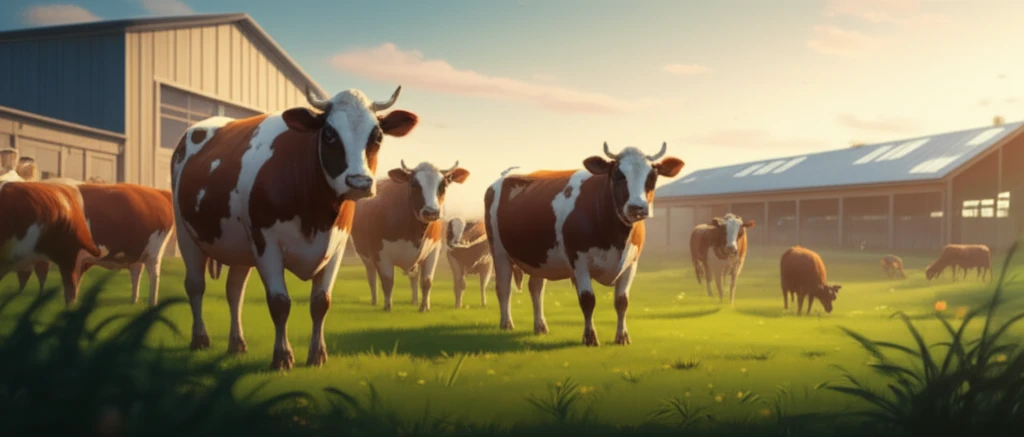
Illustration depicting a herd of happy cows in a green pasture with a modern farm building in the background. The image promotes ethical and sustainable farming practices.

Beyond the Blade: The Humane Revolution in Beef Production and What It Means for You

"Discover how cutting-edge techniques are transforming the beef industry, leading to more ethical practices and potentially better meat quality."


The beef industry, a cornerstone of the global food supply, is undergoing a significant transformation. Driven by evolving consumer values and a growing emphasis on animal welfare, producers are seeking innovative methods to raise cattle in a more ethical and sustainable manner. At the heart of this change lies a fascinating technique called immunocastration, which is reshaping the way we think about beef production.

Traditionally, castration has been a common practice in the beef industry. However, this procedure can cause pain and stress for the animals, raising ethical concerns. Immunocastration, on the other hand, offers a humane alternative that uses the animal's own immune system to achieve similar results, all while potentially improving meat quality and making handling easier.

This article will explore the science behind immunocastration, its benefits for both the animals and the industry, and what this means for you, the consumer. We'll look at how this innovative approach is paving the way for a more compassionate and sustainable future for beef production, promising positive changes for the animals and the food on your table.

Immunocastration Unveiled: How It Works and Why It Matters

Illustration depicting a herd of happy cows in a green pasture with a modern farm building in the background. The image promotes ethical and sustainable farming practices.

Immunocastration is a process that involves stimulating an animal's immune system to produce antibodies against its own hormones, specifically those related to sexual development. This is typically achieved through a vaccine containing a modified version of a hormone called gonadotropin-releasing factor (GnRF). The animal's body recognizes this modified hormone as a threat and creates antibodies to neutralize it.

These antibodies then target the animal's GnRF, preventing it from signaling the release of sex hormones like testosterone. The result? The animal's sexual behavior is reduced, similar to traditional castration, but without the need for invasive surgery. This method is not only less stressful for the animals, but it also opens the door to better meat quality and more manageable handling in feedlots.

  • Reduced Stress: Animals experience less pain and stress compared to surgical castration.
  • Improved Behavior: Decreased aggression and unwanted sexual behaviors, making handling safer.
  • Enhanced Meat Quality: Potential for improved meat tenderness and quality.
  • Ethical Considerations: Aligns with growing consumer demand for humane farming practices.
The shift towards immunocastration represents a win-win for both the animals and the beef industry, creating a more compassionate and sustainable approach to food production. But, how does it translate into real-world benefits?

Looking Ahead: The Future of Humane Beef Production

Immunocastration is a promising step forward in the quest for a more humane and sustainable beef industry. As research continues and adoption rates increase, we can expect even greater benefits for both animals and consumers. This innovative approach is a testament to the power of scientific advancements and a growing commitment to ethical food production, shaping a future where our food choices align with our values.

About this Article -

This article was crafted using a human-AI hybrid and collaborative approach. AI assisted our team with initial drafting, research insights, identifying key questions, and image generation. Our human editors guided topic selection, defined the angle, structured the content, ensured factual accuracy and relevance, refined the tone, and conducted thorough editing to deliver helpful, high-quality information.See our About page for more information.

Everything You Need To Know

1

What exactly is immunocastration and how does it differ from traditional castration methods in beef production?

Immunocastration is a humane alternative to traditional castration. It involves stimulating an animal's immune system to produce antibodies against its own gonadotropin-releasing factor (GnRF) hormone, which reduces sexual behavior without invasive surgery. Traditional castration, on the other hand, involves the physical removal or disruption of the testicles, which can cause pain and stress. Immunocastration offers a less stressful approach while still achieving the desired reduction in testosterone levels. While traditional castration directly removes the source of testosterone, immunocastration uses the animal's immune system to block the effects of GnRF, indirectly reducing testosterone production. Missing in this comparison is the economic impact of each method, and the long-term health effects on the animal of each.

2

What are the primary benefits of using immunocastration in beef production, specifically in terms of animal welfare and meat quality?

The primary benefits of immunocastration include reduced stress for the animals, improved behavior, and enhanced meat quality. Animals experience less pain and stress compared to surgical castration. Decreased aggression and unwanted sexual behaviors make handling safer. There is potential for improved meat tenderness and quality. From an ethical view, it aligns with growing consumer demand for humane farming practices. Further studies could explore the precise changes in meat composition and the effects on different breeds of cattle, as well as consumer acceptance of immunocastration-produced beef.

3

How does immunocastration work at a biological level, and what role does gonadotropin-releasing factor (GnRF) play in the process?

Immunocastration works by stimulating the animal's immune system to create antibodies that target gonadotropin-releasing factor (GnRF). A vaccine containing a modified version of GnRF is administered, prompting the animal's body to recognize it as a threat. The antibodies produced then bind to the animal's own GnRF, preventing it from signaling the release of sex hormones like testosterone. Without GnRF signaling properly, the animal exhibits reduced sexual behavior. The specific vaccine formulation and the timing of administration are critical for the effectiveness of immunocastration. Details not included are the antibody response variations among individual animals and how these variations affect the outcome.

4

What are the potential implications of immunocastration for the future of the beef industry and how might it shape consumer choices?

Immunocastration represents a move towards a more humane and sustainable beef industry. As adoption rates increase, there will be greater benefits for both animals and consumers. This innovative approach aligns food choices with ethical values, potentially leading to increased consumer demand for beef produced using immunocastration. It could also influence industry standards and practices, encouraging wider adoption of humane farming methods. A potential implication not discussed is the impact on the cost of beef production and whether consumers are willing to pay a premium for immunocastration-produced beef. Also not covered is the potential for export/import restrictions for certain regions, based on beef production method.

5

Besides the direct benefits to animals, does immunocastration offer any advantages in terms of feedlot management or overall sustainability of beef production?

Yes, immunocastration offers advantages beyond animal welfare. The reduction in aggressive and sexual behaviors makes handling easier and safer in feedlot environments. This can lead to reduced injuries among animals and improved worker safety. Moreover, immunocastration can potentially contribute to the sustainability of beef production by improving feed efficiency and reducing the environmental impact associated with traditional castration methods. Missing information includes the specific data on feed efficiency improvements and a detailed analysis of the environmental benefits, such as reduced greenhouse gas emissions or improved land use. Also not described is how to manage possible side effects of the immunocastration.

Newsletter Subscribe

Subscribe to get the latest articles and insights directly in your inbox.