
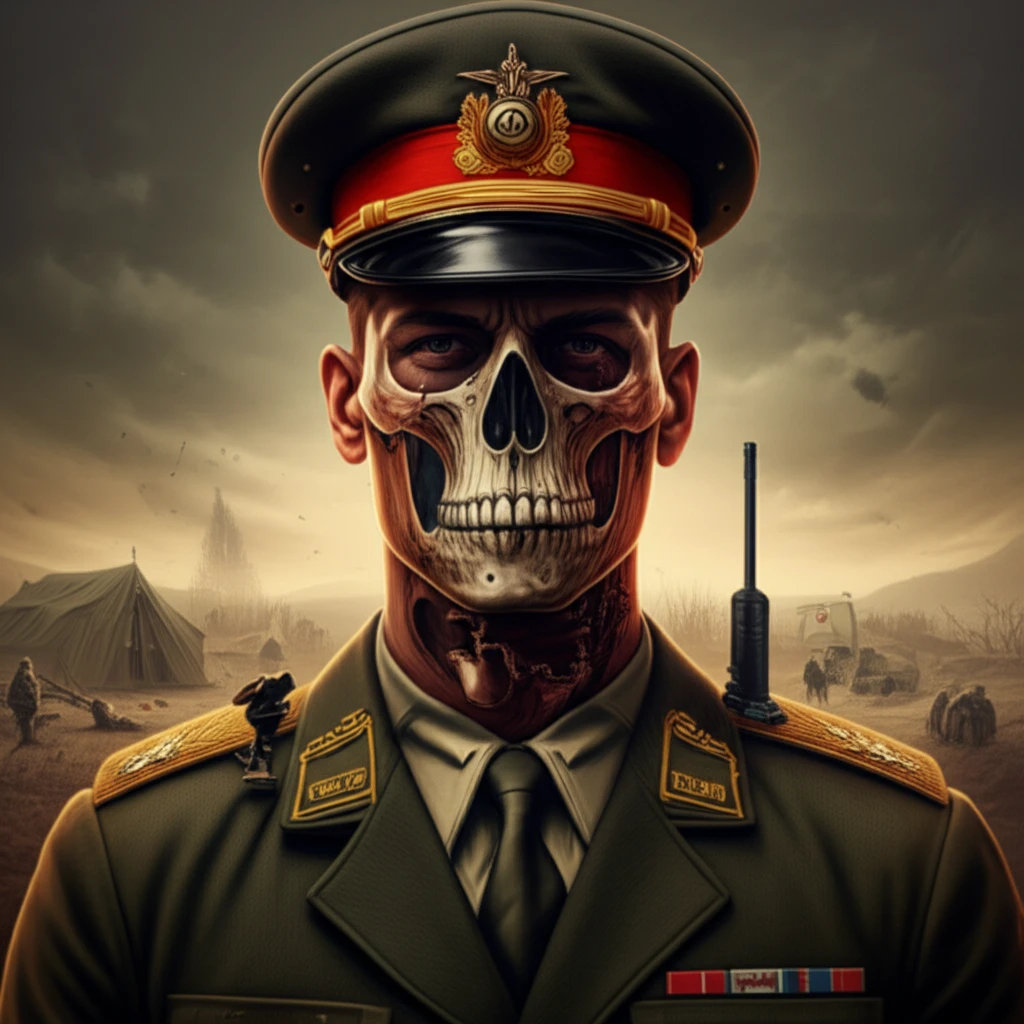
Beyond the Battlefield: Unveiling the Hidden Scars of War on Military Personnel

"A Deep Dive into Oral and Maxillofacial Injuries in Iraq and Afghanistan: Understanding the Impact and Seeking Solutions"
War's impact extends far beyond the visible wounds of battle. For those who serve, the physical and psychological scars can manifest in unexpected ways, often impacting their quality of life long after they return home. One area that frequently goes unnoticed is the realm of oral and maxillofacial injuries—damage to the face, jaw, and mouth—which can have profound implications for overall health and well-being.
This article examines the prevalence of these injuries among U.S. military personnel deployed to Iraq and Afghanistan between 2001 and 2014. Drawing on extensive research, we'll uncover the scope of these injuries, identify the services most affected, and highlight the need for increased awareness and improved care. By understanding the extent of the problem, we can work towards better support for those who have sacrificed so much.
The study, published in the journal Military Medicine, offers a critical look at the types of injuries sustained, the rates at which they occurred, and the services that experienced the highest burden. This data not only helps to quantify the scale of the issue but also provides valuable insights for future research and the development of more effective treatment strategies.
Decoding the Data: Key Findings on Oral and Maxillofacial Injuries
The research reveals a significant number of oral and maxillofacial injuries among military personnel during the conflicts in Iraq and Afghanistan. These injuries were not just a minor inconvenience; they often required extensive medical attention and could have lasting consequences. The data, compiled from the Department of Defense Trauma Registry (DoDTR), provides a comprehensive overview of the situation.
- High Incidence: Oral-maxillofacial injuries represented a significant portion of battle injuries, highlighting the risks faced by service members.
- Army's Dominance: The U.S. Army had the highest number of injuries.
- Marine Peaks: The Marines experienced the highest injury rates during the initial stages of OIF.
- Need for Resources: The study emphasizes the need for healthcare personnel near the battlefield to treat these injuries.
Looking Ahead: Enhancing Care and Support for Military Personnel
The findings of this study serve as a call to action. It underscores the need for increased attention to the oral and maxillofacial health of military personnel. Improved surveillance, more specialized medical training, and enhanced access to care are crucial steps. By acknowledging the hidden scars of war and providing comprehensive support, we can honor the sacrifices of our service members and help them rebuild their lives after their deployments.