
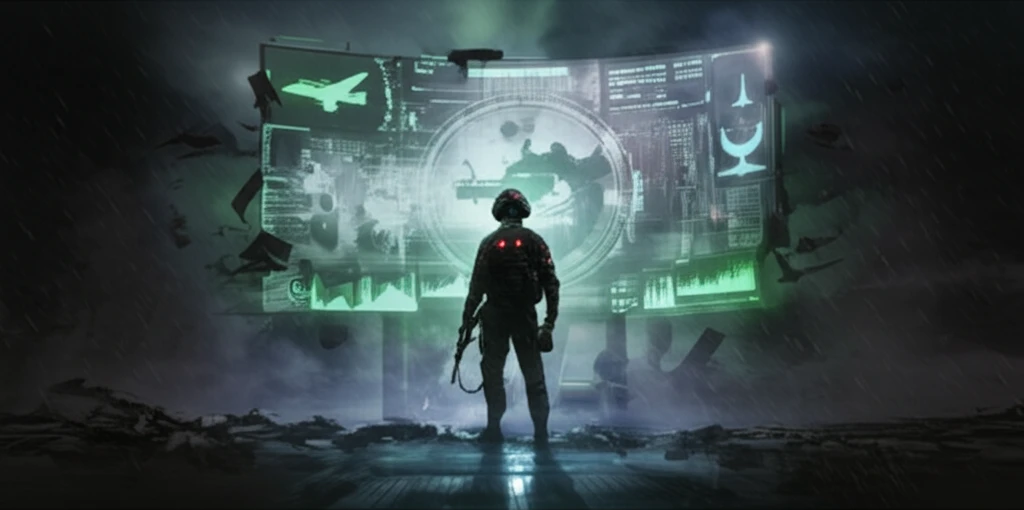
Beyond the Battlefield: How Military Video Games Shape Our Understanding of War

"Exploring the cultural impact of military-themed video games and their influence on players' perceptions of conflict and society."
Military video games have become a ubiquitous form of entertainment, offering players immersive experiences that simulate the realities of combat. Titles like Call of Duty, Battlefield, and Medal of Honor have captivated millions, blurring the lines between virtual warfare and real-world conflict. But beyond the adrenaline-fueled action, these games wield a significant cultural influence, shaping our perceptions of war, patriotism, and the military.
Matthew Thomas Payne's "Playing War: Military Video Games After 9/11" offers a critical lens through which to examine the complex relationship between these games and society. Payne's work delves into how military-themed video games have evolved since the events of 9/11, reflecting and reinforcing cultural attitudes towards war and national identity. His analysis encourages us to consider the subtle yet powerful ways these games shape our understanding of conflict.
This article will expand on Payne's insights, exploring the multifaceted impact of military video games. We will examine how these games influence players' perceptions of war, the ethical considerations they raise, and their potential to foster both critical thinking and uncritical acceptance of military narratives. By understanding the cultural significance of these games, we can engage in more informed discussions about their role in society.
The Scale of U.S. Military Presence
The United States Armed Forces comprise six distinct branches: the Army, Marine Corps, Navy, Air Force, Space Force, and Coast Guard, each with specific operational roles and domains established by federal law. Military.com reports serving millions of military-connected Americans who access benefits, news, and employment resources through their platform. The U.S. government provides comprehensive support including basic pay, pensions, survivor benefits, and healthcare for service members, veterans, and retirees. These figures underscore the substantial population of veterans and active personnel whose experiences inform how military video games are received and interpreted by audiences.
Current Military Reporting Landscape
Military news coverage, as exemplified by outlets like Military.com's Daily News section, focuses on gear, equipment, international developments, and breaking stories relevant to service members. This conventional approach to military reporting provides factual updates but may not capture the nuanced ways civilian audiences form perceptions of warfare through entertainment media. The gap between news-based military coverage and entertainment-based representations presents a methodological challenge for researchers studying cultural impact. Understanding how audiences consume both news and gaming content remains an underexplored area requiring interdisciplinary approaches.
Evolution of Military Entertainment
The intersection of military institutions and video game development has evolved over several decades, though precise milestones remain debated among scholars. Early military simulations developed for training purposes eventually influenced commercial game design, blurring lines between utilitarian tools and entertainment products. This historical trajectory suggests a reciprocal relationship where military needs and popular culture have shaped each other in ways that merit further scholarly investigation.
How Video Games Shape Perceptions of War
Military video games offer a unique form of engagement with the concept of war. Unlike traditional media like films or documentaries, games allow players to actively participate in virtual conflicts, making choices and experiencing the consequences of their actions. This interactive experience can create a sense of immersion and identification with the characters and narratives presented in the game.
- Sanitized Violence: The brutal realities of war are often toned down or omitted, creating a less disturbing and more palatable experience for players.
- Heroic Narratives: Games typically focus on the stories of soldiers, portraying them as courageous and selfless individuals fighting for a noble cause.
- Simplified Morality: Complex ethical dilemmas are often reduced to black-and-white choices, reinforcing simplistic views of good versus evil.
Emerging Scholarly Perspectives
Academic inquiry into military video games' cultural effects remains a developing field with various methodological approaches being explored. Researchers have begun examining how interactive entertainment media may influence public perceptions of conflict, though consensus on measurement frameworks is still evolving. The interdisciplinary nature of this research draws from game studies, military sociology, media psychology, and cultural theory, reflecting the complexity of the phenomenon under investigation.
Skepticism and Limitations
Critics of the thesis that military video games significantly shape war perceptions argue that players demonstrate ability to distinguish entertainment from reality. Some researchers caution against overstating media effects while acknowledging that longitudinal studies in this domain remain limited. The entertainment-education literature offers mixed findings on whether gameplay experiences translate into lasting attitude or belief changes regarding actual military operations.
Cross-Cultural and Cross-Media Comparisons
Comparing how different nations' video game industries represent military operations reveals varying cultural assumptions about warfare and national identity. The United States military branches—from the Army to the Space Force—each carry distinct institutional cultures that potentially influence how they are portrayed in commercial entertainment. Cross-media comparisons between news coverage, film, and interactive games suggest audiences may construct composite understandings of military reality from multiple sources rather than any single medium.
Engaging Critically with Military Video Games
Military video games are not inherently harmful, but it is crucial to engage with them critically. By understanding the ways in which these games shape our perceptions of war and the military, we can foster more informed discussions about conflict and its consequences. Parents, educators, and gamers themselves all have a role to play in promoting media literacy and encouraging critical thinking about the messages conveyed in these games. Only through careful consideration can we harness the potential of video games while mitigating their risks.
Integrating Perspectives
Synthesizing available evidence suggests that military video games exist within a broader ecosystem of military-related media and institutional communications. The relationship between entertainment representations and public understanding of war likely involves complex mediation factors rather than simple direct effects. Expert analysis in this area tends to emphasize nuance, acknowledging both the potential influence of interactive media and the resilience of audiences as active interpreters of content.
Directions for Future Study
Emerging technologies including virtual reality and artificial intelligence promise to further blur boundaries between military training applications and commercial entertainment products. Future research will likely need to address how immersive gaming experiences differ from traditional screen-based interactions in shaping perceptions of conflict. The growing sophistication of military simulation technology suggests continued relevance of scholarly attention to this intersection of defense interests and popular culture.
Structural Considerations
The systemic relationship between military institutions and entertainment industries raises questions about transparency, informed consent, and cultural production that extend beyond individual game titles. The infrastructure supporting millions of military-connected Americans, including those transitioning to civilian careers, exists alongside a entertainment industry that frequently draws upon military themes and imagery. Understanding these parallel systems requires attention to institutional interests, economic incentives, and cultural production patterns that shape available narratives about warfare.
Lived Experiences and Consequences
Behind the statistics of military populations and entertainment media consumption are individuals whose perceptions of war carry real consequences for democratic deliberation and policy preferences. The benefits systems supporting veterans and service members reflect societal commitments that exist in tension with popular entertainment's often glamorized portrayals of combat. How individuals navigate between these representations—benefits information, news coverage, and gaming experiences—ultimately shapes the human understanding of what military service entails and what wars mean in contemporary society.