
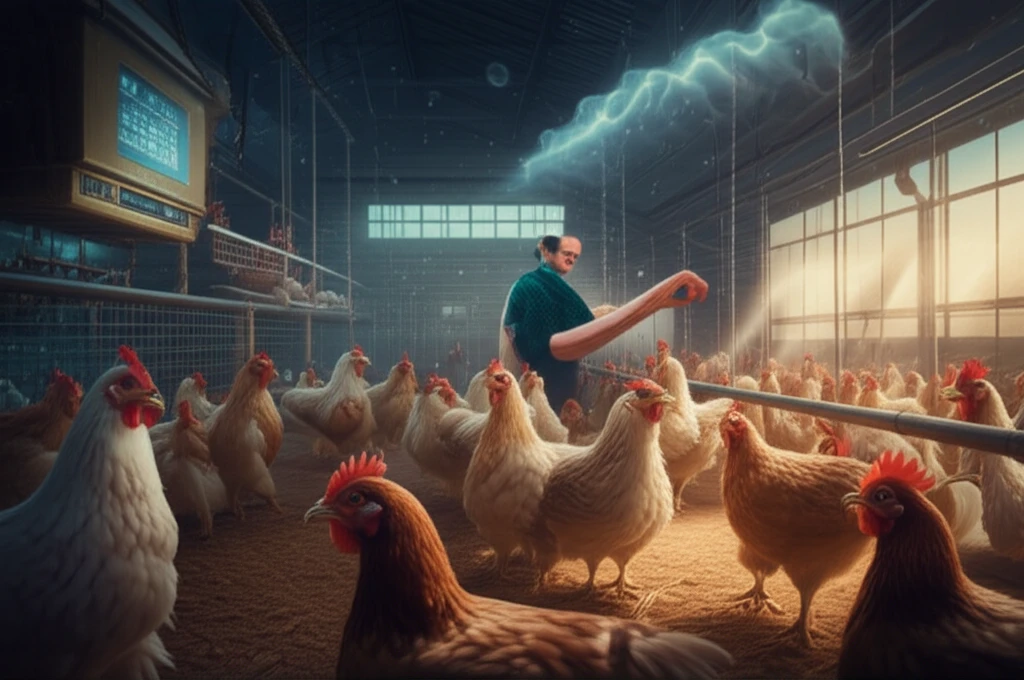
Beyond the Barn: How Air Quality in Poultry Farms Impacts Our Food and Health

"Understanding the invisible threats and why it matters to your plate and the planet."
In the world of agriculture, where efficiency and scale often dominate the narrative, the unseen elements within poultry farms play a crucial role in the quality of the food we consume and the health of those involved in its production. Air quality, an often-overlooked aspect, is a significant factor in determining the well-being of both the animals and the people working in these environments. This article sheds light on the importance of air quality within poultry farms, its impact on the final product, and the broader implications for public health and environmental sustainability.
The study of air quality in poultry farms goes beyond simple environmental concerns; it is directly tied to the welfare of the animals, the safety of the workers, and the quality of the food supply. Poor air quality can lead to health issues in chickens, affecting their growth and the quality of meat. For farm workers, exposure to harmful gases and particles can result in respiratory problems and other health complications. Therefore, understanding and managing the air quality in these environments is essential for creating a sustainable and ethical food production system.
This article will examine the key elements affecting air quality in poultry farms, including the concentration of gases like ammonia and carbon dioxide, and the environmental factors that influence these concentrations. We will explore the impact of these factors on poultry health, worker safety, and the broader environmental consequences. Furthermore, we will consider potential solutions and strategies for improving air quality, contributing to a healthier and more sustainable agricultural sector.
Unveiling the Culprits: Key Elements of Air Quality in Poultry Farms
The air quality within poultry farms is complex, influenced by various elements that can have both immediate and long-term impacts. Several gases and particles are of particular concern due to their potential to affect health. These include ammonia (NH3), carbon dioxide (CO2), methane (CH4), hydrogen sulfide (H2S), and particulate matter such as dust and dander. The concentration of these substances can vary greatly depending on the farming practices, ventilation systems, and environmental conditions.
- Ammonia (NH3): The primary concern, produced from decomposing waste, can cause respiratory issues.
- Carbon Dioxide (CO2): Indicates air exchange efficiency and can affect bird and worker health.
- Methane (CH4): Released from decomposing organic matter; a greenhouse gas.
- Hydrogen Sulfide (H2S): Produced under specific conditions; poses respiratory risks.
- Particulate Matter: Includes dust, dander, and other airborne particles, affecting air quality.
Breathing Easier: The Path to Healthier Poultry Farms
Improving air quality on poultry farms is essential not only for animal welfare and worker health but also for promoting a more sustainable and ethical food production system. By understanding and addressing the factors that affect air quality, we can create environments that are healthier, more efficient, and better for the planet. The future of poultry farming lies in embracing these changes, ensuring that the food on our tables is produced responsibly and sustainably.