
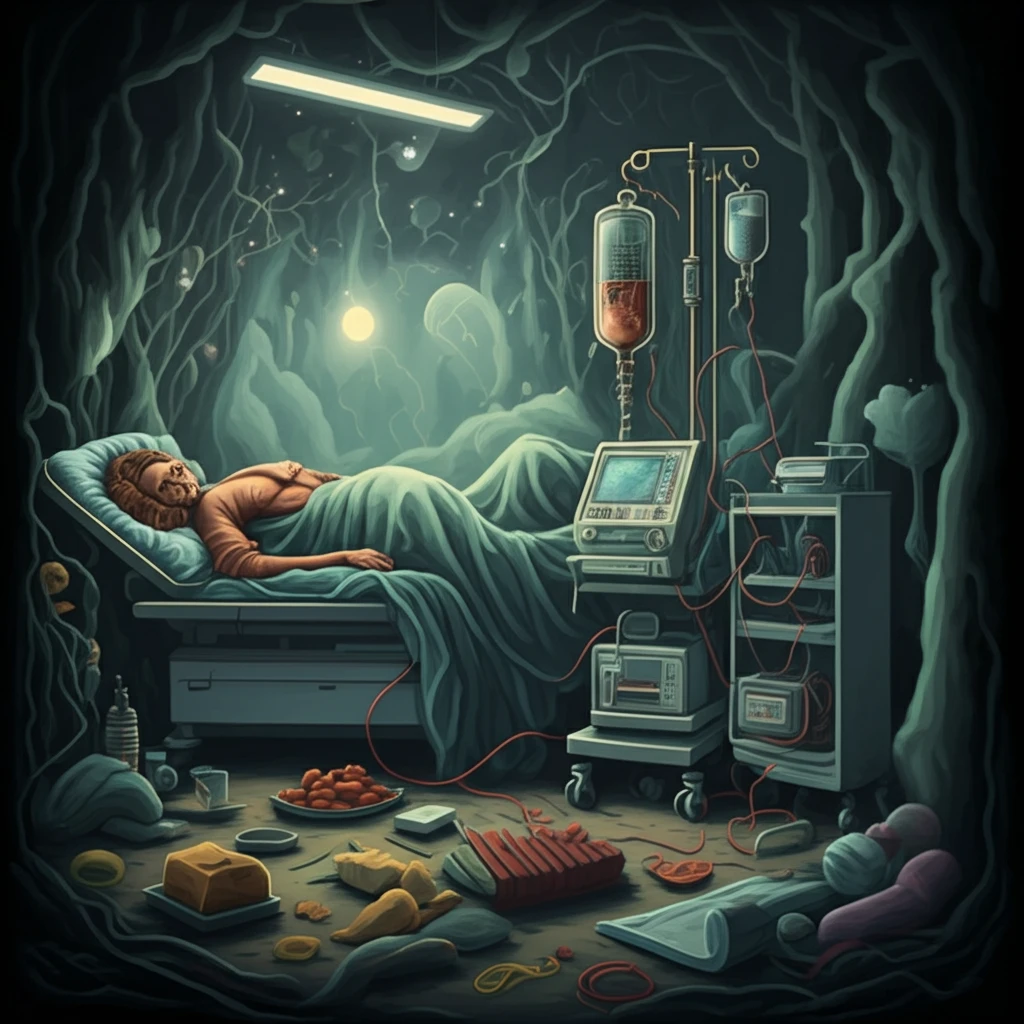
Beyond Survival: Prioritizing Needs and Boosting Quality of Life in Hemodialysis

"Uncover how understanding patient needs through Maslow's hierarchy can dramatically improve the well-being and treatment outcomes for those undergoing hemodialysis."
End-Stage Renal Disease (ESRD) presents a growing global challenge, significantly impacting individuals' lives. In Saudi Arabia, the incidence of treated ESRD by dialysis is 107 per million, with a prevalence of 405 per million. As these numbers rise, it's crucial to address the comprehensive needs of hemodialysis patients to enhance their quality of life.
Patients undergoing hemodialysis often face numerous challenges that affect their overall well-being. Beyond the physical aspects of treatment, factors such as emotional and social support play vital roles in ensuring a higher quality of life. Recognizing these needs is essential for healthcare providers to deliver patient-centered care.
This article delves into a study that examines the needs of hemodialysis patients through the lens of Maslow's hierarchy, linking these needs to their quality of life. By understanding this connection, we can identify strategies to improve treatment adherence, empower patients, and ultimately enhance their overall well-being.
Understanding Patient Needs: Maslow's Hierarchy and Hemodialysis
Maslow's hierarchy of needs offers a structured framework for understanding human motivation, categorizing needs into five levels: physiological, safety, belongingness, esteem, and self-actualization. In the context of hemodialysis, this hierarchy helps prioritize patient care by addressing the most fundamental needs first.
- Physiological Needs: Addressing basic survival requirements like fluid balance, nutrition, and managing physical discomfort.
- Safety Needs: Ensuring a secure treatment environment, providing clear information, and fostering trust in the healthcare team.
- Belongingness Needs: Promoting social interaction, support groups, and family involvement to combat feelings of isolation.
- Esteem Needs: Recognizing patient achievements, encouraging self-care, and providing positive feedback to boost confidence.
- Self-Actualization Needs: Supporting personal growth, goal setting, and helping patients find meaning and purpose despite their condition.
Enhancing Patient-Centered Care in Hemodialysis
This research underscores the importance of measuring quality of life to better understand and address the needs of hemodialysis patients. By prioritizing interventions that cater to the physiological, safety, social, and emotional needs of individuals undergoing treatment, healthcare providers can significantly enhance their well-being and promote better adherence to therapy.