
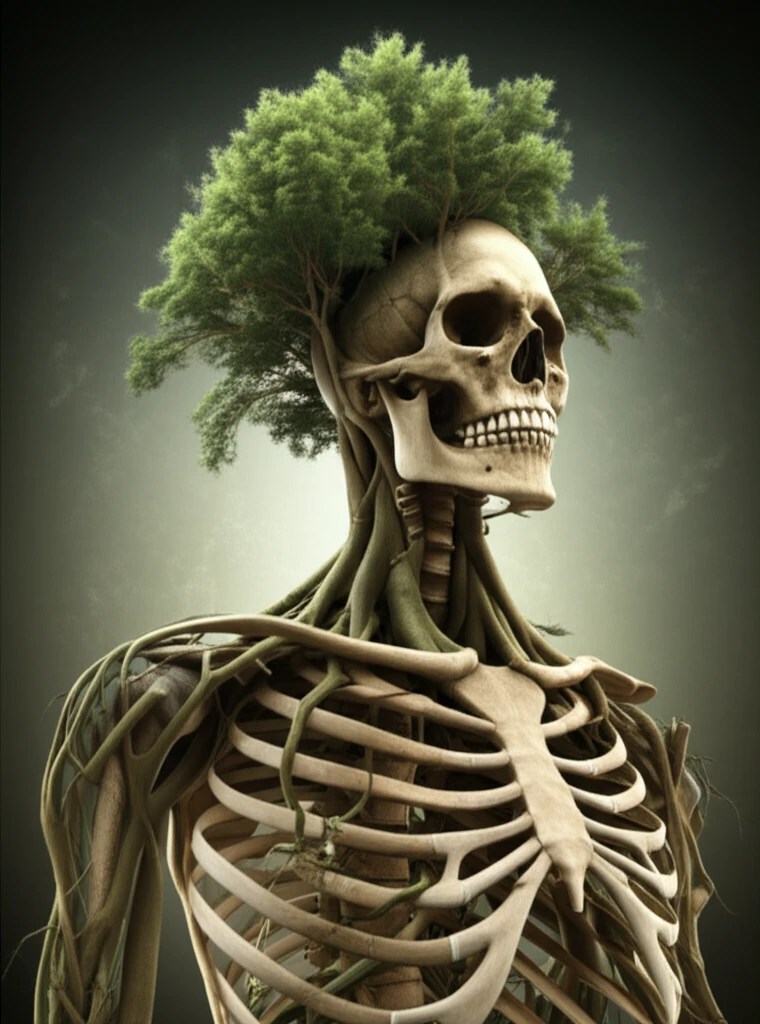
Surreal illustration of a tree growing inside a skeleton, symbolizing bone health.

Beyond Pills: A Modern Guide to Osteoporosis Management

"Discover comprehensive strategies for strengthening bones and preventing fractures, tailored for today's active lifestyles."


Osteoporosis, affecting approximately 200 million individuals worldwide, is more than just a condition of aging; it's a significant health challenge characterized by decreased bone mass and increased skeletal fragility. Often undetected until a fracture occurs, this 'silent disease' demands proactive management, especially as global populations continue to age. Understanding osteoporosis is the first step towards mitigating its impact, and this guide provides a roadmap for doing just that.

Women, particularly postmenopausal women, face a disproportionately higher risk, with fracture rates varying significantly across different ethnic groups. However, men are not immune, with a notable percentage also affected. The economic burden is substantial, costing billions annually in healthcare expenditures. Recognizing these facts underscores the urgent need for accessible and effective strategies to combat osteoporosis.

While the statistics paint a concerning picture, the good news is that osteoporosis is manageable. This article cuts through the complexity of current treatments and future directions, providing actionable insights to help you or your loved ones maintain bone health. From lifestyle adjustments and dietary changes to the latest in medical interventions, we'll explore a holistic approach to preventing and treating osteoporosis.

Building Stronger Bones: Lifestyle and Diet Essentials

Surreal illustration of a tree growing inside a skeleton, symbolizing bone health.

Before diving into medical treatments, it's crucial to understand the foundational role of lifestyle and diet in managing osteoporosis. Exercise, particularly weight-bearing and resistance training, is a powerful tool for increasing bone mineral density (BMD) and overall skeletal strength. These activities stimulate bone formation, encouraging osteoblasts to build new bone tissue while inhibiting osteoclasts from resorbing existing bone.

However, remember that consistency and proper technique are key to avoiding injury. Start slowly and gradually increase the intensity and duration of your workouts. For those with existing conditions like osteoarthritis, modifications may be necessary to ensure comfort and safety. The goal is to find a sustainable exercise routine that you enjoy and can maintain long-term.

  • Aerobic Exercises: Activities like running, biking, and skating are beneficial for cardiovascular health and can indirectly support bone health.
  • Anaerobic Exercises: Strength training exercises, such as lifting weights or using resistance bands, directly stimulate bone growth.
  • Combination Approach: The National Osteoporosis Foundation (NOF) recommends a mix of both aerobic and anaerobic exercises for optimal bone health.
In addition to exercise, diet plays a vital role. Adequate intake of calcium and vitamin D is essential for maintaining bone density. Calcium is the primary building block of bone tissue, while vitamin D helps the body absorb calcium effectively. Many people, especially older adults, may not get enough of these nutrients through diet alone, making supplementation a practical consideration.

Empowering Your Bone Health Journey

Managing osteoporosis is a multifaceted endeavor that requires a personalized approach. By integrating lifestyle adjustments, dietary modifications, and medical treatments, you can take proactive steps to protect your bone health and reduce your risk of fractures. Remember to consult with your healthcare provider to determine the most appropriate strategies for your individual needs and circumstances. With the right knowledge and support, you can navigate the challenges of osteoporosis and maintain an active, fulfilling life.

About this Article -

This article was crafted using a human-AI hybrid and collaborative approach. AI assisted our team with initial drafting, research insights, identifying key questions, and image generation. Our human editors guided topic selection, defined the angle, structured the content, ensured factual accuracy and relevance, refined the tone, and conducted thorough editing to deliver helpful, high-quality information.See our About page for more information.

Everything You Need To Know

1

What is Osteoporosis and why is it considered a 'silent disease'?

Osteoporosis is a health challenge characterized by decreased bone mass and increased skeletal fragility. It is often termed a 'silent disease' because it frequently goes undetected until a fracture occurs. This delayed detection is due to the lack of noticeable symptoms in the early stages, making proactive management and regular check-ups crucial for those at risk.

2

How does exercise contribute to managing Osteoporosis, and what types of exercises are most beneficial?

Exercise is a powerful tool for managing Osteoporosis by increasing bone mineral density (BMD) and overall skeletal strength. Weight-bearing and resistance training, in particular, stimulate bone formation. Aerobic exercises, like running and biking, also support bone health. The National Osteoporosis Foundation (NOF) recommends a mix of both aerobic and anaerobic exercises for optimal bone health. It's crucial to find a sustainable exercise routine and to consult with healthcare providers before starting, especially if you have conditions like osteoarthritis.

3

What is the role of diet in Osteoporosis management, and why are calcium and vitamin D so important?

Diet plays a vital role in managing Osteoporosis. Adequate intake of calcium and vitamin D is essential for maintaining bone density. Calcium is the primary building block of bone tissue, providing the structural framework. Vitamin D helps the body effectively absorb the calcium, making sure it can be used by the bones. Many people, especially older adults, may not get enough of these nutrients through diet alone, making supplementation a practical consideration.

4

Who is most at risk of developing Osteoporosis, and why is early detection and management important?

Women, particularly postmenopausal women, face a disproportionately higher risk of developing Osteoporosis. However, men are also affected. Early detection and management are crucial because Osteoporosis is a 'silent disease' that often goes unnoticed until a fracture occurs. Proactive measures, including lifestyle adjustments, dietary modifications, and medical treatments, are essential to protect bone health and reduce the risk of fractures, especially as global populations age and healthcare costs associated with Osteoporosis rise.

5

Besides exercise and diet, what other factors are important in managing Osteoporosis, and how should someone start their journey?

Managing Osteoporosis requires a multifaceted approach, integrating lifestyle adjustments, dietary modifications, and medical treatments. It's crucial to consult with a healthcare provider to determine the most appropriate strategies based on individual needs. This includes identifying the risk factors, assessing current bone health, and creating a personalized plan that may involve supplementation, medication, and a tailored exercise regime. Empowering yourself with knowledge and seeking support are key to navigating the challenges and maintaining an active, fulfilling life despite Osteoporosis.

Newsletter Subscribe

Subscribe to get the latest articles and insights directly in your inbox.