
Beyond Botox: Can Electrical Stimulation Ease Post-Stroke Spasticity and Pain?

"A combined approach offers hope for improved quality of life and function for stroke survivors."
Surviving a stroke is often just the beginning of a long journey toward recovery. Many stroke survivors face lasting challenges, including spasticity (muscle stiffness) and chronic pain, which can significantly impact their ability to perform everyday tasks and enjoy a good quality of life.
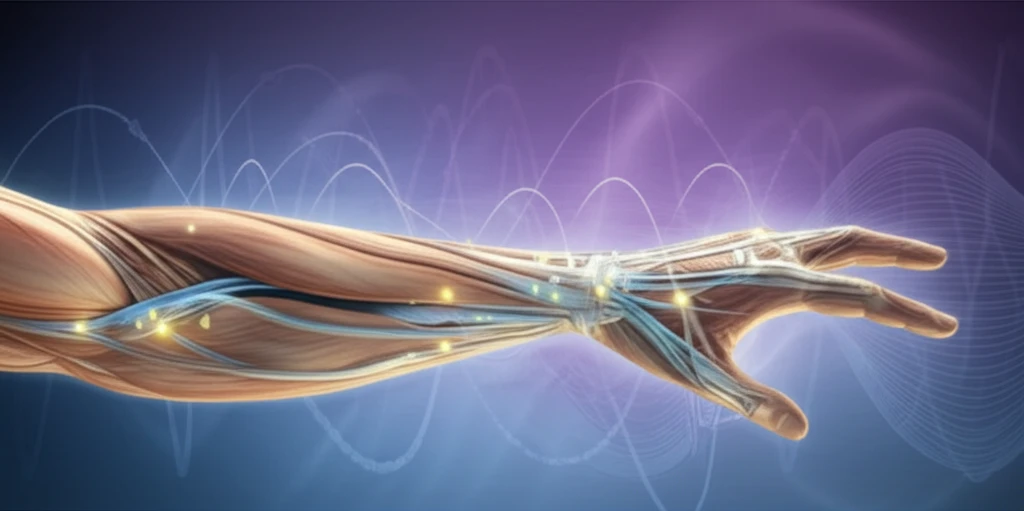
Botulinum neurotoxin type A (BoNTA), commonly known as Botox, has become a popular treatment for managing spasticity by relaxing targeted muscles. However, a promising complementary therapy, functional electrical stimulation (FES), is also gaining traction in rehabilitation. FES uses mild electrical pulses to stimulate muscles, helping to improve their function and reduce stiffness.
Now, researchers are exploring whether combining BoNTA injections with FES can provide even greater benefits for stroke patients struggling with spasticity and pain. This article delves into a recent case study that sheds light on the potential of this combined approach to enhance function and overall well-being after a stroke.
BoNTA and FES: A Synergistic Approach to Stroke Recovery
A recent case study published in Future Neurology highlights the use of BoNTA and FES in a 57-year-old male who experienced right-side upper limb spasticity four years after suffering a stroke. The patient had previously tried baclofen and BoNTA alone, with limited success and bothersome side effects.
- BoNTA Injections: Relaxes targeted muscles by blocking nerve signals, reducing stiffness.
- Functional Electrical Stimulation (FES): Uses electrical pulses to stimulate muscles, improving function and reducing pain.
- Combined Approach: Aims to enhance the benefits of both therapies for improved outcomes.
Hope for Improved Stroke Recovery
This case study offers a promising glimpse into the potential of combining BoNTA and FES to improve the lives of stroke survivors struggling with spasticity and pain. While more research is needed, this approach could significantly enhance functional abilities and overall quality of life.
Further studies with larger groups of patients are necessary to determine the optimal combination of BoNTA dosage and FES parameters, as well as to identify which patients are most likely to benefit from this combined therapy. Understanding the underlying mechanisms that make this combined approach effective is also crucial.
Ultimately, continued research in this area could lead to more effective and personalized rehabilitation strategies, helping stroke survivors regain independence, reduce pain, and improve their overall well-being.