
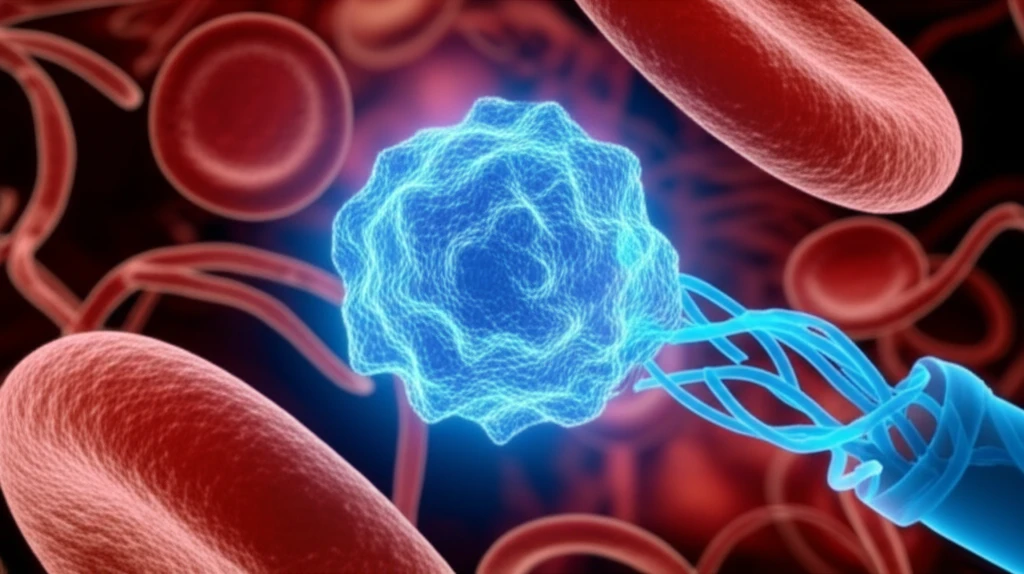
Bevacizumab for Colorectal Cancer: New Hope in the Fight Against Metastatic Disease

"Unlocking the Potential of a Targeted Therapy: Exploring Bevacizumab's Role in Treating Metastatic Colorectal Cancer and Improving Patient Outcomes"
Colorectal cancer (CRC), a disease affecting millions worldwide, presents a significant challenge for patients and healthcare professionals alike. The fight against this disease has seen remarkable advancements, with the emergence of targeted therapies offering new hope for those battling metastatic colorectal cancer, where the cancer has spread to other parts of the body.
Among these advancements, bevacizumab has emerged as a pivotal treatment option. Bevacizumab, a monoclonal antibody, works by targeting vascular endothelial growth factor (VEGF), a protein crucial for tumor growth. By inhibiting VEGF, bevacizumab helps starve tumors of the blood supply they need to thrive, slowing their growth and spread.
This article delves into the world of bevacizumab, exploring its efficacy, the types of patients who benefit most, and the latest research findings. Whether you're a patient, a family member, or simply seeking to understand the current treatment landscape, this guide offers valuable insights into how bevacizumab is changing the outlook for individuals facing metastatic colorectal cancer.
Understanding Bevacizumab: A Targeted Approach to Cancer Treatment
Bevacizumab is a type of medication known as a monoclonal antibody. These antibodies are designed to mimic the natural antibodies produced by our immune systems, but with a specific targeting ability. In the case of bevacizumab, the target is VEGF. This protein plays a critical role in angiogenesis, the process by which tumors create new blood vessels to supply themselves with nutrients and oxygen.
- Targeted Action: Specifically targets VEGF to inhibit tumor blood vessel formation.
- Mechanism of Action: Starves tumors by cutting off their blood supply, thus slowing their growth and spread.
- Administration: Typically given intravenously, allowing the medication to reach cancer cells throughout the body.
The Future of Bevacizumab and Colorectal Cancer Treatment
Bevacizumab has undeniably shifted the paradigm of care for patients battling metastatic colorectal cancer. As research continues and new data emerges, the treatment landscape is always changing. Continued innovation, through research and advancements in medical understanding, provides the chance to enhance and refine existing therapies, offering patients an even greater opportunity for improved outcomes and an enhanced quality of life. The collective goal remains constant: to provide the most effective, tailored, and compassionate care possible.