
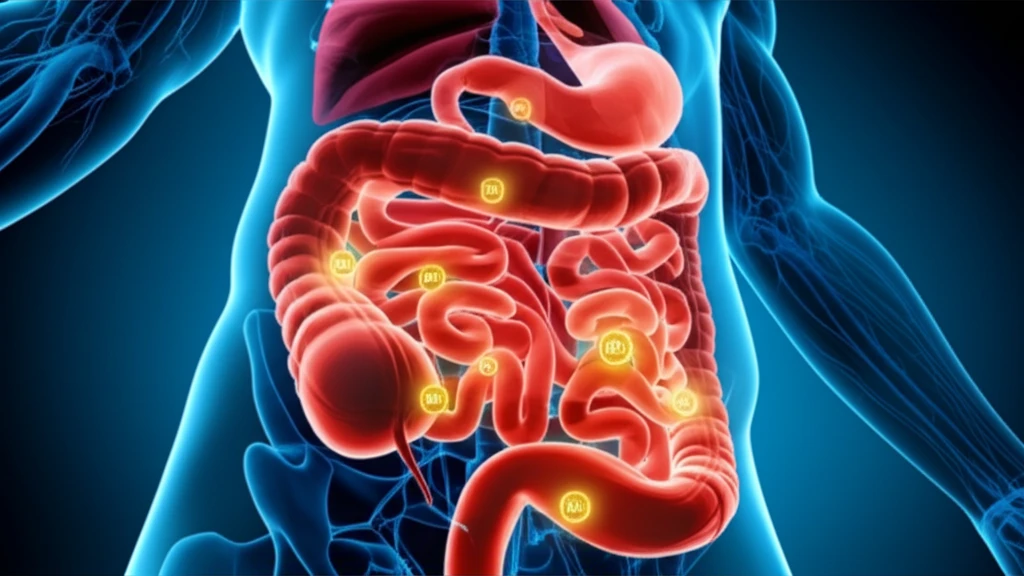
Beriberi's Hidden Threat: How Gut Issues Can Lead to Vitamin B1 Deficiency

"Unexplained weakness and balance problems? An 11-year-old's case highlights the unexpected link between gut health, colectomy, and a rare vitamin deficiency."
Beriberi, a disease caused by vitamin B1 (thiamine) deficiency, is uncommon in developed countries but remains a concern, particularly in those with malnutrition. While it often manifests with neurological (dry beriberi) or cardiovascular symptoms (wet beriberi), its presentation can be complex.
This article delves into an unusual case: an 11-year-old girl with a history of total colectomy who developed dry beriberi. Her symptoms, which included gait ataxia (unsteady walking) and muscle weakness, emerged following a cholecystectomy (gallbladder removal) performed to address chronic abdominal pain.
This case underscores the critical link between gut health and nutrient absorption, and it serves as a reminder to consider vitamin deficiencies in patients with gastrointestinal issues. We will explore the girl's diagnosis, treatment, and the underlying factors that contributed to her condition. This is to bring insights into recognizing and managing thiamine deficiency in vulnerable individuals.
The Gut-Vitamin Connection: Why Colectomy Can Increase Risk
Thiamine is a crucial nutrient that is vital for both energy production and nerve function. It plays a key role in:
- Non-oxidative metabolism: Thiamine supports the pentose phosphate pathway, essential for creating fatty acids, maintaining the myelin sheath (protective covering of nerves), and ensuring proper nerve function.
- Thiamine is mainly absorbed in the upper part of the small intestine (jejunum). Malnutrition significantly reduces its absorption. Alcohol consumption can also interfere with thiamine absorption.
- The body's thiamine stores are limited, and it has a short half-life. Therefore, consistent intake is essential.
Key Takeaways: Recognizing and Addressing Thiamine Deficiency
This case highlights the importance of considering thiamine deficiency in patients with gastrointestinal issues, particularly those who have undergone colectomy. Look for subtle neurological signs and symptoms and address those proactively.
Maintaining adequate thiamine levels is critical for overall health, especially for individuals with compromised gut function. If you or someone you know experiences unexplained weakness, balance problems, or gastrointestinal symptoms, consult with a healthcare professional to assess thiamine status.
By raising awareness of this potential complication, we can improve early diagnosis and treatment, helping those at risk avoid the serious consequences of thiamine deficiency.