
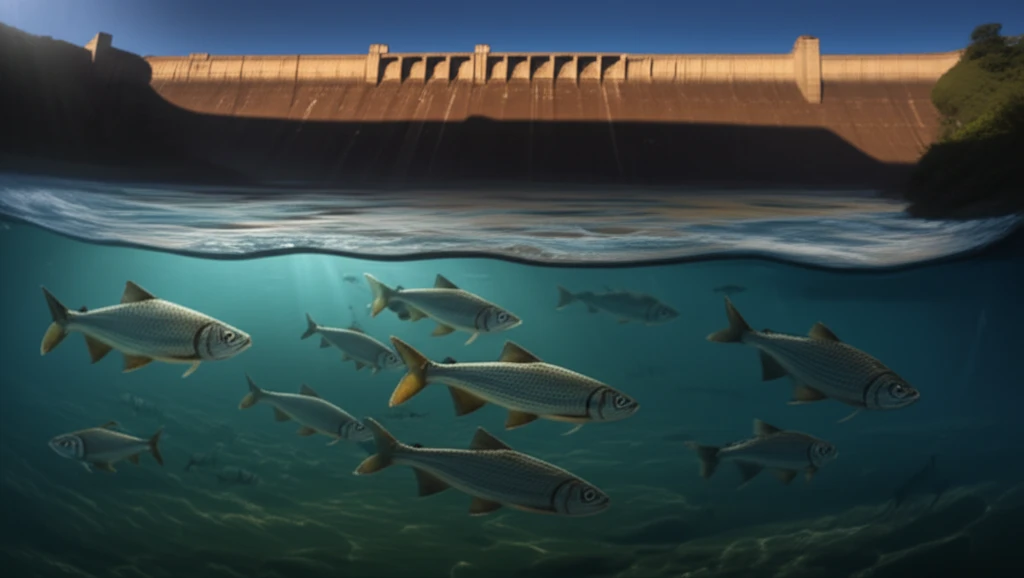
Before the Flood: How Damming Impacts Fish Reproduction

"Uncover the hidden story of how dam construction affects the reproductive biology of freshwater fish, with a focus on the Pachyurus bonariensis."
Dams are transforming our rivers, and while they bring benefits like water supply, they also drastically alter the lives of the creatures that call these rivers home. Understanding these impacts is key to protecting freshwater biodiversity.
This article explores the reproductive biology of the Pachyurus bonariensis, a fish species native to South American rivers, before the construction of a dam. By examining this case study, we can gain valuable insights into how such infrastructure projects affect fish populations.
This research, conducted on the Taquarembó stream in southern Brazil, provides a baseline understanding of P. bonariensis reproduction against which future changes can be measured. Let's dive into the pre-dam world of this fascinating fish.
Unveiling the Reproductive Secrets of Pachyurus bonariensis
Researchers meticulously studied 278 specimens of P. bonariensis over a year to understand their reproductive patterns. This involved analyzing the fish's gonads, tracking environmental factors, and estimating fecundity.
- Spawning Type: The fish are multiple spawners, releasing eggs in batches.
- Fecundity: On average, a female produces around 39,313 eggs.
- Maturity: Females mature at approximately 112.6 mm in length, while males mature slightly earlier at 110.7 mm.
- Sex Ratio: The overall population exhibits a roughly equal sex ratio.
Dams and Their Ripple Effects on Aquatic Life
The construction of dams drastically alters river ecosystems, impacting water flow, temperature, and habitat availability. These changes can disrupt the delicate balance of fish reproductive cycles, potentially leading to population declines.
This study underscores the importance of conducting thorough environmental impact assessments before undertaking dam construction. Understanding the reproductive needs of fish species like P. bonariensis is crucial for mitigating negative consequences.
By preserving pre-dam baseline data, we are empowered to develop effective conservation strategies, minimizing the environmental footprint of necessary infrastructure projects. Further investigation will be needed to see long term effects.