
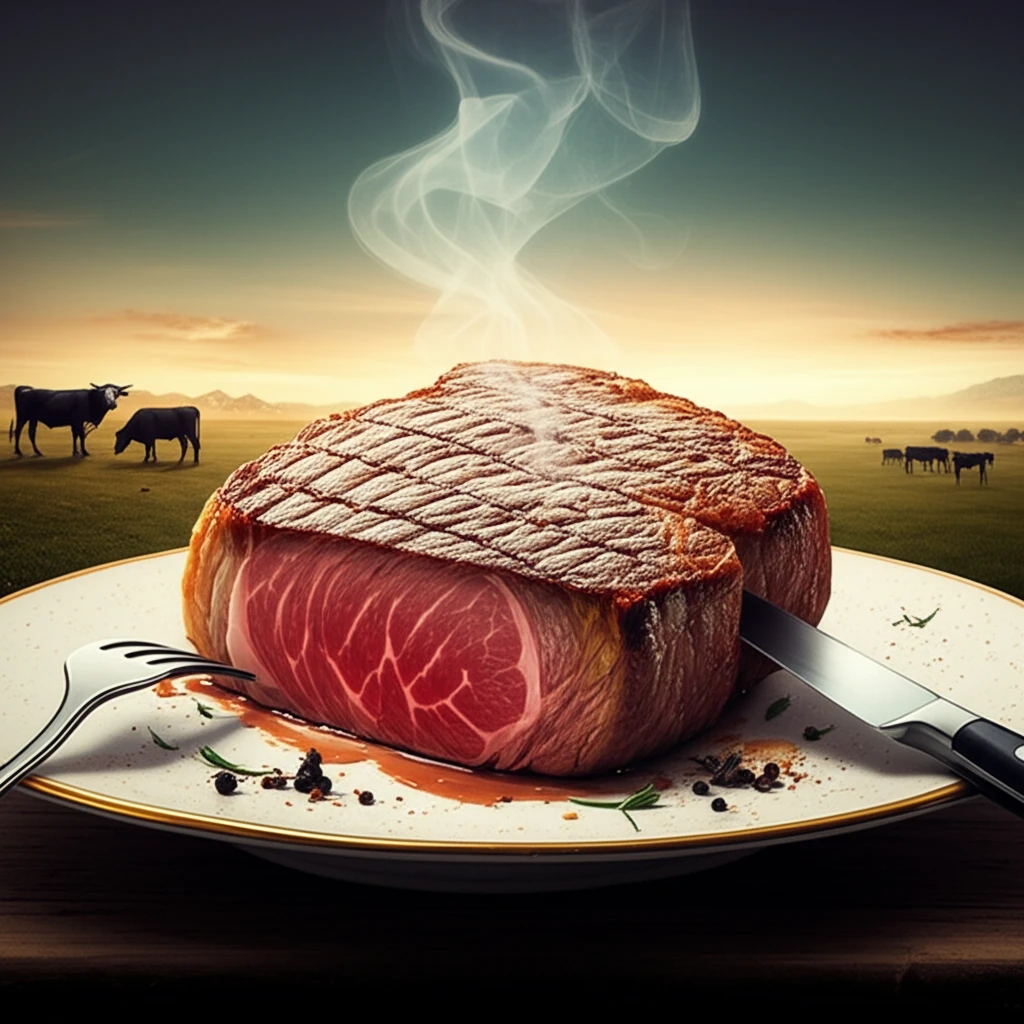
Beef Up Your Plate: Unveiling the Science Behind Tender, Flavorful Steaks

"Discover how innovative feeding practices are transforming the beef industry and bringing better steaks to your table."
In the ever-evolving world of food, the quest for culinary perfection is relentless. From the juiciest burgers to the most succulent steaks, consumers constantly seek out meals that deliver exceptional taste and texture. For years, the beef industry has been at the forefront of this pursuit, continually refining its practices to provide consumers with the highest quality products. Today, this quest has led to groundbreaking innovations in animal nutrition, specifically, the use of feed additives like ractopamine hydrochloride and zilpaterol hydrochloride. These compounds, known for their ability to enhance growth and alter carcass characteristics, have sparked a revolution in beef production.
This article delves into the science behind these advancements, exploring how they impact the tenderness and flavor of your favorite cuts of beef. We'll examine the role of these additives, their effects on animal performance, and, most importantly, how they influence the overall dining experience. Join us as we uncover the secrets to achieving that perfect steak, and explore the innovations that are shaping the future of the beef industry.
As we embark on this exploration, it's important to note that the information presented is based on scientific research and industry practices. While the use of feed additives has raised questions, the goal here is to provide you with a clear, comprehensive understanding of the science involved. By providing a balanced perspective, we hope to empower you with knowledge, allowing you to make informed choices about the food you consume.
The Science of Tenderness: How Feed Additives are Transforming Beef
At the heart of this transformation lies a deep understanding of muscle biology and animal nutrition. The tenderness of a steak is determined by several factors, including the animal's genetics, age, and diet. But the most critical factor is the breakdown of muscle fibers during the aging process, a process influenced by enzymes within the meat. Feed additives like ractopamine hydrochloride (RAC) and zilpaterol hydrochloride (ZH) have been designed to enhance this process, leading to more tender and flavorful cuts of beef.
- Enhanced Muscle Growth: Both RAC and ZH promote protein synthesis, leading to larger, more muscular animals.
- Improved Fat Distribution: These additives influence fat metabolism, resulting in a more desirable marbling, which contributes to tenderness and flavor.
- Optimized Carcass Characteristics: Overall, these additives improve the yield of valuable cuts, making the most of each animal.
Savor the Science: The Future of Beef is Here
The advancements in beef production, driven by scientific innovation, promise a future where consumers can consistently enjoy tender, flavorful, and high-quality steaks. The use of feed additives like ractopamine hydrochloride and zilpaterol hydrochloride is just one example of how the industry is working to meet the evolving demands of consumers. As research continues, and technology advances, the future of beef looks brighter than ever, bringing with it the promise of culinary excellence and a truly satisfying dining experience.