
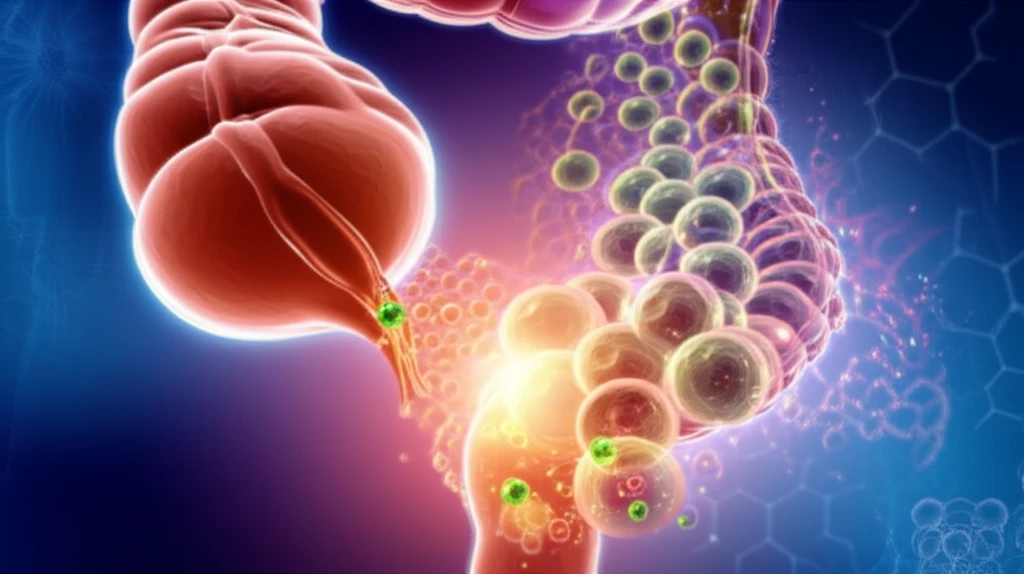
Transformation of colon cells from cancerous to healthy, symbolizing rectal cancer treatment success.

Beating Rectal Cancer: A 10-Year Study Reveals the Power of Combined Therapy

"New research shows that combining chemotherapy, radiation, and surgery offers a long-term advantage in treating locally advanced rectal cancer, giving hope to patients and healthcare providers alike."


Rectal cancer, when caught in its early stages, demands a strategic approach. Neoadjuvant concurrent chemoradiotherapy (NCRT) has emerged as a powerful method, improving local control and the chances of successful surgery. But what happens in the long run? Do these initial benefits translate into lasting victories against the disease?

For years, the "Mayo regimen," involving intravenous 5-fluorouracil (5-FU), has been a standard chemotherapy treatment. However, it comes with challenges like the need for injections and potential complications. Capecitabine, an oral alternative, offers a more convenient approach. Studies suggest it’s at least as safe, but questions about its long-term effectiveness have lingered.

A new study, conducted over a decade at a single institution, sheds light on the long-term outcomes of using capecitabine-based NCRT followed by surgery. It analyzes the experiences of 238 patients, offering valuable insights into survival rates, recurrence patterns, and the factors that influence success. The goal is to provide the facts, so patients and healthcare providers can make informed decisions about treatment.

Decoding the Long-Term Impact of Capecitabine in Rectal Cancer Treatment

Transformation of colon cells from cancerous to healthy, symbolizing rectal cancer treatment success.

The study, conducted between 2000 and 2010, focused on patients with locally advanced rectal cancer who underwent NCRT with capecitabine and subsequent radical surgery. Researchers tracked their progress, looking at overall survival, disease-free survival, local recurrence (cancer returning near the original site), and systemic recurrence (cancer spreading to other parts of the body).

Here's what the research team uncovered:

  • Tolerable Toxicity: Only a small percentage (4.6%) experienced significant (Grade >3) side effects related to capecitabine.
  • Pathological Complete Response (pCR): Nearly 15% of patients showed no signs of cancer in their surgical samples, indicating a strong initial response to the treatment.
  • Encouraging Survival Rates: The 5-year overall survival rate was an impressive 82.8%, with a 75.1% 5-year disease-free survival rate.
  • Low Local Recurrence: Cancer returned locally in only 4.8% of cases.
  • Systemic Recurrence: Cancer spread to other areas in 20.3% of patients.
  • Key Risk Factors: The need for abdominoperineal resection (removal of the anus, rectum, and part of the colon) and the presence of node-positive disease (cancer in nearby lymph nodes) were identified as factors associated with poorer outcomes.
These findings suggest that NCRT with capecitabine, followed by surgery, offers favorable long-term results for locally advanced rectal cancer. The manageable toxicity and convenience of oral capecitabine make it an attractive option.

The Future of Rectal Cancer Treatment: Capecitabine and Beyond

This study adds to the growing body of evidence supporting the use of capecitabine in NCRT for rectal cancer. Its convenience, manageable side effects, and promising long-term outcomes make it a valuable tool in the fight against this disease.

While the results are encouraging, it's important to remember that this was a single-institution study. Further research, especially large, randomized controlled trials, is needed to confirm these findings and compare capecitabine to other treatment approaches.

The findings offer hope that personalized treatment strategies can be tailored to individual patients, maximizing their chances of long-term survival and a good quality of life. By understanding the factors that influence outcomes, doctors can better guide treatment decisions and improve the lives of those affected by rectal cancer.

About this Article -

This article was crafted using a human-AI hybrid and collaborative approach. AI assisted our team with initial drafting, research insights, identifying key questions, and image generation. Our human editors guided topic selection, defined the angle, structured the content, ensured factual accuracy and relevance, refined the tone, and conducted thorough editing to deliver helpful, high-quality information.See our About page for more information.

This article is based on research published under:

DOI-LINK: 10.4174/astr.2016.91.4.178, Alternate LINK

Title: Long-Term Oncologic Outcomes Of Neoadjuvant Concurrent Chemoradiotherapy With Capecitabine And Radical Surgery In Locally Advanced Rectal Cancer: 10-Year Experiences At A Single Institution

Subject: Surgery

Journal: Annals of Surgical Treatment and Research

Publisher: The Korean Surgical Society

Authors: Kyung Ha Lee, Jin Soo Kim, Ji Yeon Kim

Published: 2016-01-01

Everything You Need To Know

1

What is the main treatment approach discussed?

The study highlights the effectiveness of combining chemotherapy with capecitabine, radiation, and surgery for locally advanced rectal cancer. This combined therapy, including Neoadjuvant concurrent chemoradiotherapy (NCRT), has shown promising results in improving local control and the chances of successful surgery. The goal is to provide the facts, so patients and healthcare providers can make informed decisions about treatment. The 5-year overall survival rate was an impressive 82.8%, with a 75.1% 5-year disease-free survival rate.

2

What is capecitabine and how is it used?

Capecitabine is an oral chemotherapy drug used in the treatment of locally advanced rectal cancer, specifically within the context of Neoadjuvant concurrent chemoradiotherapy (NCRT). Unlike the 'Mayo regimen' which uses intravenous 5-fluorouracil (5-FU), capecitabine offers a more convenient approach. The study shows that it's at least as safe and effective, with manageable side effects and promising long-term outcomes.

3

What is Neoadjuvant concurrent chemoradiotherapy (NCRT)?

Neoadjuvant concurrent chemoradiotherapy (NCRT) involves a combination of chemotherapy and radiation therapy given before surgery. This approach, often using capecitabine in the study, aims to shrink the tumor, improve local control, and increase the likelihood of successful surgery. The study found that NCRT with capecitabine followed by surgery, offers favorable long-term results for locally advanced rectal cancer.

4

What were the key findings of the study regarding survival and recurrence?

The study revealed a 5-year overall survival rate of 82.8% and a 75.1% 5-year disease-free survival rate. The research also showed a low local recurrence rate of 4.8%, meaning the cancer returned near the original site in a small percentage of cases. However, systemic recurrence, where the cancer spread to other parts of the body, occurred in 20.3% of patients. The need for abdominoperineal resection (removal of the anus, rectum, and part of the colon) and the presence of node-positive disease (cancer in nearby lymph nodes) were identified as factors associated with poorer outcomes.

5

What factors can affect the success of the treatment?

The study identified several factors that can influence the success of treatment. The need for abdominoperineal resection, a more extensive surgery, and the presence of node-positive disease (cancer in nearby lymph nodes) were linked to less favorable outcomes. These factors highlight the importance of early detection, effective initial treatment, and the potential for cancer to spread. The study's findings underscore the significance of comprehensive treatment strategies, including combined therapy with capecitabine, radiation, and surgery, to improve patient outcomes and survival rates for locally advanced rectal cancer.

Newsletter Subscribe

Subscribe to get the latest articles and insights directly in your inbox.