
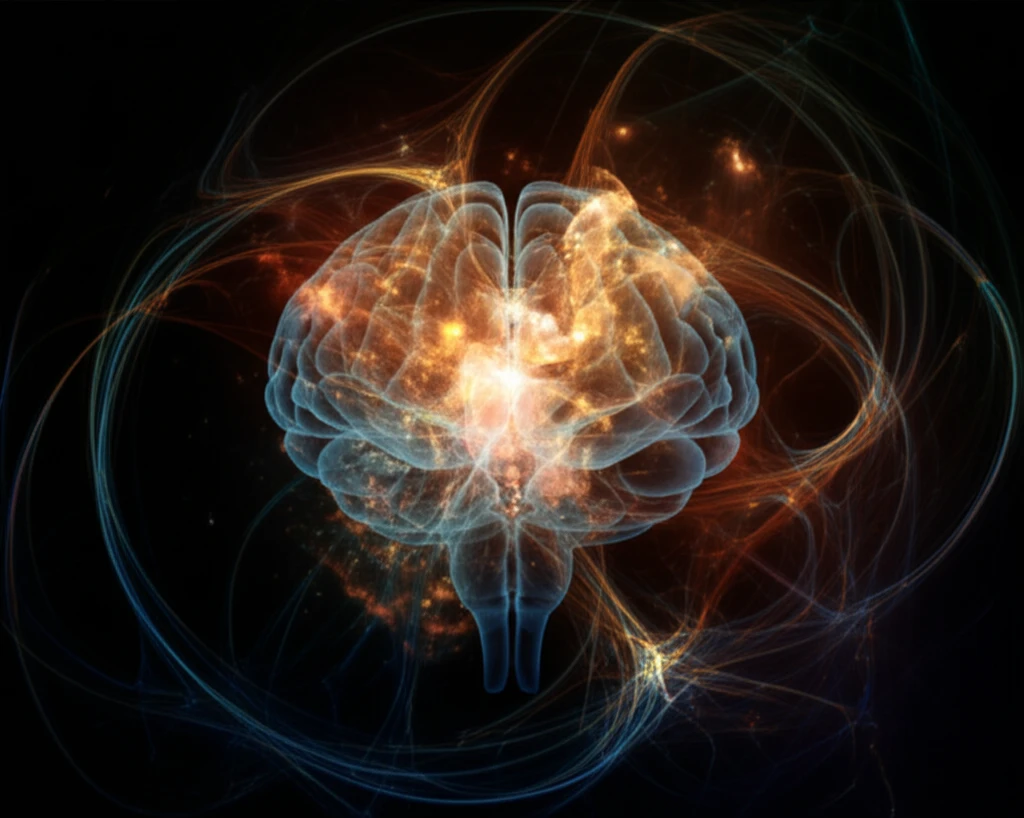
Electric fields surrounding a brain, symbolizing tumor treatment.

Beating Brain Cancer: How Tumor Treating Fields are Changing the Game

"Discover how Tumor Treating Fields (TTFields) are revolutionizing glioblastoma treatment, offering new hope and extending remission times. Is this the future of cancer therapy?"


Glioblastoma, an aggressive form of brain cancer, has long posed a significant challenge to medical science. Traditional treatments, including radiation and chemotherapy, often provide limited success, leading researchers to explore innovative therapeutic strategies. Among these, Tumor Treating Fields (TTFields) have emerged as a promising approach, offering new hope for patients diagnosed with this devastating condition.

TTFields therapy involves the use of electric fields to disrupt cancer cell division and growth. This non-invasive technique has shown efficacy in clinical trials, particularly when combined with standard treatments like temozolomide (TMZ). A recent case study sheds light on the potential of TTFields to control glioblastoma, even in complex scenarios where resistance to traditional therapies may develop.

This article delves into a groundbreaking case where TTFields, alongside TMZ, effectively managed a patient's glioblastoma, showcasing the therapy's ability to target both primary and secondary lesions. We'll explore the science behind TTFields, the specifics of the case study, and the broader implications for cancer treatment, offering insights into how this innovative approach could be a game-changer in the fight against brain cancer.

What Are Tumor Treating Fields (TTFields) and How Do They Work?

Electric fields surrounding a brain, symbolizing tumor treatment.

Tumor Treating Fields (TTFields) therapy utilizes alternating electric fields to disrupt the rapid division of cancer cells. Unlike radiation or chemotherapy, which rely on chemical or high-energy methods to kill cancer cells, TTFields interfere with the physical process of cell division. This unique approach minimizes damage to healthy cells, reducing many of the harsh side effects associated with traditional cancer treatments.

The electric fields used in TTFields therapy affect the formation of the mitotic spindle, a structure essential for cell division. By disrupting this process, TTFields can prevent cancer cells from replicating, effectively slowing or stopping tumor growth. The therapy is delivered through electrodes placed on the patient's scalp, requiring consistent use to maintain effective field intensity within the tumor.

  • Disrupting Cell Division: TTFields interfere with the formation of the mitotic spindle, preventing cancer cells from dividing.
  • Targeting Tumor Growth: By disrupting cell division, TTFields slow down or stop the growth of tumors.
  • Minimizing Side Effects: TTFields offer a non-invasive approach that reduces damage to healthy cells, minimizing side effects compared to traditional treatments.
  • Consistent Use: The therapy requires consistent use to maintain effective field intensity within the tumor.
The case study highlights the successful application of TTFields in a patient with newly diagnosed glioblastoma following radiation and temozolomide (TMZ) treatment. The emergence of a secondary lesion prompted an investigation into the effectiveness of TTFields in controlling tumor growth and preventing further progression. This case provides valuable insights into the potential of TTFields to manage complex glioblastoma cases and improve patient outcomes.

The Future of Glioblastoma Treatment: Personalized and Innovative Approaches

The integration of TTFields into glioblastoma treatment represents a significant step forward in personalized cancer care. By combining this innovative approach with standard therapies, medical professionals can tailor treatment plans to individual patients, potentially improving outcomes and extending remission times. As research continues, the role of TTFields in managing glioblastoma is expected to expand, offering new hope for those affected by this challenging condition.

About this Article -

This article was crafted using a human-AI hybrid and collaborative approach. AI assisted our team with initial drafting, research insights, identifying key questions, and image generation. Our human editors guided topic selection, defined the angle, structured the content, ensured factual accuracy and relevance, refined the tone, and conducted thorough editing to deliver helpful, high-quality information.See our About page for more information.

Everything You Need To Know

1

What exactly are Tumor Treating Fields (TTFields), and how do they work to fight cancer?

Tumor Treating Fields (TTFields) are a type of therapy that uses alternating electric fields to disrupt cancer cell division and growth. Unlike traditional treatments like chemotherapy or radiation, TTFields work by physically interfering with the process of cell division, specifically targeting the formation of the mitotic spindle. This can prevent cancer cells from replicating and slow down or stop tumor growth. TTFields are delivered through electrodes placed on the patient's scalp and require consistent use to maintain effective field intensity within the tumor. This approach aims to minimize damage to healthy cells, potentially reducing side effects compared to other cancer treatments.

2

Why are Tumor Treating Fields (TTFields) considered a significant advancement in glioblastoma treatment?

TTFields are significant because they offer a non-invasive approach to treating glioblastoma, an aggressive form of brain cancer, with fewer harsh side effects compared to traditional treatments like chemotherapy and radiation. Their ability to disrupt cancer cell division by interfering with the mitotic spindle presents a unique way to target tumor growth. This is particularly important in cases where tumors develop resistance to traditional therapies, as highlighted in the case study where TTFields, alongside temozolomide (TMZ), effectively managed a patient's glioblastoma. The integration of TTFields into treatment plans represents a step toward personalized cancer care, potentially improving outcomes and extending remission times for patients.

3

What is Temozolomide (TMZ), and what role does it play in glioblastoma treatment, especially when combined with TTFields?

Temozolomide (TMZ) is a chemotherapy drug commonly used in the treatment of glioblastoma. It works by damaging the DNA of cancer cells, which can prevent them from growing and dividing. Often used in combination with radiation therapy, TMZ is a standard treatment for glioblastoma. The case study mentioned combines TMZ with Tumor Treating Fields (TTFields), demonstrating a comprehensive approach to managing the cancer. The effectiveness of TMZ can vary, and resistance to the drug can develop, which is why combining it with TTFields can be a beneficial strategy to control tumor growth and improve patient outcomes.

4

What is the mitotic spindle, and why is its disruption by TTFields so important in preventing cancer cell division?

The mitotic spindle is a critical structure involved in cell division. It ensures that when a cell divides, each new daughter cell receives the correct number of chromosomes. Tumor Treating Fields (TTFields) therapy targets the mitotic spindle by disrupting its formation, which prevents cancer cells from dividing properly. By interfering with this process, TTFields can effectively slow down or stop the growth of tumors. This targeted approach is significant because it offers a way to control cancer cell division without relying on the chemical or high-energy methods used in traditional treatments like chemotherapy or radiation, which can cause significant side effects. The disruption of the mitotic spindle is a key mechanism by which TTFields exerts its therapeutic effects.

5

What is a secondary lesion in the context of glioblastoma, and how can TTFields help in managing it?

A secondary lesion refers to a new tumor that develops after the initial, or primary, tumor has been treated. In the context of glioblastoma, the emergence of a secondary lesion can indicate that the initial treatment was not entirely successful in eradicating all cancer cells, or that some cancer cells have become resistant to the initial therapy. The case study highlighted the effectiveness of Tumor Treating Fields (TTFields) in managing a patient's glioblastoma following radiation and temozolomide (TMZ) treatment, specifically when a secondary lesion appeared. This demonstrates the potential of TTFields to control tumor growth and prevent further progression, even in complex scenarios where the cancer has evolved or spread.

Newsletter Subscribe

Subscribe to get the latest articles and insights directly in your inbox.