
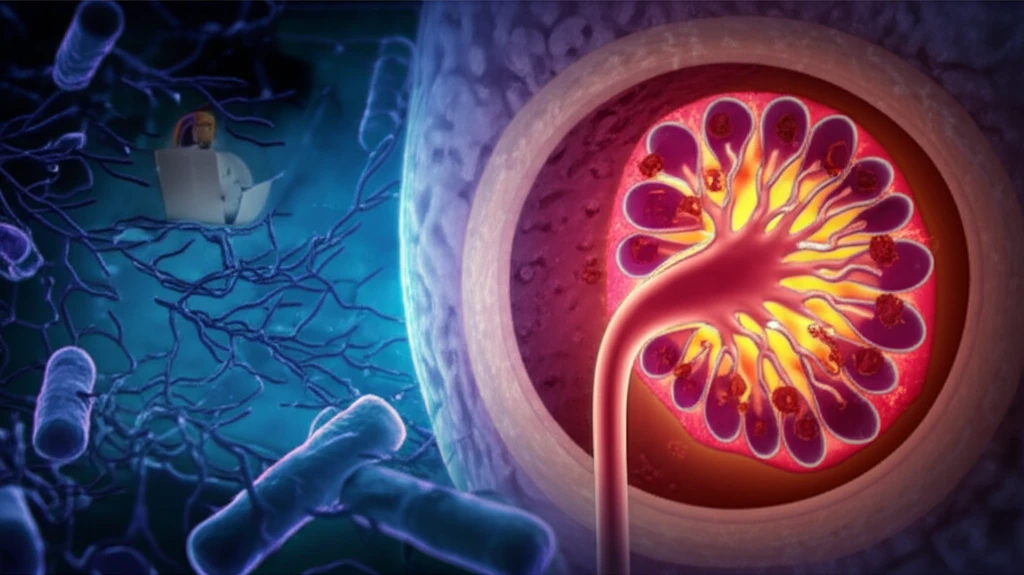
Illustration of Pseudomonas aeruginosa bacteria infecting the urinary tract, highlighting the dangers of untreated UTIs and the importance of medical intervention.

Battling the Bacteria: Understanding Deadly Infections in Urinary Tract Infections

"Unraveling the Risks and Saving Lives: A Deep Dive into Pseudomonas Aeruginosa and its Threat to Your Health"


Urinary tract infections (UTIs) are a common nuisance, often easily treated with antibiotics. However, in some cases, these infections can escalate, leading to severe complications. One such complication is bacteremia, a bloodstream infection, particularly dangerous when caused by the bacterium Pseudomonas aeruginosa. This article delves into the complexities of P. aeruginosa infections in the context of UTIs, exploring the risk factors associated with mortality and offering insights into prevention and treatment.

Pseudomonas aeruginosa is a resilient and opportunistic pathogen, frequently found in various environments, including hospitals. When it infects the urinary tract, it can quickly spread to the bloodstream, leading to a condition called bacteremia. The severity of this infection can range from mild to life-threatening, underscoring the need for prompt diagnosis and effective management. Understanding the specific risk factors that contribute to mortality in these cases is crucial for improving patient outcomes.

This article draws from recent research to provide a comprehensive overview of P. aeruginosa bacteremia linked to UTIs. We will explore the clinical factors that increase the risk of death, discuss the importance of early intervention, and highlight preventive measures. This information is essential for both healthcare professionals and individuals seeking to understand and mitigate the dangers of this potentially deadly infection.

The Deadly Duo: Pseudomonas Aeruginosa and UTIs

Illustration of Pseudomonas aeruginosa bacteria infecting the urinary tract, highlighting the dangers of untreated UTIs and the importance of medical intervention.

Pseudomonas aeruginosa is a bacterium that poses a significant threat, especially in healthcare settings. It's known for its ability to resist many antibiotics, making infections difficult to treat. When this bacterium enters the urinary tract, it can cause a UTI. If left unchecked or if the infection is particularly aggressive, the bacteria can invade the bloodstream, resulting in bacteremia. This is a serious condition requiring immediate medical attention.

The progression from a simple UTI to bacteremia is not always straightforward. Several factors, including the patient's overall health, the specific strain of P. aeruginosa, and the effectiveness of the initial treatment, can influence the outcome. Research indicates that certain patient groups are at higher risk. These groups include those with weakened immune systems, those with underlying health conditions such as diabetes or cardiovascular disease, and those who have undergone recent medical procedures.

  • Weakened Immune Systems: Patients with compromised immune systems are less able to fight off the infection.
  • Underlying Health Conditions: Diseases like diabetes and heart disease can increase susceptibility.
  • Recent Medical Procedures: Invasive procedures can provide an entry point for bacteria.
  • Antibiotic Resistance: The bacteria's resistance to antibiotics complicates treatment.
Bacteremia from P. aeruginosa, particularly when associated with a UTI, demands a swift and coordinated response from healthcare professionals. Prompt diagnosis, appropriate antibiotic therapy, and supportive care are vital. Early intervention can significantly improve the chances of survival and reduce the risk of long-term complications. Understanding the risk factors, as discussed in this article, is a crucial step in preventing and managing this serious condition.

Empowering Prevention and Promoting Health

Understanding the risks associated with Pseudomonas aeruginosa bacteremia is the first step toward effective prevention and treatment. Early detection of UTIs, prompt medical attention, and adherence to prescribed treatments are crucial. For healthcare providers, awareness of the risk factors and the implementation of best practices in infection control are essential. By staying informed and taking proactive measures, we can collectively reduce the impact of this potentially deadly infection and safeguard public health.

About this Article -

This article was crafted using a human-AI hybrid and collaborative approach. AI assisted our team with initial drafting, research insights, identifying key questions, and image generation. Our human editors guided topic selection, defined the angle, structured the content, ensured factual accuracy and relevance, refined the tone, and conducted thorough editing to deliver helpful, high-quality information.See our About page for more information.

Everything You Need To Know

1

What makes Pseudomonas aeruginosa infections so dangerous?

Pseudomonas aeruginosa is a bacterium known for its resilience and ability to resist many antibiotics, making infections difficult to treat. When it infects the urinary tract, it can spread to the bloodstream, leading to bacteremia. This condition can quickly become life-threatening, requiring immediate medical attention. The bacterium's resistance to multiple antibiotics is a significant factor in the severity and difficulty in treating these infections, which is why understanding effective treatments is crucial.

2

How does a urinary tract infection (UTI) caused by Pseudomonas aeruginosa lead to bacteremia?

When Pseudomonas aeruginosa infects the urinary tract, it can, if unchecked, invade the bloodstream, leading to bacteremia. Several factors can influence this progression, including the patient's overall health, the specific strain of Pseudomonas aeruginosa, and the effectiveness of the initial treatment. This is a serious condition that requires immediate medical attention. Understanding the infectious processes is important for preventing disease progression.

3

What factors increase the risk of mortality in cases of Pseudomonas aeruginosa bacteremia linked to UTIs?

Several clinical factors increase the risk of death in cases of Pseudomonas aeruginosa bacteremia linked to UTIs. These include weakened immune systems, underlying health conditions such as diabetes or cardiovascular disease, recent medical procedures, and antibiotic resistance. Patients with compromised immune systems are less able to fight off the infection. Diseases like diabetes and heart disease can increase susceptibility. Invasive procedures can provide an entry point for bacteria. The bacteria's resistance to antibiotics complicates treatment. Early intervention and appropriate antibiotic therapy are vital to improve survival chances.

4

Why are healthcare settings particularly concerning when it comes to Pseudomonas aeruginosa infections?

Pseudomonas aeruginosa is frequently found in various environments, including hospitals, making healthcare settings a common source of infection. Its ability to resist many antibiotics poses a significant threat, especially to patients with weakened immune systems or those undergoing medical procedures. The opportunistic nature of Pseudomonas aeruginosa and its prevalence in hospitals necessitate strict infection control measures to prevent its spread and protect vulnerable individuals. Understanding the transmission routes is important for prevention.

5

What are the key steps in preventing and managing Pseudomonas aeruginosa bacteremia related to UTIs, and why is early detection so important?

Preventing and managing Pseudomonas aeruginosa bacteremia related to UTIs involves early detection of UTIs, prompt medical attention, and adherence to prescribed treatments. For healthcare providers, awareness of the risk factors and the implementation of best practices in infection control are essential. Early detection is crucial because it allows for swift and coordinated intervention, including appropriate antibiotic therapy and supportive care, which can significantly improve the chances of survival and reduce the risk of long-term complications. Delaying treatment can lead to the rapid progression of the infection and increase the likelihood of severe outcomes.

Newsletter Subscribe

Subscribe to get the latest articles and insights directly in your inbox.