
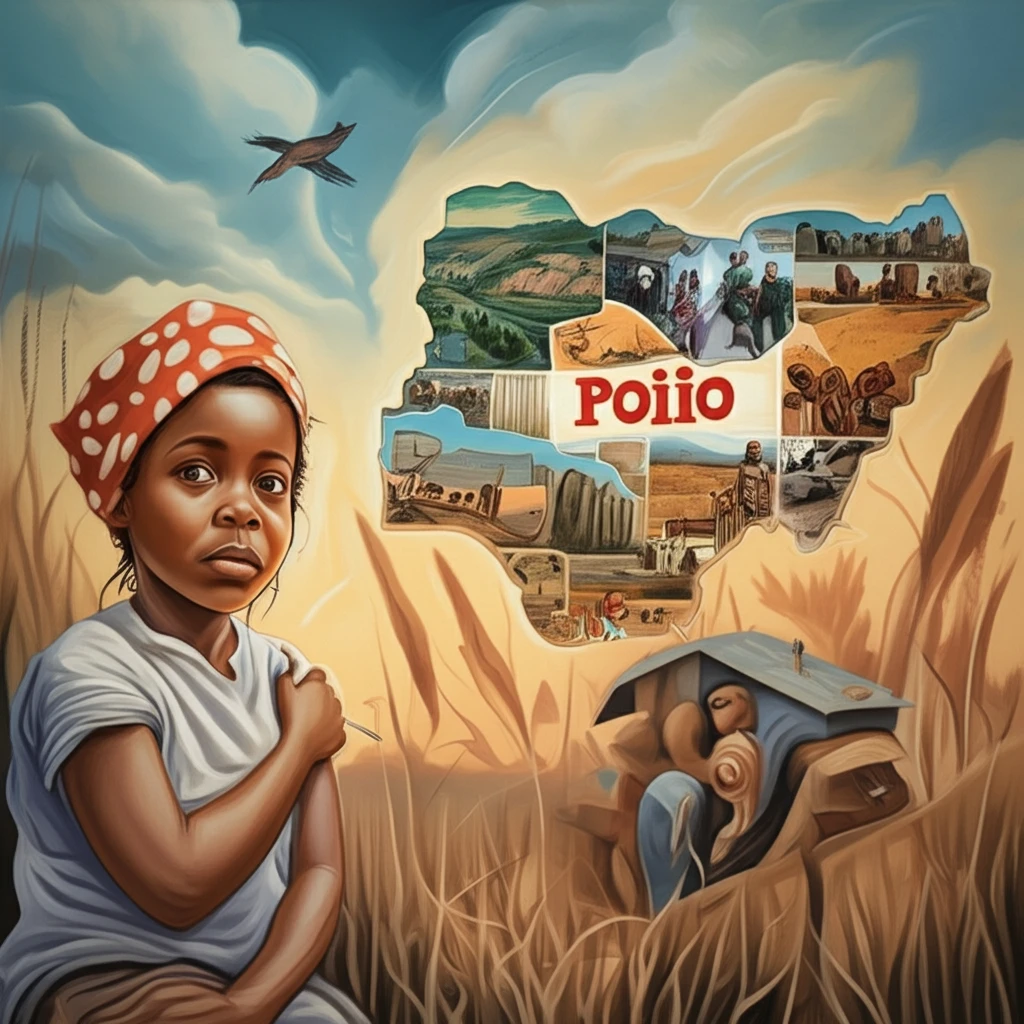
A child receiving a polio vaccine in a hopeful Nigerian community.

Battling Polio: Understanding the Factors Impacting Immunization in Nigeria

"A deep dive into community participation, cultural beliefs, and socio-economic influences affecting polio eradication efforts."


Polio, a devastating and vaccine-preventable disease, continues to pose a challenge in several regions worldwide, particularly in Nigeria. While global efforts have dramatically reduced the incidence of polio, achieving complete eradication requires a multifaceted approach that addresses not only the scientific aspects of immunization but also the intricate web of social, cultural, and economic factors influencing community participation.

Nigeria has faced significant hurdles in its polio eradication efforts, with factors such as misinformation, religious beliefs, and socio-economic disparities contributing to low immunization rates in certain areas. Understanding these barriers is crucial for developing effective strategies to improve community engagement and ensure widespread vaccine coverage.

This article delves into the systematic review of factors affecting community participation in polio immunization in Nigeria, drawing on recent research and publications to provide a comprehensive overview of the challenges and opportunities in the fight against this debilitating disease. Join us as we explore the key determinants of immunization success and the ongoing efforts to create a polio-free future for all.

Key Factors Affecting Polio Immunization in Nigeria

A child receiving a polio vaccine in a hopeful Nigerian community.

Several interconnected factors impact the success of polio immunization campaigns in Nigeria. These factors range from individual attitudes and beliefs to broader socio-economic and political influences. Understanding these elements is essential for designing targeted interventions to improve immunization rates.

Here are some of the critical factors identified in recent research:

  • Knowledge and Awareness: A lack of awareness about polio and the benefits of immunization can lead to hesitancy and refusal. Many parents may not fully understand how polio is transmitted, the severity of the disease, or the effectiveness of the vaccine.
  • Attitudes and Beliefs: Cultural and religious beliefs can significantly influence attitudes toward vaccination. Misconceptions about vaccine safety and efficacy, as well as distrust in healthcare providers, can create barriers to immunization.
  • Community Participation: Active community involvement is essential for successful immunization campaigns. When community leaders, religious figures, and local influencers support and promote vaccination, it can increase acceptance and coverage rates.
  • Socio-Economic Factors: Poverty, lack of access to healthcare, and limited education can all hinder immunization efforts. Families facing economic hardship may struggle to prioritize vaccination, while those living in remote areas may have difficulty accessing immunization services.
  • Geographical Location: Immunization rates often vary between urban and rural areas. Remote and underserved communities may face logistical challenges in accessing vaccines and healthcare services.
These factors highlight the complexity of the challenges facing polio eradication efforts in Nigeria and underscore the need for comprehensive, community-based strategies that address the unique needs and concerns of different populations.

Moving Forward: Strategies for Polio Eradication

Eradicating polio in Nigeria requires a sustained and collaborative effort involving government agencies, healthcare providers, community leaders, and international organizations. By addressing the key factors influencing community participation and implementing targeted interventions, it is possible to achieve widespread immunization coverage and create a polio-free future for all Nigerian children. This includes educational programs to clear up misguidance and instill correct community attitudes. Adult education programs must be implemented to reduce illiteracy.

About this Article -

This article was crafted using a human-AI hybrid and collaborative approach. AI assisted our team with initial drafting, research insights, identifying key questions, and image generation. Our human editors guided topic selection, defined the angle, structured the content, ensured factual accuracy and relevance, refined the tone, and conducted thorough editing to deliver helpful, high-quality information.See our About page for more information.

Everything You Need To Know

1

What are the primary factors hindering polio immunization in Nigeria?

Several interconnected factors impede polio immunization in Nigeria. These include a lack of knowledge and awareness regarding Polio and vaccines, which leads to vaccine hesitancy. Cultural and religious beliefs also play a significant role, as misconceptions about vaccine safety and efficacy can create barriers. Furthermore, socio-economic factors such as poverty, lack of access to healthcare, and limited education contribute to low immunization rates. Geographical location also plays a role, with remote and underserved communities facing logistical challenges in accessing vaccines and healthcare services.

2

How do cultural and religious beliefs impact polio vaccination efforts?

Cultural and religious beliefs significantly influence attitudes toward vaccination in Nigeria. Misconceptions about vaccine safety and efficacy can create barriers to immunization. Some individuals may distrust healthcare providers, further fueling hesitancy. Addressing these concerns requires building trust and engaging community leaders, religious figures, and local influencers to promote vaccination.

3

Why is community participation so critical for polio eradication in Nigeria?

Active community involvement is essential for successful immunization campaigns. When community leaders, religious figures, and local influencers support and promote vaccination, it increases acceptance and coverage rates. This support helps counter misinformation and build trust in healthcare providers. A community-based approach ensures that interventions are tailored to the unique needs and concerns of different populations, improving the chances of achieving widespread vaccine coverage.

4

What role do socio-economic factors play in polio immunization?

Socio-economic factors significantly impact polio immunization efforts. Poverty, lack of access to healthcare, and limited education can hinder immunization. Families facing economic hardship may struggle to prioritize vaccination, while those living in remote areas may have difficulty accessing immunization services. Addressing these challenges requires comprehensive strategies that consider the social and economic realities of affected communities.

5

What strategies are being employed to eradicate polio in Nigeria?

Eradicating polio in Nigeria necessitates a sustained and collaborative effort involving government agencies, healthcare providers, community leaders, and international organizations. Strategies include educational programs to correct misinformation and promote correct community attitudes. Moreover, adult education programs are crucial to reduce illiteracy. These efforts aim to improve community engagement, address the factors influencing immunization, and achieve widespread vaccine coverage, thereby creating a polio-free future for all Nigerian children.

Newsletter Subscribe

Subscribe to get the latest articles and insights directly in your inbox.