
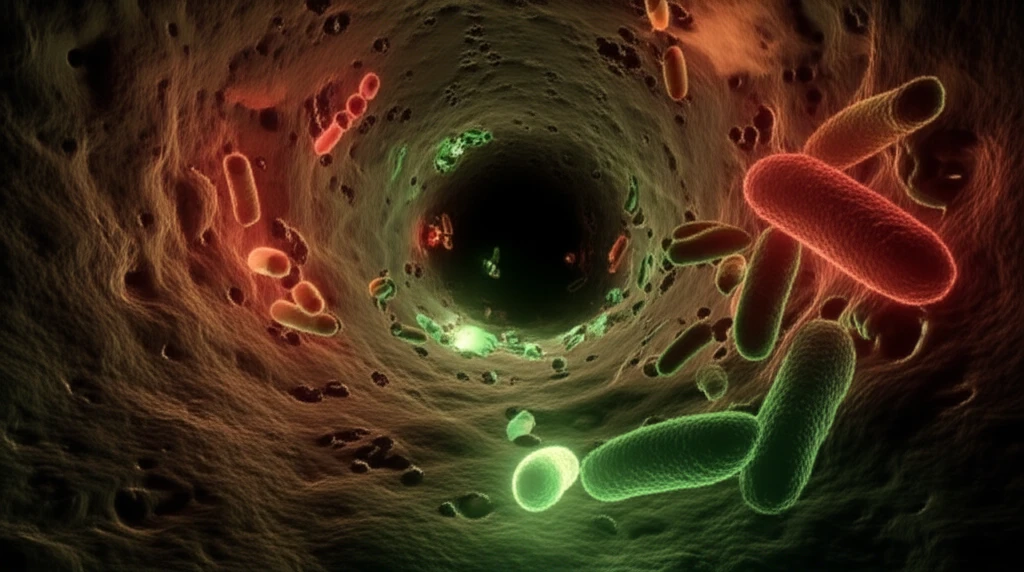
Microscopic view of a chlorine-resistant biofilm forming on a pipe.

Battling Biofilms: How Understanding Chlorine Resistance Can Protect Our Water

"A deep dive into how feedwater chlorination and bacterial resistance impact water quality and biofilm control."


Water—the lifeblood of our homes, cities, and industries—is constantly under threat from unseen adversaries. Among these, biofilms pose a particularly insidious challenge. These slimy layers of microorganisms, clinging tenaciously to surfaces within our water systems, can compromise water quality, reduce the efficiency of industrial processes, and even harbor dangerous pathogens. The battle against biofilms is a constant one, requiring innovative strategies and a deep understanding of microbial behavior.

Chlorination, a long-standing method for disinfecting water, has been a cornerstone of public health for over a century. By introducing chlorine into water systems, we aim to eradicate harmful bacteria and prevent the formation of biofilms. However, the relentless adaptability of microorganisms means that some bacteria have developed resistance to chlorine, undermining its effectiveness and allowing biofilms to flourish even in treated water.

This article delves into the groundbreaking research of Bhojani, Kumar, Saha, and Haldar (2018), who investigated the impact of chlorine-resistant Bacillus spp. on membrane biofouling. Their work sheds light on how feedwater chlorination influences bacterial behavior and biofilm formation. By understanding the mechanisms of chlorine resistance, we can develop more effective strategies for controlling biofilms and ensuring the safety and quality of our water.

Understanding Biofouling: The Bacterial Battleground

Microscopic view of a chlorine-resistant biofilm forming on a pipe.

Biofouling, simply put, is the undesirable accumulation of microorganisms on surfaces immersed in water. These microorganisms, including bacteria, algae, and fungi, adhere to surfaces and form complex communities known as biofilms. Biofilms are not merely random collections of cells; they are highly organized structures with intricate communication systems and a protective matrix that shields the microorganisms from external threats.

The impact of biofouling is far-reaching, affecting various sectors: Water Treatment: Biofilms in water treatment plants can reduce the efficiency of filtration membranes, compromise water quality, and increase the risk of pathogen contamination. Industrial Processes: Biofouling can lead to corrosion, reduced heat transfer efficiency, and increased energy consumption in industries that rely on water-based processes. Marine Environments: Biofouling on ship hulls increases drag, leading to higher fuel consumption and greenhouse gas emissions. It also facilitates the spread of invasive species.

Traditionally, chlorine has been a primary weapon in the fight against biofouling. As a powerful disinfectant, chlorine effectively kills many microorganisms and prevents biofilm formation. However, the emergence of chlorine-resistant bacteria presents a significant challenge. These bacteria can withstand chlorine exposure, proliferate within biofilms, and compromise the effectiveness of water treatment processes. Chlorine resistance isn't just about survival; it's an adaptation that changes the dynamics of microbial communities and the integrity of water systems.

The Future of Water: Proactive Solutions for Biofilm Control

The study by Bhojani et al. underscores the urgent need for innovative strategies to combat chlorine-resistant biofilms. Understanding how feedwater chlorination affects bacterial behavior is crucial for developing more effective water treatment methods. Future research should focus on exploring alternative disinfectants, optimizing chlorination processes, and developing novel biofilm control technologies. By proactively addressing the challenges posed by biofouling, we can ensure safer, cleaner water for all.

About this Article -

This article was crafted using a human-AI hybrid and collaborative approach. AI assisted our team with initial drafting, research insights, identifying key questions, and image generation. Our human editors guided topic selection, defined the angle, structured the content, ensured factual accuracy and relevance, refined the tone, and conducted thorough editing to deliver helpful, high-quality information.See our About page for more information.

Everything You Need To Know

1

What is biofouling and why is it a problem?

Biofouling is the undesirable accumulation of microorganisms, such as bacteria, algae, and fungi, on surfaces immersed in water. These microorganisms form complex communities called biofilms. Biofouling poses significant challenges across various sectors, including water treatment, industrial processes, and marine environments. In water treatment, biofilms can reduce the efficiency of filtration membranes and increase the risk of pathogen contamination. In industrial processes, biofouling leads to corrosion, reduced heat transfer efficiency, and increased energy consumption. In marine environments, it increases drag on ship hulls, leading to higher fuel consumption and greenhouse gas emissions, and facilitates the spread of invasive species.

2

How does chlorination work in water treatment, and why is it sometimes ineffective?

Chlorination is a long-standing method of disinfecting water. It involves introducing chlorine into water systems to eradicate harmful bacteria and prevent the formation of biofilms. Chlorine acts as a powerful disinfectant, killing many microorganisms. However, the effectiveness of chlorination is undermined by the emergence of chlorine-resistant bacteria. These bacteria can withstand chlorine exposure, proliferate within biofilms, and compromise the effectiveness of water treatment processes. This resistance challenges the traditional approach and necessitates exploring alternative strategies.

3

What did the research by Bhojani, Kumar, Saha, and Haldar (2018) investigate?

The research by Bhojani, Kumar, Saha, and Haldar (2018) investigated the impact of chlorine-resistant Bacillus spp. on membrane biofouling. Their work shed light on how feedwater chlorination influences bacterial behavior and biofilm formation. This research helps us to understand the mechanisms of chlorine resistance and to develop more effective strategies for controlling biofilms and ensuring the safety and quality of our water.

4

What are the implications of chlorine-resistant bacteria on water treatment and public health?

Chlorine-resistant bacteria compromise the effectiveness of traditional water treatment processes. When bacteria like Bacillus spp. resist chlorination, they can survive and thrive within biofilms, leading to several critical issues. First, this reduces the efficiency of filtration and disinfection, potentially allowing harmful pathogens to contaminate the water supply. Second, biofilms can harbor these resistant bacteria, providing a protective environment where they can multiply. Third, this can lead to increased health risks, as waterborne diseases become more likely. It underscores the need for more advanced treatment strategies such as exploring alternative disinfectants and novel biofilm control technologies.

5

What are the potential future solutions for battling biofilms and ensuring safer water?

Future solutions for battling biofilms involve innovative strategies focusing on several key areas. There's a need to explore alternative disinfectants that are effective against chlorine-resistant bacteria. Optimizing chlorination processes is also essential to maximize effectiveness while minimizing the development of resistance. Developing novel biofilm control technologies, such as advanced filtration methods or coatings that prevent biofilm formation, is another critical area. Proactive measures are required to ensure safer, cleaner water for all, protecting public health, and maintaining the integrity of water systems. Research by Bhojani, Kumar, Saha, and Haldar (2018) underscores the need for these future directions.

Newsletter Subscribe

Subscribe to get the latest articles and insights directly in your inbox.