
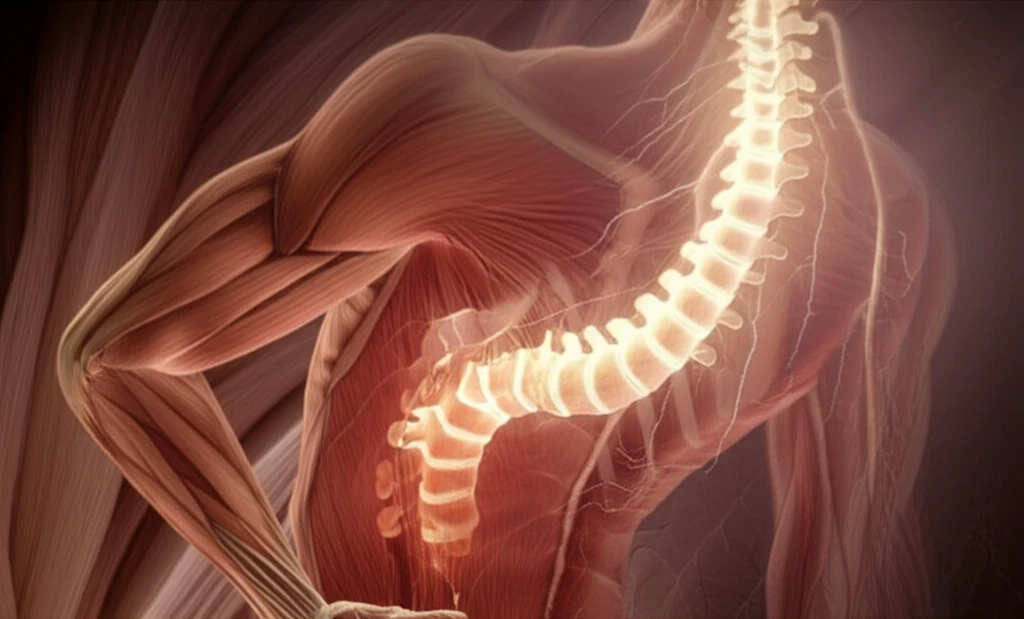
Spine straightening and glowing, symbolizing pain relief and restored function.

Back Pain Breakthrough: Is Minimally Invasive Spinal Fusion Right for You?

"Explore the innovative XLIF procedure for spinal fusion and how it's changing the landscape of back pain treatment."


Chronic back pain can feel like a life sentence, impacting everything from your ability to work to your enjoyment of simple pleasures. For years, traditional open spinal fusion has been the go-to solution for severe cases, but it often comes with a long recovery and potential complications. Fortunately, advancements in medical technology are offering new hope.

One such advancement is minimally invasive spinal fusion, and specifically, the extreme lateral interbody fusion (XLIF) procedure. This approach aims to stabilize the spine and alleviate pain with less disruption to the body, promising a quicker return to your life.

This article will explore the XLIF procedure, its benefits, and what to expect if you're considering it as a treatment option. We'll break down the technical jargon and provide you with the information you need to make an informed decision about your back pain.

Understanding XLIF: A Minimally Invasive Approach to Spinal Fusion

Spine straightening and glowing, symbolizing pain relief and restored function.

Traditional spinal fusion involves a large incision, significant muscle disruption, and a lengthy recovery period. XLIF, on the other hand, is performed through a small incision on the side of your body. This approach allows surgeons to access the spine without cutting through major back muscles.

During the XLIF procedure, the surgeon removes the damaged disc between two vertebrae and inserts a bone graft or spacer. This spacer helps to restore the natural height of the disc space, alleviate pressure on the nerves, and stabilize the spine. In some cases, percutaneous screws are added for extra stability.

  • Reduced Muscle Damage: Smaller incision means less trauma to surrounding tissues.
  • Faster Recovery: Patients typically experience less pain and a quicker return to daily activities.
  • Reduced Blood Loss: Minimally invasive techniques result in less bleeding during surgery.
  • Indirect Decompression: Restoring disc height can relieve pressure on nerves without direct manipulation.
One of the critical aspects of XLIF is the use of real-time electromyography (EMG) monitoring. This technology allows the surgeon to navigate safely through the psoas muscle, which houses nerves that control leg movement. By monitoring nerve activity during the procedure, the risk of nerve damage is minimized.

Is XLIF Right for You? Weighing the Benefits and Risks

While XLIF offers numerous advantages, it's not a one-size-fits-all solution. The best way to determine if XLIF is right for you is to consult with a qualified spine surgeon. They can evaluate your specific condition, medical history, and lifestyle to recommend the most appropriate treatment plan. With careful patient selection and a skilled surgical team, XLIF can be a game-changer in the fight against chronic back pain, helping you regain your mobility and quality of life.

About this Article -

This article was crafted using a human-AI hybrid and collaborative approach. AI assisted our team with initial drafting, research insights, identifying key questions, and image generation. Our human editors guided topic selection, defined the angle, structured the content, ensured factual accuracy and relevance, refined the tone, and conducted thorough editing to deliver helpful, high-quality information.See our About page for more information.

This article is based on research published under:

DOI-LINK: 10.1590/s1808-18512011000300015, Alternate LINK

Title: Opção Minimamente Invasiva Lateral Para Artrodese Intersomática Tóraco-Lombar

Subject: Neurology (clinical)

Journal: Coluna/Columna

Publisher: FapUNIFESP (SciELO)

Authors: Rodrigo Amaral, Luis Marchi, Leonardo Oliveira, Thiago Coutinho, Carlos Castro, Etevaldo Coutinho, Luiz Pimenta

Published: 2011-01-01

Everything You Need To Know

1

What is the XLIF procedure, and how does it differ from traditional spinal fusion?

The extreme lateral interbody fusion (XLIF) procedure is a minimally invasive approach to spinal fusion performed through a small incision on the side of the body. Unlike traditional spinal fusion, which involves a large incision and significant muscle disruption, XLIF allows surgeons to access the spine without cutting through major back muscles. This approach typically results in reduced muscle damage, faster recovery, reduced blood loss, and indirect decompression of nerves. XLIF involves removing the damaged disc and inserting a bone graft or spacer to restore disc height and stabilize the spine. Percutaneous screws may be added for extra stability. Traditional spinal fusion requires more extensive surgery and a longer recovery.

2

What are the key benefits of choosing the XLIF procedure for spinal fusion?

The XLIF procedure offers several benefits including reduced muscle damage because of the smaller incision, which leads to less trauma to surrounding tissues. This smaller incision promotes a faster recovery, allowing patients to experience less pain and return to daily activities sooner. The minimally invasive techniques used in XLIF result in reduced blood loss during surgery. Restoring disc height through XLIF can relieve pressure on nerves without direct manipulation, providing indirect decompression. These advantages make XLIF a compelling option for those seeking relief from chronic back pain.

3

How does electromyography (EMG) monitoring enhance the safety of the XLIF procedure?

Real-time electromyography (EMG) monitoring is critical during the XLIF procedure because it allows the surgeon to safely navigate through the psoas muscle. The psoas muscle houses nerves that control leg movement, and EMG monitoring helps to minimize the risk of nerve damage by monitoring nerve activity in real-time. This technology enables the surgeon to avoid or carefully maneuver around these nerves, enhancing the overall safety and precision of the procedure. Without EMG monitoring, there would be a higher risk of inadvertently damaging these nerves, leading to potential complications.

4

What factors should I consider when determining if the XLIF procedure is the right treatment option for my chronic back pain?

To determine if the XLIF procedure is suitable for your chronic back pain, consulting with a qualified spine surgeon is essential. The surgeon will evaluate your specific condition, medical history, and lifestyle to recommend the most appropriate treatment plan. XLIF is not a one-size-fits-all solution, and careful patient selection is crucial for its success. The surgeon will assess the cause and severity of your back pain, the presence of any spinal instability or nerve compression, and your overall health status. They will also consider other potential treatment options and discuss the benefits and risks of each before deciding if XLIF is the best course of action for you. While other minimally invasive techniques exist, their suitability would depend on the specifics of your diagnosis.

5

Beyond pain relief and faster recovery, what are the broader implications of using minimally invasive spinal fusion techniques like XLIF for treating chronic back pain?

Minimally invasive spinal fusion techniques like XLIF have broader implications that extend beyond just pain relief and faster recovery. By reducing muscle damage and blood loss, XLIF can lead to fewer post-operative complications and a shorter hospital stay, resulting in reduced healthcare costs. The quicker return to daily activities can improve a patient's quality of life, allowing them to return to work and engage in social and recreational activities sooner. XLIF can also reduce the reliance on pain medication, which can have significant long-term health benefits. Moreover, the success of XLIF contributes to the growing body of evidence supporting minimally invasive approaches in spinal surgery, potentially influencing future treatment guidelines and surgical practices. While techniques like percutaneous screw fixation are mentioned, a comprehensive understanding of bone graft materials and fusion rates is also important for long-term success.

Newsletter Subscribe

Subscribe to get the latest articles and insights directly in your inbox.