
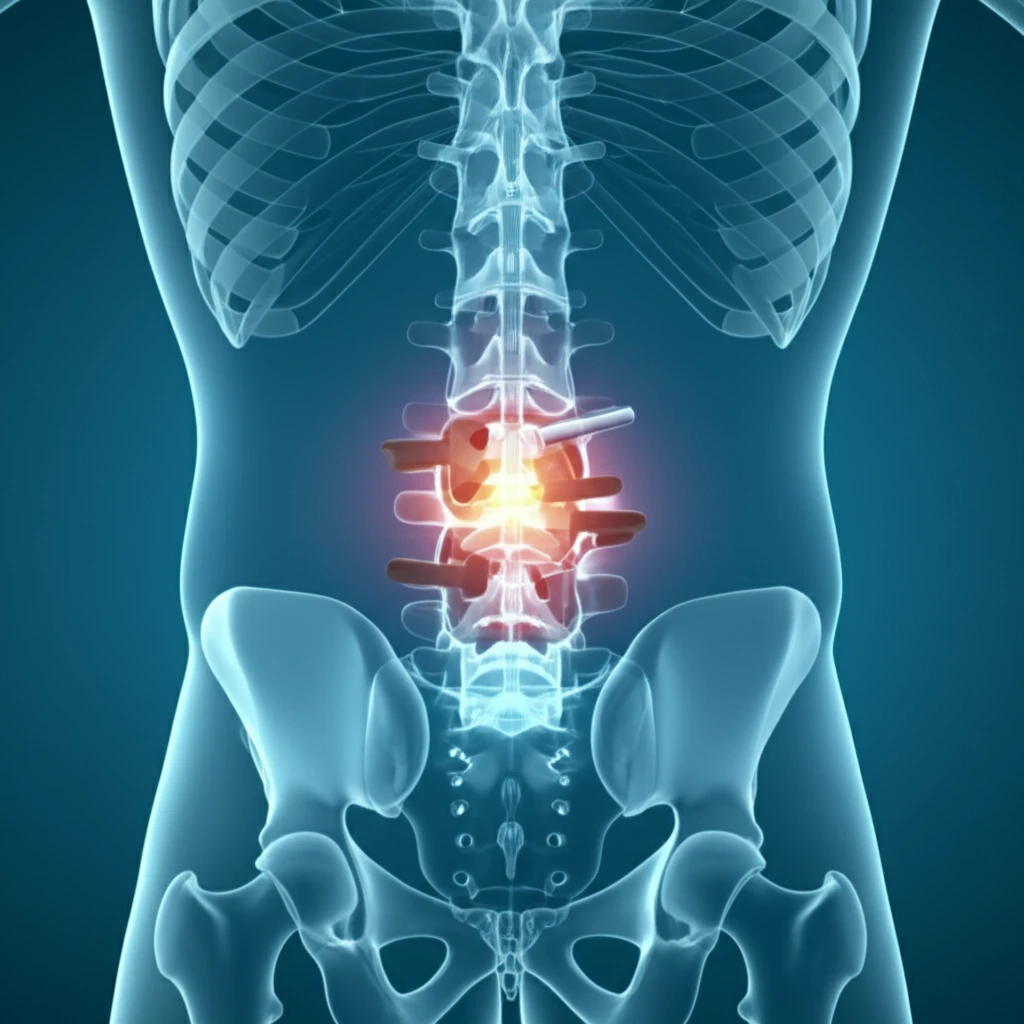
Illustration of PLIF and TLIF surgical procedure

Back Pain Breakthrough: How PLIF and TLIF Surgeries Offer Hope and Healing

"Unlocking Relief: Exploring the PLIF and Modified TLIF Approach for Chronic Back Pain and Spinal Issues"


Back pain is a widespread ailment, affecting millions worldwide and significantly impacting their quality of life. For those who have exhausted conservative treatments, the prospect of surgery can be daunting, but also offers a chance for profound relief. Two key surgical approaches, Posterior Lumbar Interbody Fusion (PLIF) and Transforaminal Lumbar Interbody Fusion (TLIF), offer hope for individuals struggling with chronic back pain and spinal instability.

This article delves into the PLIF and the modified TLIF techniques, examining how these procedures are performed, the conditions they address, and the potential benefits for patients. Whether you're a patient exploring surgical options, or simply curious about advancements in spinal care, this guide provides an insightful overview of these procedures.

We'll also explore the learning objectives of these procedures, the types of cases where they're most effective, and the recovery journey. This information is intended to provide a clear understanding of these surgical options, empowering you to make informed decisions about your health.

Understanding PLIF and Modified TLIF: A Deep Dive into Spinal Fusion Techniques

Illustration of PLIF and TLIF surgical procedure

PLIF and TLIF are both types of spinal fusion surgeries, designed to alleviate back pain by stabilizing the spine. Spinal fusion involves joining two or more vertebrae together, eliminating motion between them. This is often achieved by using bone grafts and implants, such as cages and screws, to create a solid fusion.

The PLIF (Posterior Lumbar Interbody Fusion) approach involves accessing the spine through the back, allowing surgeons to remove the damaged disc and insert a bone graft. The modified TLIF (Transforaminal Lumbar Interbody Fusion), often performed through a PLIF approach, also involves removing the disc and inserting a bone graft, but the approach may be slightly different, often accessing the spine from one side.

  • PLIF: Involves accessing the spine through the back.
  • TLIF: Often performed through a PLIF approach.
  • Spinal fusion: Joining two or more vertebrae together.
  • Bone grafts and implants: Such as cages and screws, are used to create a solid fusion.
Both PLIF and TLIF aim to provide stability and reduce pain by eliminating motion at the affected spinal segment. These procedures can significantly improve the quality of life for those suffering from chronic back pain, spinal instability, and other related conditions.

The Path to Recovery: What Patients Can Expect After PLIF or Modified TLIF

The decision to undergo PLIF or modified TLIF surgery is a significant one, but it can lead to life-changing results for those suffering from chronic back pain and spinal instability. By understanding the procedures, the conditions they treat, and the recovery process, patients can approach this journey with greater confidence and hope. If you're considering these options, consult with a qualified spine surgeon to discuss your specific situation and determine the best course of action for your health.

About this Article -

This article was crafted using a human-AI hybrid and collaborative approach. AI assisted our team with initial drafting, research insights, identifying key questions, and image generation. Our human editors guided topic selection, defined the angle, structured the content, ensured factual accuracy and relevance, refined the tone, and conducted thorough editing to deliver helpful, high-quality information.See our About page for more information.

Everything You Need To Know

1

What are Posterior Lumbar Interbody Fusion (PLIF) and Transforaminal Lumbar Interbody Fusion (TLIF) surgeries, and how do they aim to relieve back pain?

Posterior Lumbar Interbody Fusion (PLIF) and Transforaminal Lumbar Interbody Fusion (TLIF) are spinal fusion surgeries designed to alleviate back pain by stabilizing the spine. PLIF involves accessing the spine through the back to remove the damaged disc and insert a bone graft. TLIF, often performed through a PLIF approach, also involves removing the disc and inserting a bone graft, but the access point may vary. Both procedures eliminate motion between vertebrae using bone grafts and implants to create a solid fusion, reducing pain and improving stability. While not discussed, it is important to consider how patient selection and pre-operative assessment can influence the outcomes of PLIF and TLIF procedures. These factors include the patient's overall health, bone density, and the specific nature of their spinal condition.

2

How do PLIF and modified TLIF stabilize the spine, and what materials are used in this process?

PLIF and modified TLIF stabilize the spine through spinal fusion, which involves joining two or more vertebrae to eliminate motion between them. This is achieved by removing the damaged disc and inserting a bone graft into the space. Implants like cages and screws are then used to further secure the vertebrae and promote fusion. The bone graft serves as a bridge between the vertebrae, eventually fusing them into a single, solid bone. The specific type of bone graft and implants used can vary depending on the patient's condition and the surgeon's preference. While not covered, the long-term implications of spinal fusion, such as adjacent segment degeneration, are important considerations when evaluating the benefits and risks of these procedures.

3

Who are the ideal candidates for PLIF or modified TLIF, and what conditions do these surgeries address?

Ideal candidates for PLIF or modified TLIF are individuals suffering from chronic back pain and spinal instability who have not found relief through conservative treatments. These surgeries address conditions such as degenerative disc disease, spondylolisthesis, spinal stenosis, and other issues that cause instability and pain in the lumbar spine. While not detailed here, a comprehensive evaluation, including imaging studies like MRI and CT scans, is crucial to determine if a patient is a suitable candidate for these procedures. Factors such as the severity of nerve compression, the degree of spinal instability, and the patient's overall health are all taken into account.

4

What can patients expect during the recovery process after undergoing PLIF or modified TLIF surgery?

After undergoing PLIF or modified TLIF surgery, patients can expect a period of recovery focused on healing and rehabilitation. The recovery process typically involves pain management, physical therapy, and a gradual return to normal activities. Initially, patients may need to use assistive devices like walkers or canes. Physical therapy helps to strengthen the back muscles, improve flexibility, and restore proper posture. It is important for patients to follow their surgeon's instructions carefully and attend all scheduled follow-up appointments to ensure optimal healing. While not addressed, factors such as the patient's age, overall health, and adherence to the rehabilitation program can significantly impact the speed and success of the recovery process.

5

What are the potential long-term benefits of PLIF and TLIF, and how can they impact a patient's quality of life?

The potential long-term benefits of PLIF and TLIF include significant pain reduction, improved spinal stability, and an enhanced quality of life. By eliminating motion at the affected spinal segment, these surgeries can alleviate chronic back pain and allow patients to return to activities they previously found difficult or impossible. The increased stability can also prevent further degeneration of the spine and reduce the risk of future problems. Though not mentioned, patient satisfaction and functional outcomes following PLIF and TLIF can vary based on factors such as the patient's pre-operative condition, the surgical technique used, and the success of the fusion. Regular follow-up appointments and adherence to a healthy lifestyle are essential for maintaining the long-term benefits of these procedures.

Newsletter Subscribe

Subscribe to get the latest articles and insights directly in your inbox.