
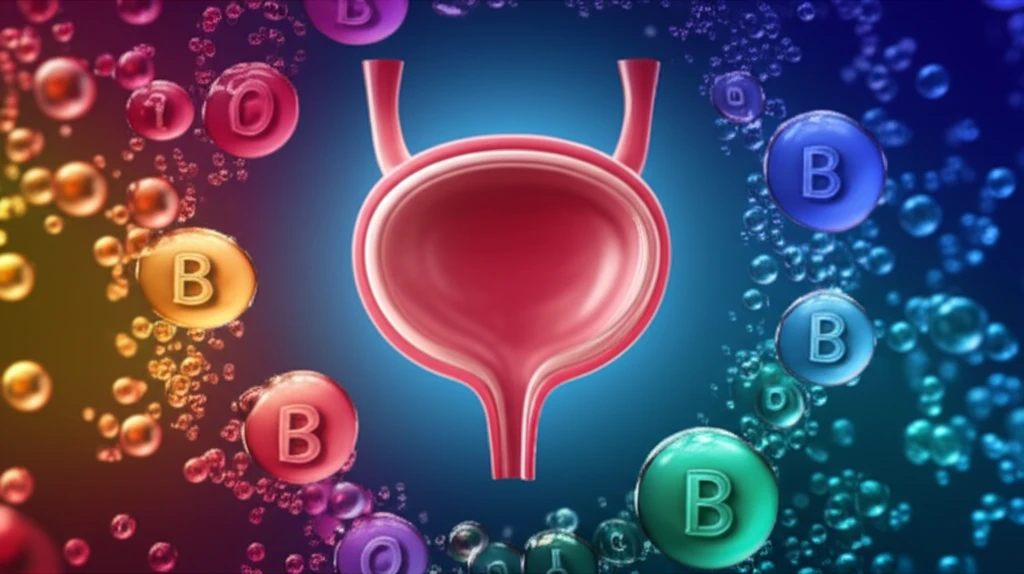
B Vitamins and Cancer: Unveiling the Truth About Urothelial Cell Carcinoma

"Are you getting enough B vitamins? New research explores the link between B vitamin levels and urothelial cell carcinoma, offering crucial insights for prevention and overall health."
Urothelial cell carcinoma (UCC), a common type of bladder cancer, is a significant health concern worldwide. While factors like smoking and chemical exposure are well-known risks, the role of diet, particularly B vitamins, has been less clear. B vitamins play a critical role in DNA synthesis, repair, and methylation, all vital processes for maintaining healthy cells.
Previous studies examining the link between B vitamin intake and UCC have yielded inconsistent results, possibly due to the challenges in accurately measuring dietary intake. This has led researchers to explore a more direct measure: circulating levels of B vitamins in the blood.
A recent study delved into this connection, investigating whether pre-diagnostic blood levels of B vitamins are associated with the risk and survival rates of individuals with UCC. Let's explore the findings and what they mean for your health.
B Vitamins and UCC Risk: What the Study Revealed?
The Melbourne Collaborative Cohort Study (MCCS) conducted a nested case-control study. Researchers measured B vitamin levels in blood samples collected before a UCC diagnosis. They then compared these levels between individuals who developed UCC and a matched control group.
- No Strong Associations: The study found no significant associations between pre-diagnostic plasma levels of B vitamins and the risk of developing UCC.
- Subtype Analysis: Researchers investigated whether the link between B vitamins and UCC differed based on the type of tumor (invasive or superficial). Again, no significant differences were found.
- Subgroup Analysis: The study also examined subgroups based on smoking status, alcohol intake, and country of birth. The results remained largely consistent, with one exception.
- Folate and Country of Birth: An intriguing finding emerged for folate (vitamin B9). Individuals of Italian origin showed a possible increased risk of UCC associated with higher folate levels. However, this association was not observed in other groups.
The Bottom Line: B Vitamins and Your Health
While this study didn't find a direct link between B vitamin levels and UCC risk, B vitamins remain essential for overall health. Maintaining a balanced diet rich in these nutrients is crucial for various bodily functions, including energy production, nerve function, and cell growth. Focus on a diverse diet with plenty of fruits, vegetables, and whole grains to ensure you're getting the B vitamins you need. If you have concerns about your B vitamin levels, consult with your healthcare provider for personalized advice.