
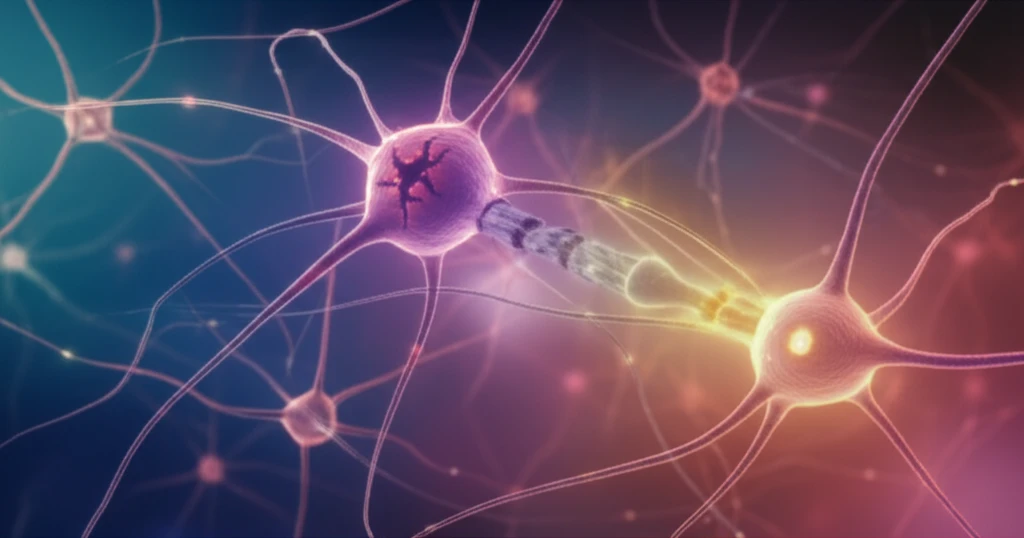
Astroplasticity: Can We Retrain Our Brain's Support Cells for Healing?

"Explore how directing astrocyte behavior could revolutionize treatments for brain injuries and neurological disorders."
Our brains are incredible at adapting, but what if we could boost that ability after an injury or when disease strikes? That's where astrocytes come in. These star-shaped cells, abundant in our central nervous system, have traditionally been seen as support staff for neurons (our brain's workhorses). However, groundbreaking research is revealing that astrocytes are far more dynamic and influential than previously thought.
Scientists are discovering that astrocytes can change their behavior in response to different signals, a concept termed 'astroplasticity.' This means astrocytes can be 'retrained' to promote healing and recovery in the brain. Instead of passively reacting to damage, they can be actively directed towards neuroregeneration, offering hope for new treatments for a range of neurological conditions.
This article explores the exciting potential of astroplasticity, diving into the latest research, biotechnological advancements, and strategies for directing astrocyte behavior to foster brain repair. Join us as we unravel the complexities of these fascinating cells and their promise for the future of neurological medicine.
Understanding Astrocyte Reactivity: From Damage Control to Recovery
Astrocytes are highly sensitive to their environment, reacting dynamically to various injuries and diseases. When damage occurs, astrocytes can transform into different states, some of which are helpful and some harmful. For example, after an injury, astrocytes often form a scar, walling off the damaged area. While this protects surrounding tissue, it can also inhibit the growth of new connections.
- Harmful Roles: Contributing to inflammation, inhibiting nerve cell growth, and forming barriers to regeneration.
- Helpful Roles: Secreting growth factors, promoting synapse formation, and supporting neuronal survival.
- The Goal: To shift astrocytes away from harmful roles and towards regenerative ones.
The Future of Astrocellular Therapeutics
While the field of astroplasticity is still in its early stages, the potential for therapeutic breakthroughs is immense. By combining our growing knowledge of astrocyte biology with innovative technologies, we can develop targeted strategies to promote brain repair and restore function after injury and disease. From refining gene manipulation techniques to designing supportive biomaterials, the possibilities are vast and offer a beacon of hope for individuals affected by neurological conditions.