
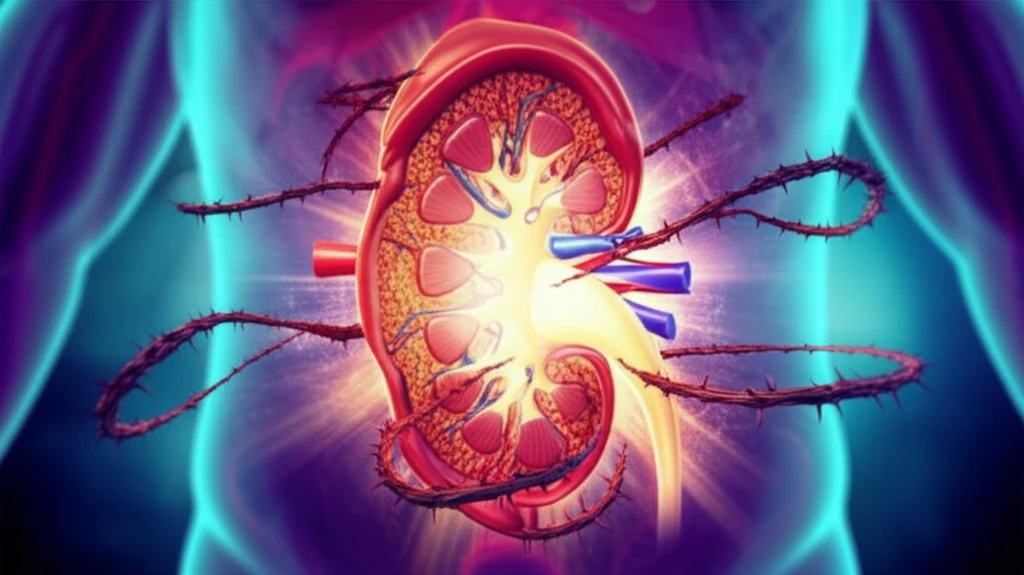
Protecting kidneys from aristolochic acid with a shield.

Aristolochic Acid: Unmasking the Hidden Threat to Your Kidney Health

"Explore how this natural toxin causes kidney damage and what you can do to protect yourself."


Have you ever considered that a seemingly harmless herbal remedy could pose a significant threat to your kidney health? Aristolochic acid (AA), a naturally occurring toxin found in certain plants, has been linked to severe kidney damage and even cancer. Understanding the risks associated with AA is crucial for safeguarding your well-being and making informed health choices.

Aristolochic acid nephropathy (AAN) is a progressive kidney disease caused by exposure to aristolochic acid. This insidious toxin leads to gradual scarring and fibrosis within the kidneys, impairing their ability to filter waste and maintain overall health. The chronic nature of AAN means that damage often progresses silently, making early detection and prevention key.

The danger of aristolochic acid extends beyond direct kidney damage. Research indicates that AA can also disrupt the delicate balance within kidney cells, impacting their structure and function. Additionally, AA's effects on blood vessels surrounding the kidneys can further exacerbate the damage, leading to a cascade of health problems.

How Aristolochic Acid Damages Your Kidneys

Protecting kidneys from aristolochic acid with a shield.

Aristolochic acid doesn't just harm kidneys directly; it sets off a chain reaction of cellular and molecular events that worsen kidney health. The toxin targets key kidney structures, leading to a breakdown in their normal function. Understanding these mechanisms is essential for developing effective prevention and treatment strategies.

Here’s a breakdown of how aristolochic acid impacts your kidneys:

  • Direct Cellular Damage: AA directly damages the cells lining the kidney tubules, which are essential for filtering waste products. This damage leads to cell death and inflammation.
  • Fibrosis and Scarring: Over time, the continuous damage from AA triggers a process called fibrosis, where scar tissue replaces healthy kidney tissue. This scarring reduces the kidney's ability to function properly.
  • Blood Vessel Disruption: AA affects the small blood vessels surrounding the kidney tubules, reducing blood flow and oxygen supply. This disruption further impairs kidney function and contributes to tissue damage.
  • Inflammation and Oxidative Stress: Exposure to AA causes inflammation and oxidative stress within the kidneys. These processes damage cellular structures and contribute to the progression of kidney disease.
The research highlights the importance of understanding how AA disrupts the normal function of kidney cells and blood vessels. By identifying these mechanisms, scientists and healthcare professionals can develop targeted interventions to protect kidney health and prevent the progression of AAN.

Protecting Your Kidneys from Aristolochic Acid

Awareness is the first step in protecting yourself from the dangers of aristolochic acid. By understanding the risks, making informed choices, and advocating for stricter regulations, you can safeguard your kidney health and promote a healthier future. The information in this article serves as a starting point, and consulting with healthcare professionals ensures personalized and effective strategies for kidney protection.

About this Article -

This article was crafted using a human-AI hybrid and collaborative approach. AI assisted our team with initial drafting, research insights, identifying key questions, and image generation. Our human editors guided topic selection, defined the angle, structured the content, ensured factual accuracy and relevance, refined the tone, and conducted thorough editing to deliver helpful, high-quality information.See our About page for more information.

Everything You Need To Know

1

What is aristolochic acid, and why is it harmful?

Aristolochic acid (AA) is a naturally occurring toxin found in certain plants, particularly in some herbal remedies. It's dangerous because it causes aristolochic acid nephropathy (AAN), a progressive kidney disease. AA directly damages the cells within the kidney tubules, leading to inflammation, fibrosis, and scarring, impairing the kidney's ability to filter waste and maintain overall health. The damage can extend to blood vessels, reducing blood flow and oxygen supply, worsening the issue.

2

How does aristolochic acid damage the kidneys on a cellular level?

Aristolochic acid damages the kidneys through multiple mechanisms. Firstly, it causes direct cellular damage to the cells lining the kidney tubules, essential for filtering waste products. This leads to cell death and inflammation. Secondly, it triggers fibrosis, where scar tissue replaces healthy kidney tissue, reducing its function. Thirdly, it disrupts blood flow and oxygen supply by affecting the small blood vessels surrounding the kidney tubules. Finally, AA causes inflammation and oxidative stress, damaging cellular structures and worsening kidney disease. These actions collectively impair the kidneys' ability to function correctly.

3

What is aristolochic acid nephropathy (AAN), and what are its implications?

Aristolochic acid nephropathy (AAN) is a progressive kidney disease caused by exposure to aristolochic acid (AA). It leads to gradual scarring and fibrosis within the kidneys, impairing their ability to filter waste and maintain overall health. The chronic nature of AAN means that damage often progresses silently, making early detection and prevention key. The implications of AAN are severe, potentially leading to kidney failure, and it also increases the risk of kidney cancer. Therefore, avoiding AA and understanding its effects are critical for kidney health.

4

Beyond kidney damage, what are the other health risks associated with aristolochic acid exposure?

The dangers of aristolochic acid extend beyond direct kidney damage. While the primary impact is on kidney health, AA can also disrupt the delicate balance within kidney cells, impacting their structure and function, and affect blood vessels surrounding the kidneys. Research indicates that exposure to aristolochic acid can increase the risk of certain cancers. The toxin is linked to a higher incidence of urothelial cancers, affecting the lining of the urinary tract, which includes the kidneys, ureters, bladder, and urethra. This underscores the need for awareness and preventative measures.

5

How can someone protect their kidneys from aristolochic acid?

Protecting your kidneys from aristolochic acid (AA) begins with awareness of the risks. Key strategies include avoiding herbal remedies that contain AA, as it's found in certain plants. Checking the ingredients of herbal products and confirming their safety is crucial. Additionally, advocating for stricter regulations on herbal products can help ensure that potentially harmful substances like AA are not present. Consulting with healthcare professionals is essential for personalized advice and to monitor kidney health. Early detection and prevention are key, and this is a starting point for safeguarding kidney health and promoting a healthier future.

Newsletter Subscribe

Subscribe to get the latest articles and insights directly in your inbox.