
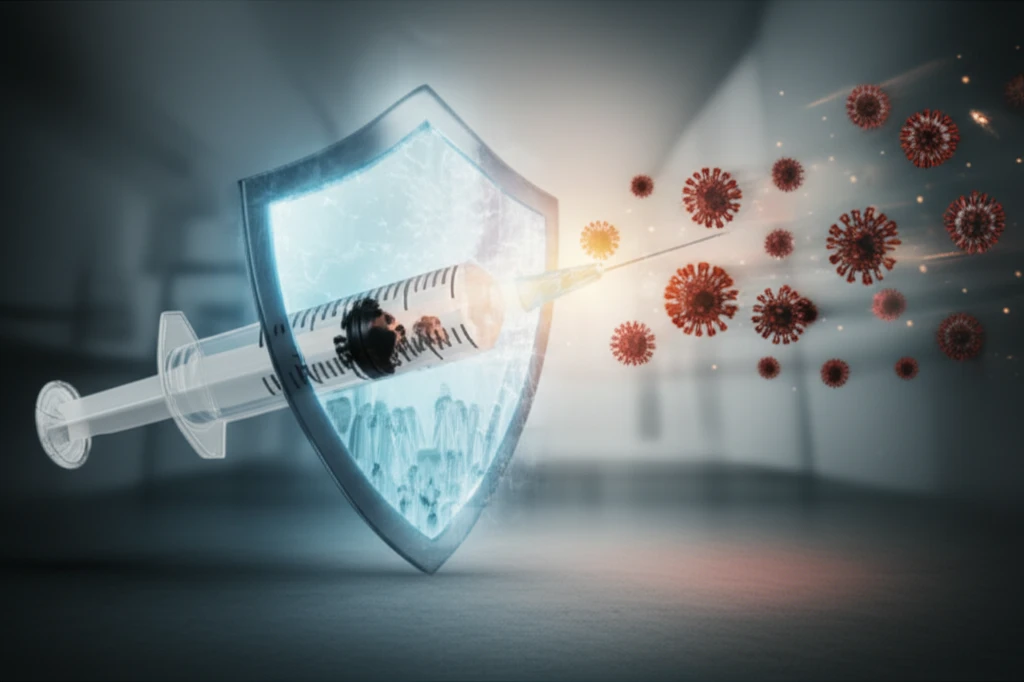
Are You Really Protected? Why Hepatitis B Post-Vaccination Checks are a Must

"Uncover the hidden risks of assuming immunity and learn why verifying your Hepatitis B vaccination is crucial for your health and safety."
Hepatitis B is a serious global health concern, silently affecting millions and posing a significant risk, especially to healthcare workers. While the Hepatitis B vaccine is a powerful tool, it's not a guaranteed shield. Many factors can influence its effectiveness, making post-vaccination verification a critical step that's often overlooked.
Imagine going through the vaccination process, believing you're protected, only to discover later that you're still vulnerable. This is the reality for a percentage of vaccinated individuals. The implications can be severe, leading to potential infection and long-term health consequences, particularly for those in high-risk professions.
This article dives into the importance of post-vaccination verification for Hepatitis B, particularly among primary healthcare workers. We'll explore why it's essential to confirm immunity, what factors can affect vaccine effectiveness, and how to ensure you're truly protected against this potentially devastating virus.
Why Can't We Simply Rely on Vaccination?
The Hepatitis B vaccine is highly effective, but it doesn't work perfectly for everyone. Several factors can influence whether or not a person develops sufficient antibodies to achieve immunity. Understanding these factors is the first step in recognizing the importance of post-vaccination verification.
- Non-Responders: A small percentage of people (5-10%) don't produce adequate antibodies after the standard three-dose vaccination series. These individuals are considered non-responders and remain susceptible to Hepatitis B.
- Waning Immunity: Antibody levels can decline over time, especially in individuals vaccinated as children. While some level of protection may persist, it might not be sufficient to prevent infection in all cases.
- Underlying Health Conditions: Certain medical conditions, such as obesity, immune deficiencies, and kidney disease, can reduce the effectiveness of the Hepatitis B vaccine.
- Lifestyle Factors: Smoking and excessive alcohol consumption can also impair the immune response to the vaccine.
- Age: Older adults may not respond as robustly to the Hepatitis B vaccine compared to younger individuals.
Taking Control of Your Health
Don't leave your health to chance. Talk to your doctor about getting a simple blood test to verify your immunity to Hepatitis B after vaccination. It's a small step that can provide invaluable peace of mind and protect you from a potentially serious health threat. Be proactive about your health and ensure you're truly protected.