
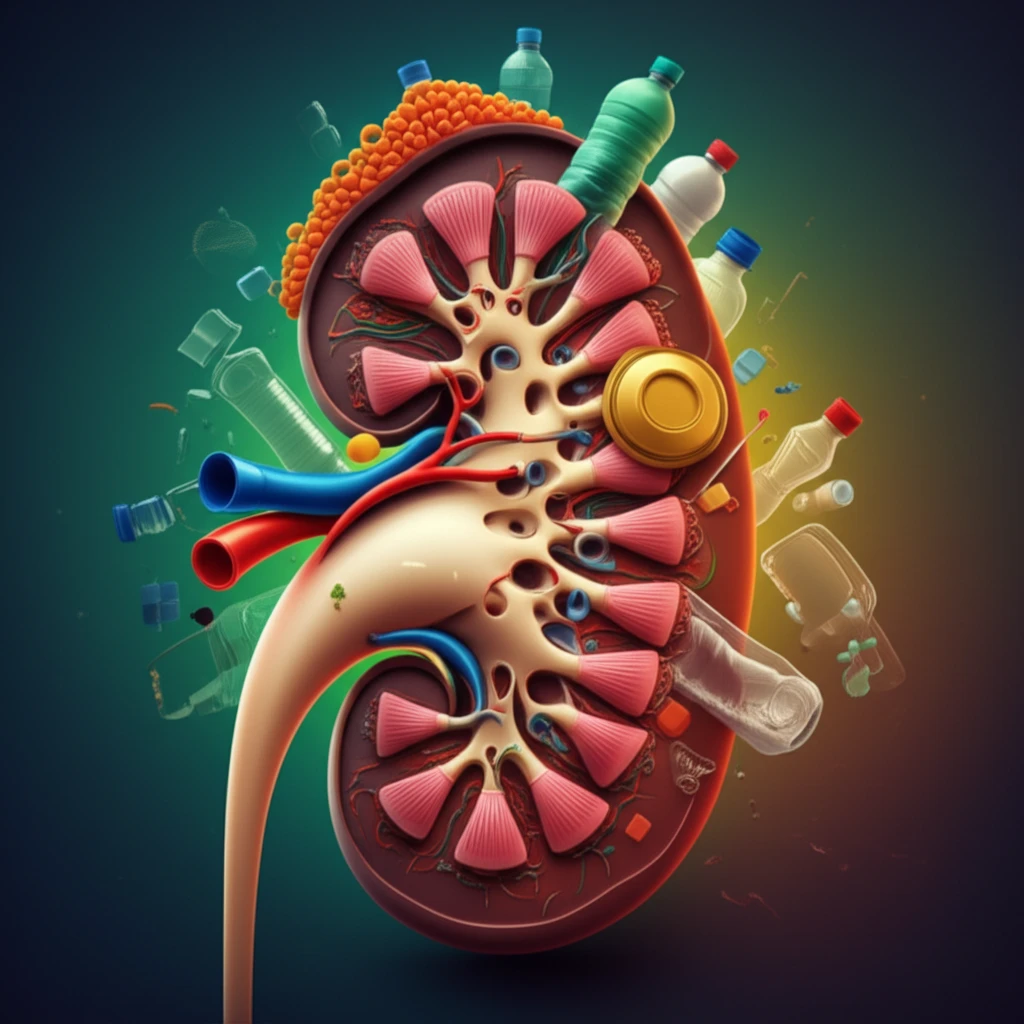
Are Phthalates Harming Your Kidneys? New Study Reveals the Hidden Dangers in Everyday Plastics

"Uncover the link between phthalate exposure and impaired kidney function, especially in Shanghai adults, and how to protect yourself from these 'everywhere chemicals'."
In today's world, plastics are virtually unavoidable. They're in our food packaging, personal care products, children's toys, and countless other everyday items. But what if these ubiquitous plastics were silently impacting your health? A growing body of research suggests that phthalates, chemicals used to make plastics more flexible, could be taking a toll on your kidneys.
Phthalates are known as endocrine disruptors, meaning they can interfere with the body's hormonal system. While previous studies have linked phthalate exposure to reproductive and developmental issues, a recent study sheds light on a concerning connection to kidney health, particularly in adults. This is especially worrying considering the potential for long-term effects, as our kidneys filter toxins and maintain overall balance in the body.
This article delves into the findings of a detailed study conducted in Shanghai, China, exploring the relationship between urinary phthalate concentrations and impaired kidney function. We'll break down the key takeaways, what it means for your health, and practical steps you can take to minimize your exposure to these 'everywhere chemicals'.
The Shanghai Study: Unveiling the Phthalate-Kidney Connection
Researchers from Fudan University and the University of Hawaii investigated the link between phthalate exposure and kidney function in a sample of 1,663 adults in Shanghai. Participants provided urine samples, which were then analyzed for the presence of ten common phthalate metabolites (breakdown products of phthalates) and key indicators of kidney function. The study used sophisticated statistical methods to tease out the relationship between these factors, while accounting for other potential influences like age, sex, diet, and lifestyle.
- Key Phthalate Culprits: The metabolites of di(2-ethylhexyl) phthalate (DEHP) and benzyl butyl phthalate (BBzP) were particularly implicated in impaired kidney function. DEHP is commonly used in food packaging and medical devices, while BBzP is found in some personal care products and adhesives.
- Specific Impacts on Kidney Markers: The study identified that higher levels of phthalates were associated with increased levels of albumin, B2M, and NAG – all signs of potential kidney stress and damage. Albumin in the urine can indicate damage to the kidney's filtering units, while elevated B2M and NAG suggest problems with tubular function (the kidney's waste processing system).
- Co-exposure Matters: The researchers also explored the effects of exposure to multiple phthalates simultaneously. Their analysis suggested that combined exposure to several phthalate metabolites further increased the risk of impaired kidney function.
Protecting Your Kidneys: Practical Steps to Reduce Phthalate Exposure
The findings of the Shanghai study provide a valuable wake-up call, highlighting the potential risks of phthalate exposure to kidney health. While more research is needed to fully understand the long-term effects, taking proactive steps to minimize your exposure to these chemicals is a wise choice. Remember, small changes in your daily habits can add up to a big difference in protecting your health and well-being. By being informed and making conscious choices, you can minimize your phthalate exposure and prioritize your kidney health.