
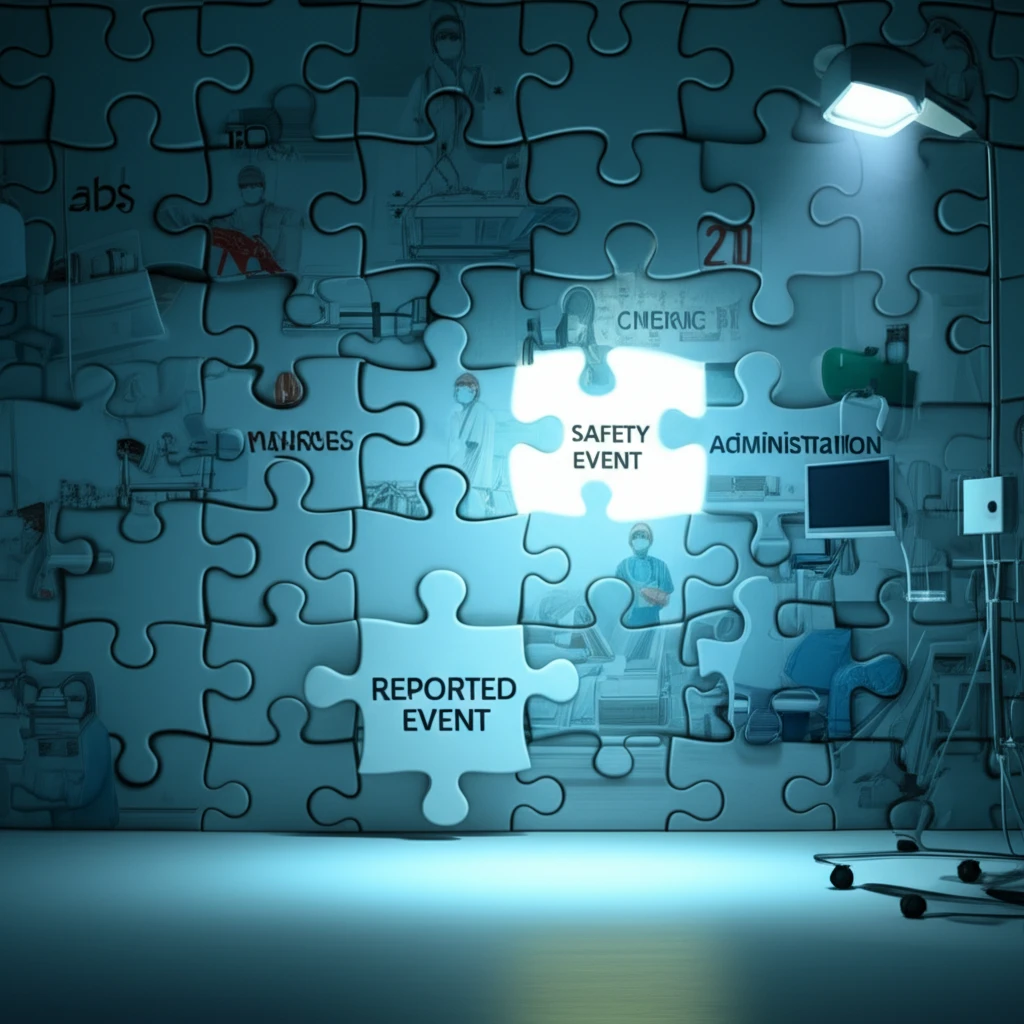
Are Hospitals Safe? Understanding and Improving Patient Safety Reporting

"A deep dive into why safety events go unreported and what can be done to foster a culture of transparency and proactive risk management."
In the high-stakes environment of hospitals, ensuring patient safety is paramount. Medical errors, adverse events, and near misses can all impact patient outcomes. Recognizing and reporting these incidents is crucial for continuous improvement and preventing future harm. However, studies consistently show that a significant number of safety events go unreported. This lack of transparency hinders efforts to create safer healthcare environments.
The Institute of Medicine's landmark report, 'To Err is Human,' brought the issue of medical errors to the forefront, highlighting the need for systemic changes in healthcare. While electronic portals and standardized taxonomies have been introduced to facilitate event reporting, physician participation remains a challenge. Residents, who are often on the front lines of patient care, are particularly infrequent reporters. Understanding the reasons behind this underreporting is essential for developing effective interventions.
This article delves into the complexities of patient safety reporting in hospitals, examining the barriers that prevent residents and other healthcare professionals from reporting safety events. It also explores strategies to foster a culture of transparency, accountability, and continuous learning, ultimately improving patient outcomes and creating a safer environment for both patients and providers.
Unveiling the Barriers: Why Safety Events Go Unreported
Several factors contribute to the underreporting of safety events in hospitals. These barriers can be broadly categorized as:
- Lack of Knowledge: Many healthcare professionals, especially residents, may not fully understand what constitutes a reportable safety event. They may be unsure whether to report near misses or may not recognize the potential harm associated with certain incidents.
- Time Constraints: Busy workloads and time pressures can make it difficult for healthcare professionals to find the time to report safety events. The reporting process itself may be perceived as cumbersome and time-consuming.
- Fear of Retribution: Some healthcare professionals may fear retribution from supervisors or colleagues for reporting safety events. They may worry about being blamed for errors or facing negative consequences for speaking up.
- Lack of Perceived Change: Healthcare professionals may believe that reporting safety events will not lead to any meaningful changes or improvements in patient safety. This can lead to a sense of futility and discourage them from reporting.
- Hierarchy and Culture: In hierarchical healthcare settings, junior staff members may be hesitant to report safety events involving senior staff members. A culture of silence or fear can also discourage reporting.
- Unclear Reporting Processes: Confusing or complicated reporting processes can deter healthcare professionals from reporting safety events. A lack of clarity about who to report to, what information to include, and how the information will be used can create barriers to reporting.
Building a Culture of Safety: Steps Towards Improvement
Addressing the challenge of underreporting requires a multifaceted approach focused on creating a culture of safety. Hospitals and healthcare organizations should implement strategies to improve knowledge, streamline reporting processes, and foster a non-punitive environment where healthcare professionals feel safe to speak up. By prioritizing patient safety and promoting transparency, healthcare organizations can create a safer environment for patients and providers.