
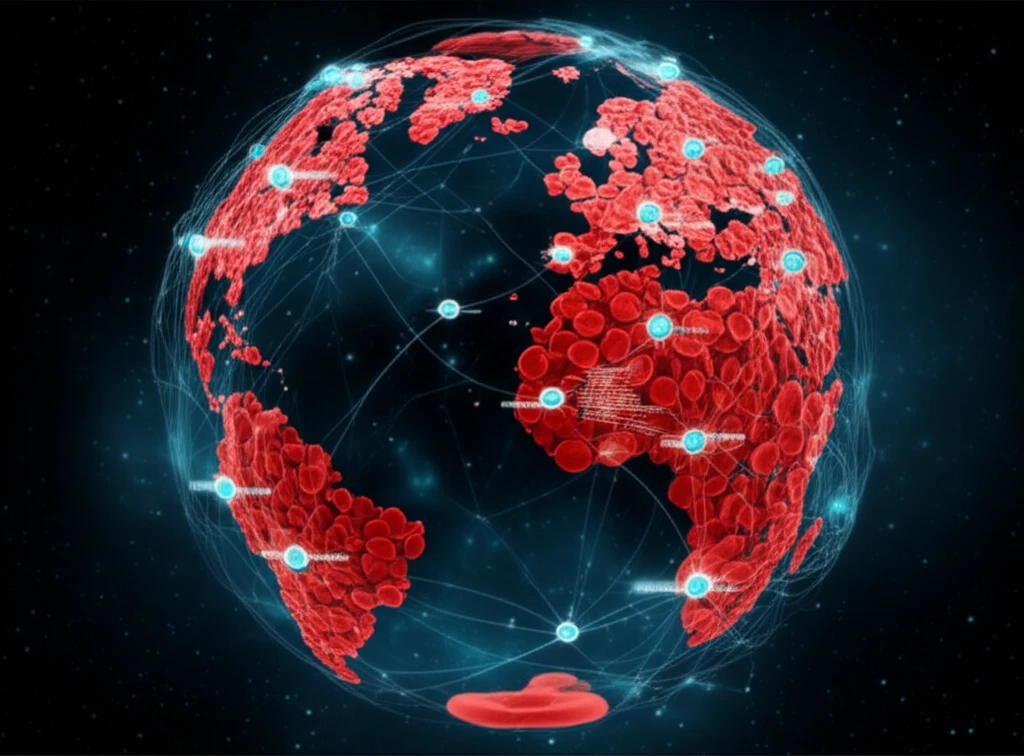
Global network of apheresis data sharing.

Apheresis Data: Why a Global Registry Matters to Your Health

"Discover how worldwide data collection is refining apheresis procedures, improving patient outcomes, and ensuring safer treatments."


Hemapheresis, a sophisticated medical procedure used to treat various illnesses by removing specific components from the blood, demands careful monitoring and evaluation. The clinical data gathered during these procedures is invaluable for refining techniques and improving patient outcomes. Recognizing this need, the World Apheresis Association (WAA) established a registry to collect and analyze hemapheresis data from centers around the globe.

This article delves into the significance of the WAA Registry, highlighting how the collaborative effort of data registration enhances the quality and safety of apheresis treatments. By examining the experiences of a center actively participating in the registry, we uncover the benefits of shared knowledge and standardized practices in this specialized field.

The WAA Registry facilitates the comparison of data across different centers, enabling healthcare professionals to identify best practices and address potential complications proactively. This global perspective is essential for centers that may not encounter certain diseases or interventions frequently, providing a broader evidence base for clinical decision-making.

Unlocking Insights: How the WAA Registry Improves Apheresis

Global network of apheresis data sharing.

One center's experience, registering 7,927 hemaphereses in 956 patients over a decade (2006-2016), illustrates the registry's impact. By contributing data on patient demographics, procedures, and outcomes, this center gained valuable insights into its performance compared to the broader WAA Registry data. Key findings revealed differences in the utilization of specific apheresis techniques, such as cascade filtration, and highlighted the importance of collaboration with specialized departments like bone marrow transplantation.

The WAA Registry not only facilitates quality assessment but also promotes independent evaluation and innovation. Each participating center retains its unique code, allowing for confidential and non-competitive assessments. This autonomy fosters a culture of continuous improvement, where centers can learn from each other's experiences without compromising their individual approaches.

The benefits of participating in the WAA Registry include:
  • Enhanced quality assessment through comparison with global data.
  • Identification of best practices and reduction of side effects.
  • Independent and confidential evaluation of center performance.
  • Time-efficient registration process.
  • Access to a free and valuable resource for improving patient care.
Moreover, the registry's detailed data allows for the evaluation of therapy effectiveness across different diagnoses. By classifying patients according to the International Statistical Classification of Diseases and Related Health Problems, centers can identify areas where their outcomes may differ from the overall registry data. This comparative analysis is crucial for refining treatment strategies and tailoring interventions to specific patient populations.

The Future of Apheresis: Data-Driven Improvements

The WAA Registry plays a pivotal role in advancing the field of apheresis by fostering collaboration, promoting quality assessment, and enabling data-driven improvements. As more centers participate and contribute their experiences, the registry's value will continue to grow, leading to safer and more effective treatments for patients worldwide.

The ongoing evolution of apheresis indications, with increasing applications in oncology and stem cell collections, underscores the importance of a comprehensive registry like the WAA. By tracking these trends and analyzing outcomes, the registry can help centers adapt their practices and optimize their services to meet the changing needs of patients.

Ultimately, the WAA Registry is a testament to the power of shared knowledge and collaborative efforts in healthcare. By embracing data registration and engaging with the global apheresis community, centers can enhance their performance, improve patient outcomes, and contribute to the continued advancement of this life-saving therapy.

About this Article -

This article was crafted using a human-AI hybrid and collaborative approach. AI assisted our team with initial drafting, research insights, identifying key questions, and image generation. Our human editors guided topic selection, defined the angle, structured the content, ensured factual accuracy and relevance, refined the tone, and conducted thorough editing to deliver helpful, high-quality information.See our About page for more information.

Everything You Need To Know

1

What is hemapheresis and why is the World Apheresis Association (WAA) Registry important?

Hemapheresis involves removing specific blood components to treat illnesses. The World Apheresis Association (WAA) Registry is vital because it collects and analyzes data from hemapheresis centers worldwide. This global data sharing helps refine techniques, enhance patient outcomes, and ensure safer treatments.

2

How does the World Apheresis Association (WAA) Registry facilitate comparison of data across different centers?

The World Apheresis Association (WAA) Registry allows healthcare professionals to compare data across different centers. By identifying best practices and proactively addressing potential complications it provides a broader evidence base, especially beneficial for centers that infrequently encounter certain diseases or interventions, ultimately enhancing clinical decision-making.

3

What are the key benefits of participating in the World Apheresis Association (WAA) Registry?

Participating in the World Apheresis Association (WAA) Registry offers numerous benefits including enhanced quality assessment through comparison with global data, identification of best practices, reduction of side effects, independent and confidential evaluation of center performance, a time-efficient registration process, and access to a free and valuable resource for improving patient care. All these contribute to improved patient outcomes and a culture of continuous improvement.

4

How does the World Apheresis Association (WAA) Registry use the International Statistical Classification of Diseases and Related Health Problems, and why is it important?

The International Statistical Classification of Diseases and Related Health Problems is used to classify patients in the World Apheresis Association (WAA) Registry. This classification allows centers to identify areas where their outcomes may differ from the overall registry data, facilitating comparative analysis crucial for refining treatment strategies and tailoring interventions to specific patient populations. This ensures that treatments are optimized for different diagnoses.

5

In what ways will the World Apheresis Association (WAA) Registry shape the future of apheresis?

The future of apheresis is significantly shaped by the World Apheresis Association (WAA) Registry through fostering collaboration, promoting quality assessment, and enabling data-driven improvements. As more centers participate and contribute their experiences, the registry's value will continue to grow, leading to safer and more effective treatments for patients worldwide. Continuous participation in the registry advances the standardization and effectiveness of apheresis procedures globally.

Newsletter Subscribe

Subscribe to get the latest articles and insights directly in your inbox.