
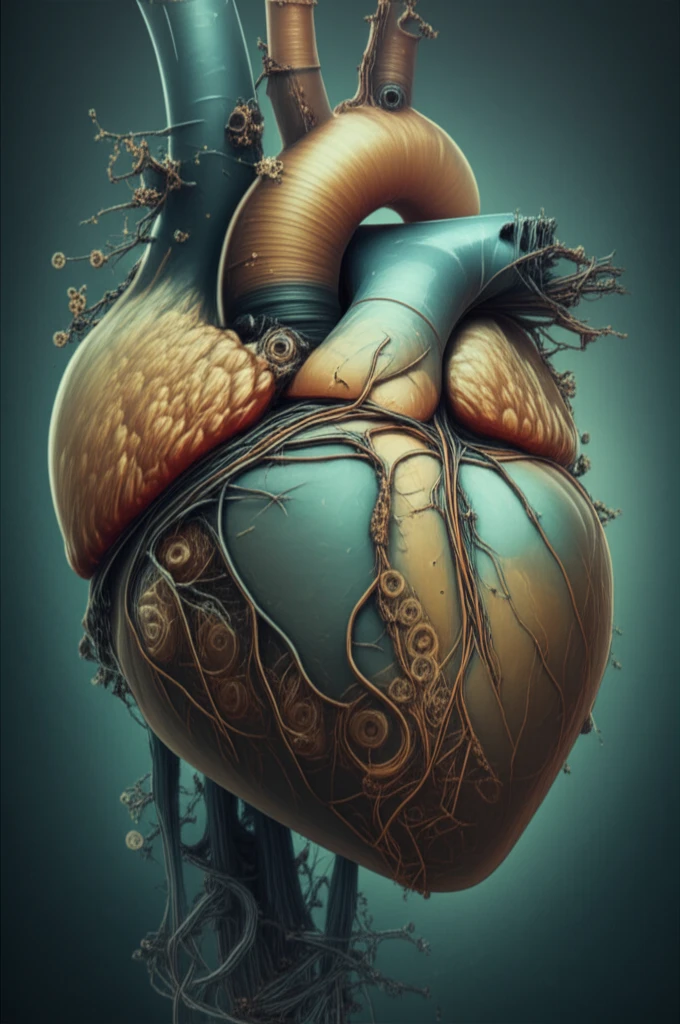
Aortic Root Ectasia: The Unexpected Sign of Mitochondrial Disorders

"Could a heart condition signal a deeper metabolic issue? Discover how aortic root ectasia may be linked to mitochondrial dysfunction."
In the realm of medical mysteries, the connection between seemingly unrelated conditions often holds the key to groundbreaking discoveries. One such revelation involves aortic root ectasia (ARE), a condition characterized by the enlargement of the aorta near the heart. While ARE is commonly associated with cardiovascular issues, emerging research suggests it can also be a phenotypic feature of mitochondrial disorders (MIDs).
Mitochondrial disorders are a group of genetic conditions that affect the mitochondria, the powerhouses of our cells. These disorders can manifest in a variety of ways, impacting multiple organ systems. Arteriopathy, or disease of the arteries, is one such manifestation, presenting as atherosclerosis, stenosis, aneurysm formation, and more. Now, aortic root ectasia is joining the list, offering new insights into the complex interplay between mitochondrial function and vascular health.
This article delves into the intriguing link between aortic root ectasia and mitochondrial disorders, exploring a case study that highlights this connection and discussing the implications for diagnosis and treatment. By understanding this relationship, healthcare professionals can gain a more holistic view of patient health and provide more targeted, effective care.
What is Aortic Root Ectasia and Why Does It Matter?
Aortic root ectasia (ARE) refers to the dilation or enlargement of the aorta at the level of the aortic valve. While the exact definition can vary, it generally involves an aortic diameter of 40-50 mm. ARE is significant because it can increase the risk of aortic dissection (a tear in the aorta's wall) and aneurysm formation, both of which can be life-threatening.
- Arterial hypertension (high blood pressure)
- Marfan syndrome (a genetic disorder affecting connective tissue)
- Osteogenesis imperfecta (brittle bone disease)
- Congenital heart defects
- Atherosclerosis (plaque buildup in the arteries)
The Future of Diagnosis and Treatment
This case highlights the importance of considering mitochondrial disorders in patients presenting with aortic root ectasia, particularly when other symptoms suggest a multisystem condition. Tools like the MIMODS score can aid in identifying potential mitochondrial involvement, prompting further investigation through histological, biochemical, and genetic testing.