
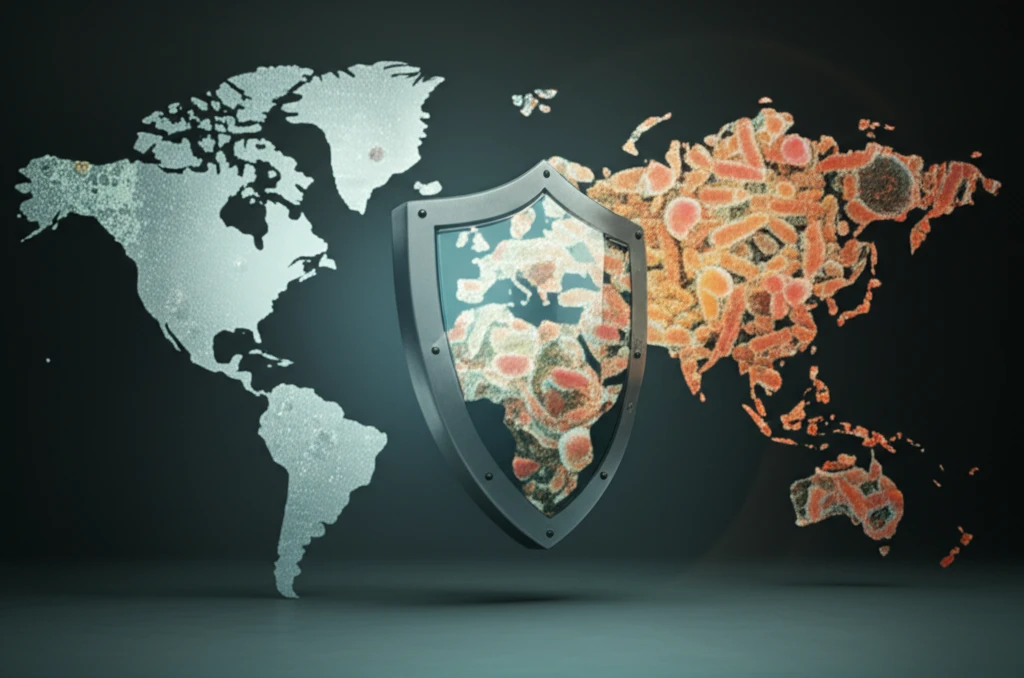
Antibiotic Resistance: How to Protect Yourself and Your Community

"Understanding the growing threat of antibiotic resistance and what steps you can take to help."
Antibiotics are essential for treating bacterial infections, but their overuse has led to a concerning rise in antibiotic resistance. This occurs when bacteria change in ways that reduce or eliminate the effectiveness of antibiotics, allowing infections to persist and potentially cause more harm.
The discovery of antibiotics in the 1940s revolutionized medicine, significantly reducing deaths from infectious diseases. However, the effectiveness of these drugs is now threatened as bacteria adapt and become resistant. It's crucial to understand how this resistance develops and what we can do to slow its spread.
This article will explore the causes and consequences of antibiotic resistance, and, most importantly, outline practical steps you can take to protect yourself, your family, and your community. From understanding appropriate antibiotic use to promoting better hygiene, everyone has a role to play in preserving the effectiveness of these life-saving medications.
Why Antibiotic Resistance is a Growing Problem
Antibiotic resistance is not just a medical issue; it's a public health crisis with far-reaching consequences. When antibiotics fail, common infections can become life-threatening. Treatments become more complex, expensive, and sometimes, impossible.
- Using antibiotics for viral infections like colds or the flu.
- Taking antibiotics when they are not needed.
- Not completing the full course of prescribed antibiotics.
- Sharing antibiotics with others.
Protecting Our Future: Collective Action Against Antibiotic Resistance
Addressing antibiotic resistance requires a multi-faceted approach involving healthcare professionals, policymakers, and the public. By understanding the problem and taking responsible actions, we can collectively slow the spread of resistance and protect the effectiveness of antibiotics for future generations.
Remember, you are not powerless in this fight. Simple steps like practicing good hygiene, using antibiotics responsibly, and advocating for better infection control practices can make a significant difference.
Let's work together to ensure that antibiotics remain a valuable tool in combating bacterial infections for years to come. Your health, and the health of your community, depends on it.