
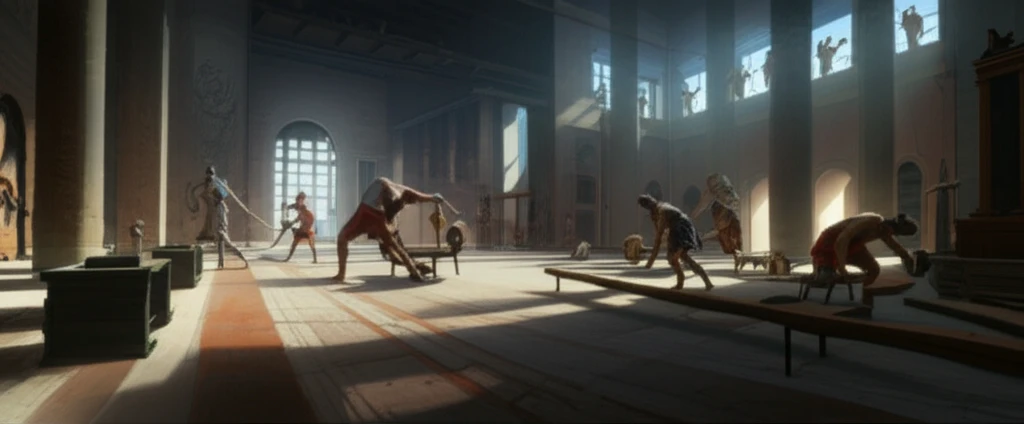
Ancient Greeks exercising in a gymnasium.

Ancient Healing: Rediscovering Physical Therapies of the Past

"Explore the historical roots and surprising effectiveness of bygone physical treatments, from air cures to hydrotherapy."


Modern medicine owes a great debt to the practices of the past. While today's treatments are rooted in scientific research, many approaches have origins stretching back centuries. One such area is physical therapy, which has ancient roots.

Léon Mac-Auliffe (1876-1937) highlighted in his book that medicine is the most ancient of all sciences, man reacted to physical condition. Early therapeutic methods involved harnessing elements like air, water, and movement to promote healing. This exploration delves into some of these fascinating approaches.

From ancient Greece to the 19th century, discover practices once considered essential for health and wellness, and examine how these ideas evolved into the physical therapy we know today.

The Healing Power of Air: Climatotherapy

Ancient Greeks exercising in a gymnasium.

The ancient Greeks understood the profound influence of the environment on health. Hippocrates (460-370 BC) observed how climate, location, and even the quality of water impacted different species. He believed that physicians should consider these environmental factors when treating patients, making him the father of climatology.

This understanding led to the development of climatotherapy, which is the therapeutic use of climate. Mountain air was thought to be beneficial, and those who were sick or ailing were often prescribed altitude cures.

  • Good Air Ancient people believed air quality mattered. Fresh air, away from contaminated areas, was essential to recover.
  • The Role of PerfumesDuring the Middle Ages, people utilized perfumes to clean and purify the air because they thought contaminated air was the cause of sicknesses.
  • Mountain CuresBased on the search for good air, altitude cures from mountain visits became part of treatment practices.
As German doctor Adolphi noted in the 18th century, mountain air was thought to flow easily, remaining dry and cold. These 'air cures' were believed to invigorate and restore health.

A Legacy of Healing

While modern physical therapy relies on evidence-based practices, it's fascinating to see the historical roots of these approaches. From the ancient Greeks to the 19th century, people sought healing through natural elements and movement. The insights and observations of figures like Hippocrates and the practices described by Mac-Auliffe offer a glimpse into the enduring quest for health and well-being.

About this Article -

This article was crafted using a human-AI hybrid and collaborative approach. AI assisted our team with initial drafting, research insights, identifying key questions, and image generation. Our human editors guided topic selection, defined the angle, structured the content, ensured factual accuracy and relevance, refined the tone, and conducted thorough editing to deliver helpful, high-quality information.See our About page for more information.

Everything You Need To Know

1

What is climatotherapy and how did the ancient Greeks use it?

Climatotherapy is the therapeutic use of climate, a practice rooted in the ancient Greek understanding of environmental influence on health. Hippocrates, considered the father of climatology, observed that climate, location, and water quality affected health. This led to prescribing treatments based on specific climates, such as mountain air, which was believed to invigorate and restore health. The ancient Greeks would have employed climatotherapy by sending individuals to locations with the preferred climate. This approach demonstrates their early recognition of the environment's role in healing, anticipating modern environmental medicine.

2

How did the concept of 'good air' influence ancient healing practices, and what role did perfumes play?

The concept of 'good air' was central to ancient healing, reflecting the belief that the quality of air directly impacted health. Ancient people believed that fresh air, free from contamination, was essential for recovery. During the Middle Ages, this belief manifested in the use of perfumes to purify the air. This was based on the understanding that contaminated air was a source of sickness. Therefore, the use of perfumes and seeking locations with fresher air, such as mountainous regions, were practical applications of this belief, highlighting the early attempts to manage environmental factors to promote health and well-being.

3

Who was Léon Mac-Auliffe, and what did he contribute to understanding the history of physical therapy?

Léon Mac-Auliffe, a figure from 1876-1937, significantly contributed to the understanding of physical therapy's history. Mac-Auliffe highlighted that medicine, including its physical therapeutic aspects, is one of the most ancient sciences. His work emphasized that humans have always reacted to their physical conditions, utilizing various methods like air cures and hydrotherapy. Mac-Auliffe's insights provide a historical context, illustrating the enduring human quest for health through practices that predate modern scientific understanding.

4

Can you describe the evolution of physical therapy from ancient times to the 19th century, mentioning specific techniques?

Physical therapy's evolution can be traced from ancient practices, like those in ancient Greece, to the 19th century, encompassing several techniques. Early methods involved harnessing natural elements such as air and water. Climatotherapy, developed by the Greeks, utilized specific climates like mountain air to promote healing. Gymnastics was employed for movement and exercise. Hydrotherapy, though not explicitly discussed in the text, would have been used. These methods evolved as part of the broader quest for health and well-being, integrating understandings of the environment and the human body.

5

How do the historical practices of climatotherapy and the use of 'air cures' relate to modern physical therapy?

The historical practices of climatotherapy and 'air cures' connect to modern physical therapy by demonstrating the ancient roots of therapeutic approaches. While modern physical therapy relies on evidence-based practices, these historical examples show that the recognition of environmental factors and their impact on health is not new. The concept of using the climate, specifically clean and invigorating air, to aid in healing and improve well-being forms a historical link. They provide insight into the evolution of treatments and the enduring human quest for health, which continues to inform and shape contemporary physical therapy.

Newsletter Subscribe

Subscribe to get the latest articles and insights directly in your inbox.