
Amitifadine: The Promising New Antidepressant You Need to Know About

"Understanding Amitifadine: How a Novel Treatment Could Revolutionize Depression Management"
Depression, a pervasive mental health challenge, impacts millions worldwide, significantly affecting their quality of life. While current antidepressant medications provide relief for some, many individuals still struggle with limited efficacy, adverse side effects, and slow onset of action. This has spurred ongoing research into more effective and better-tolerated treatments.
Among the latest developments is amitifadine (EB-1010), a novel triple reuptake inhibitor (TRI) currently being investigated for major depressive disorder (MDD). This innovative approach targets multiple neurotransmitter systems in the brain, aiming to enhance mood regulation and address some of the limitations of existing treatments.
This article provides an in-depth look at amitifadine, examining its unique pharmacological properties, the science behind its potential benefits, and how it could transform the landscape of depression treatment. By understanding its mechanism, we can better appreciate the potential impact of this innovative medication.
What Makes Amitifadine Different: A Deep Dive into Its Mechanism of Action
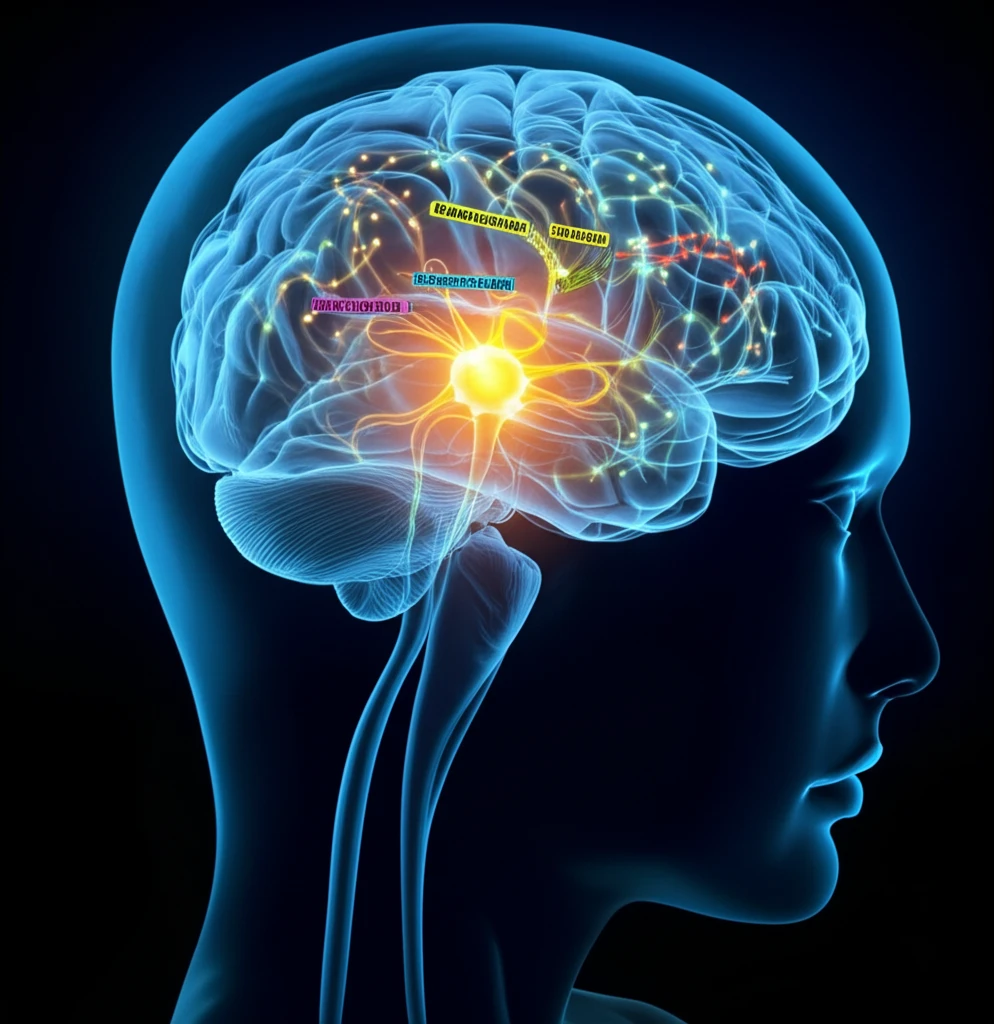
Amitifadine distinguishes itself through its unique mechanism of action as a triple reuptake inhibitor. This means it affects the activity of three key neurotransmitters in the brain: serotonin, norepinephrine, and dopamine. Unlike selective serotonin reuptake inhibitors (SSRIs) that primarily target serotonin, or serotonin-norepinephrine reuptake inhibitors (SNRIs) that target both serotonin and norepinephrine, amitifadine also influences dopamine levels.
- Serotonin: Key in mood stabilization and emotional well-being.
- Norepinephrine: Impacts energy levels, focus, and alertness.
- Dopamine: Linked to reward, motivation, and feelings of pleasure.
Looking Ahead: The Future of Amitifadine and Depression Treatment
Amitifadine represents a significant step in depression treatment, demonstrating the potential for a more effective, well-tolerated approach to mental health care. As research continues and clinical trials progress, it could provide hope and improved quality of life for individuals struggling with depression. The innovative mechanism and positive early findings make amitifadine an exciting development in the field of psychiatry, promising to reshape how we understand and treat this widespread and debilitating condition.