
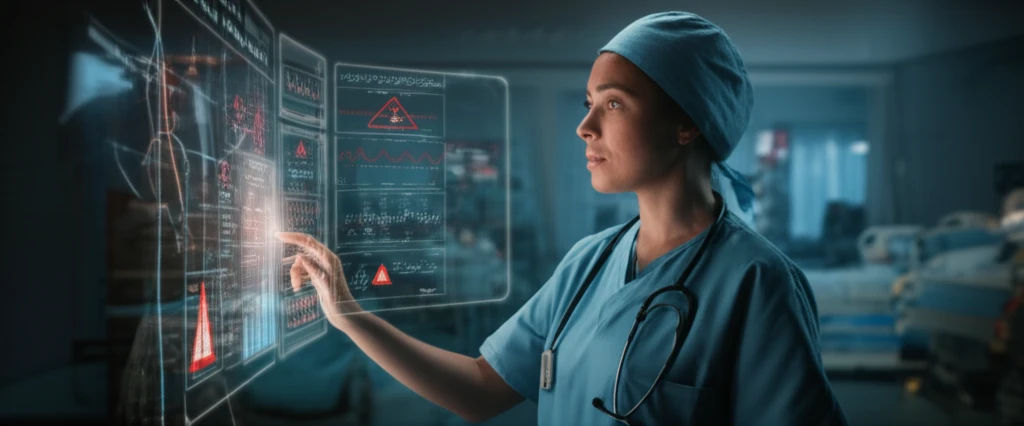
Alarm Fatigue No More: How Smart Tech is Saving Nurses and Improving Patient Care

"Discover how physiologic monitor alarm customization software is revolutionizing medical intensive care, reducing alarm overload, and enhancing nurses' experience."
In the high-stakes environment of intensive care units (ICUs), clinicians often find themselves overwhelmed by a relentless barrage of alarms emanating from physiologic monitors. This phenomenon, known as alarm fatigue, arises from the sheer volume of false and non-actionable alerts, desensitizing medical staff and potentially compromising patient safety.
Alarm fatigue not only impacts the well-being of healthcare providers, leading to burnout and reduced job satisfaction, but also poses a significant risk to patients. When alarms are ignored, silenced, or deactivated due to alarm fatigue, critical changes in a patient's condition may go unnoticed, delaying necessary interventions and potentially leading to adverse outcomes.
Recognizing the urgent need for effective solutions, researchers have explored various strategies to mitigate alarm fatigue and improve the clinical environment. One promising approach involves the use of physiologic monitor alarm customization software, which allows for tailoring alarm settings to individual patients' specific needs.
Cutting Through the Noise: How Alarm Customization Software Works
Physiologic monitor alarm customization software, such as the IntelliVue® Alarm Advisor, empowers nurses to proactively manage alarms by providing real-time insights into alarm trends and patterns. By analyzing the frequency, type, and duration of alarms triggered by individual patients, the software helps nurses identify non-actionable alarms and adjust alarm settings accordingly.
- Real-time alarm analytics: Analyzing alarm data to identify trends and patterns.
- Customizable alarm settings: Tailoring alarm parameters to individual patient needs.
- Visual notifications: Providing timely alerts when repeated alarms are triggered and silenced.
- Integration with existing monitoring systems: Seamlessly integrating with existing hospital infrastructure.
The Future of Alarm Management: A Call for Innovation and Collaboration
The study underscores the importance of continued innovation in alarm management technology. By embracing smart alarm algorithms, interactive software, and personalized alarm settings, healthcare providers can create a safer, more efficient, and less stressful clinical environment. Further research is needed to explore the long-term impact of alarm customization software on patient outcomes, nurse satisfaction, and healthcare costs. Collaboration between technology developers, healthcare professionals, and regulatory agencies is essential to ensure that alarm management solutions are evidence-based, user-friendly, and aligned with the needs of patients and clinicians.