
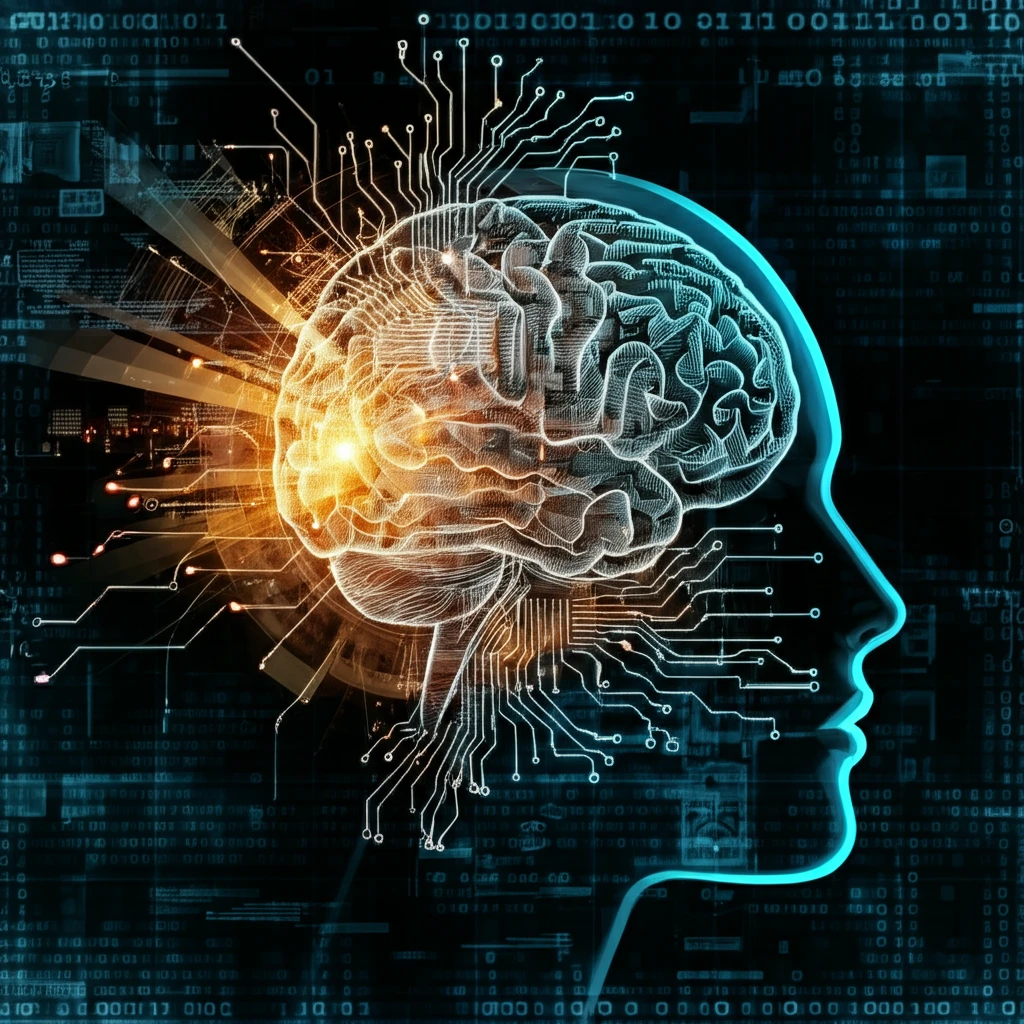
AI Decision-Making: Are We Losing the Human Touch?

"Explore how algorithmic decision support is transforming industries, raising critical questions about bias, human oversight, and the future of work."
Artificial intelligence (AI) is rapidly evolving, moving from the realm of science fiction into everyday reality. We see its influence everywhere, from personalized recommendations on streaming services to sophisticated diagnostic tools in hospitals. One of the most significant, yet often unseen, applications of AI is in decision-making processes. Algorithmic Decision Support (ADS) systems, powered by machine learning, are increasingly being used across various sectors, promising to enhance efficiency and objectivity. However, as we delegate more decisions to algorithms, it's crucial to examine the implications for human involvement and the values we uphold.
The allure of AI in decision-making is understandable. Algorithms can process vast amounts of data quickly, identify patterns humans might miss, and theoretically eliminate biases that plague human judgment. In fields like finance and medicine, ADS systems are already assisting in tasks ranging from investment strategies to early disease detection. Yet, the rise of AI decision-making isn't without its challenges. Concerns about transparency, fairness, and accountability are growing, sparking a vital debate about the appropriate role of AI in our lives.
This article delves into the complexities of algorithmic decision support, exploring its benefits while also shedding light on its potential pitfalls. We'll examine how ADS systems are developed and implemented, the hidden human element that remains crucial, and the ethical considerations we must address to ensure AI serves humanity's best interests. Understanding these dynamics is essential for anyone seeking to navigate the increasingly AI-driven world, from business leaders to everyday consumers.
Why Are Algorithmic Decisions Booming?
The adoption of AI-driven decision-making is fueled by several compelling factors, primarily the promise of enhanced efficiency and accuracy. Algorithms can sift through massive datasets far faster than any human, identifying trends and insights that would otherwise remain hidden. This capability is particularly valuable in industries dealing with complex, data-rich environments.
- Efficiency Gains: Automating repetitive decisions frees up human employees for more strategic tasks.
- Data-Driven Insights: Algorithms reveal patterns and correlations that inform better decision-making.
- Bias Reduction: Objectivity minimizes the impact of human prejudices.
- Consistency: Standardized processes ensure predictable and reliable results.
Shaping the Future of AI Decision Support
The path forward requires a multi-faceted approach, prioritizing transparency, accountability, and ongoing evaluation. We need to develop frameworks for auditing algorithms, identifying and mitigating biases, and ensuring human oversight in critical decision-making processes. As AI continues to evolve, fostering collaboration between technologists, ethicists, and policymakers will be essential to harness its power for good, while safeguarding against unintended consequences. The goal is not to eliminate the human element but to augment it, creating systems that are both efficient and ethical.