
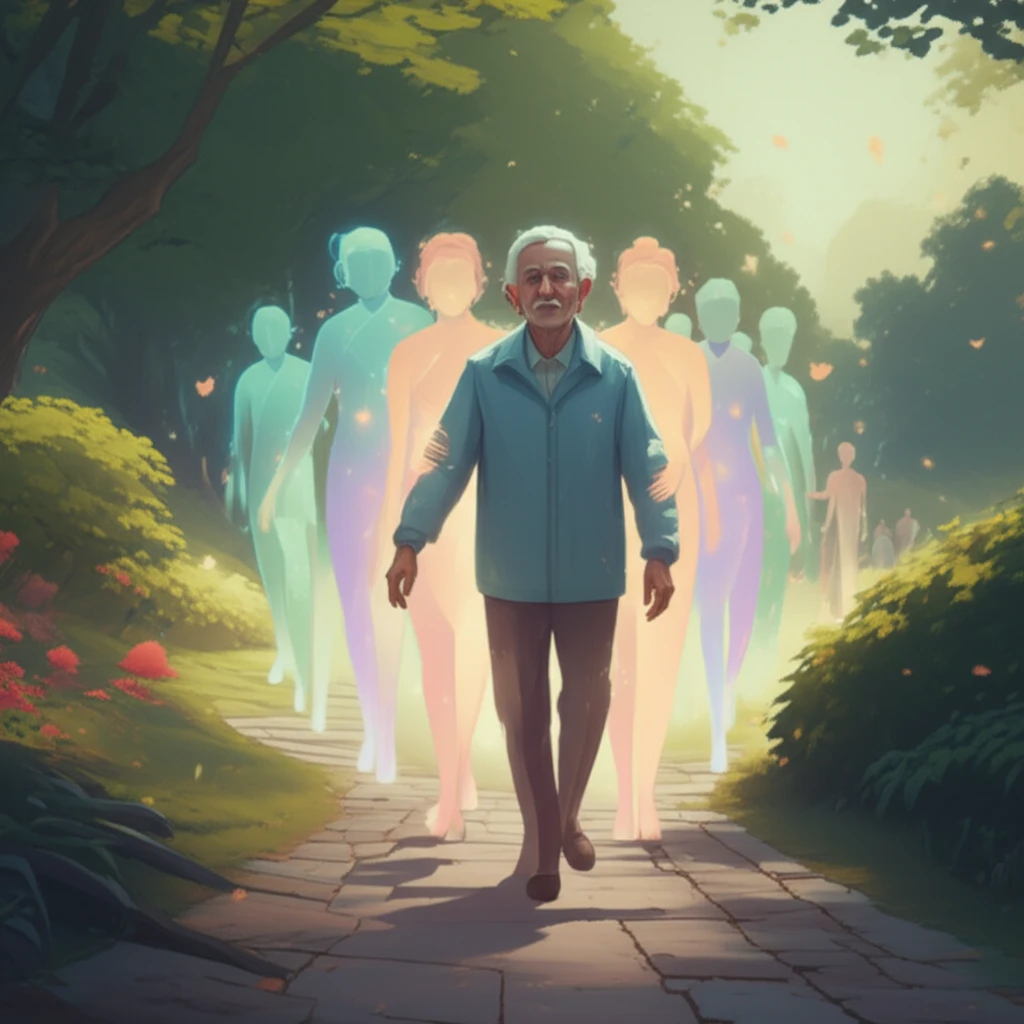
Aging Gracefully: Understanding Pain, Activity, and Well-being in Older Adults

"Discover how physical activity and pain management intersect to promote a healthier, more active life for seniors."
Growing older is a natural and inevitable part of life, marked by various phases each with its own challenges and responsibilities. As we age, our bodies and minds undergo significant changes that require adaptation and care. The global increase in the aging population highlights the importance of understanding and addressing the unique needs of older adults to ensure they live longer and healthier lives.
Across Asia, the population of individuals aged 65 and over is projected to increase dramatically, emphasizing the need for a new "culture of longevity" that prioritizes quality of life. This involves not only extending life expectancy but also enhancing well-being through improved health and active lifestyles. In Malaysia, a significant portion of the population will be over 60 by 2020, underscoring the urgency of preparing for the needs of this demographic.
Understanding the factors that influence the health and activity levels of older adults is crucial. Chronological, social, and physical aspects all play a role, influenced by various factors such as gender and lifestyle. As people age, they may experience physical limitations and mental deficits, making it essential to identify strategies that promote well-being and maintain independence.
The Link Between Physical Activity and Pain in Seniors: What You Need to Know
A study involving 564 participants in Sabah, Malaysia, examined the relationship between physical activity, pain, and socio-demographic factors among older adults. The participants, aged 40 to 88, underwent assessments to determine their levels of pain and physical activity habits. The study aimed to understand how these factors interact and influence the overall well-being of older individuals.
- Prevalence of Pain: A significant 80.9% of participants reported experiencing moderate pain, with the cervical area and knees being the most commonly affected areas.
- Physical Activity Levels: Approximately 73.2% of the participants engaged in regular physical activity, with no significant differences observed between genders. However, variations were noted based on age and occupation.
- Common Activities: Walking was the most popular form of physical activity (88.64%), followed by keep-fit exercises (25.65%).
- Correlation Analysis: The study found no direct correlation between physical activity levels and the degree of pain experienced by participants.
Practical Steps for Enhancing Well-being in Older Adults
The study's conclusions emphasize the importance of creating tailored exercise and health programs that consider the individual needs of older adults. These programs should be multidisciplinary, incorporating various strategies to address both physical and psychosocial well-being. Promoting the construction of modern sporting facilities in rural areas can also provide better opportunities for physical activity and social engagement.